Remembering the Tulsa massacre and celebrating Miami’s own growing Black Wall Street | Opinion
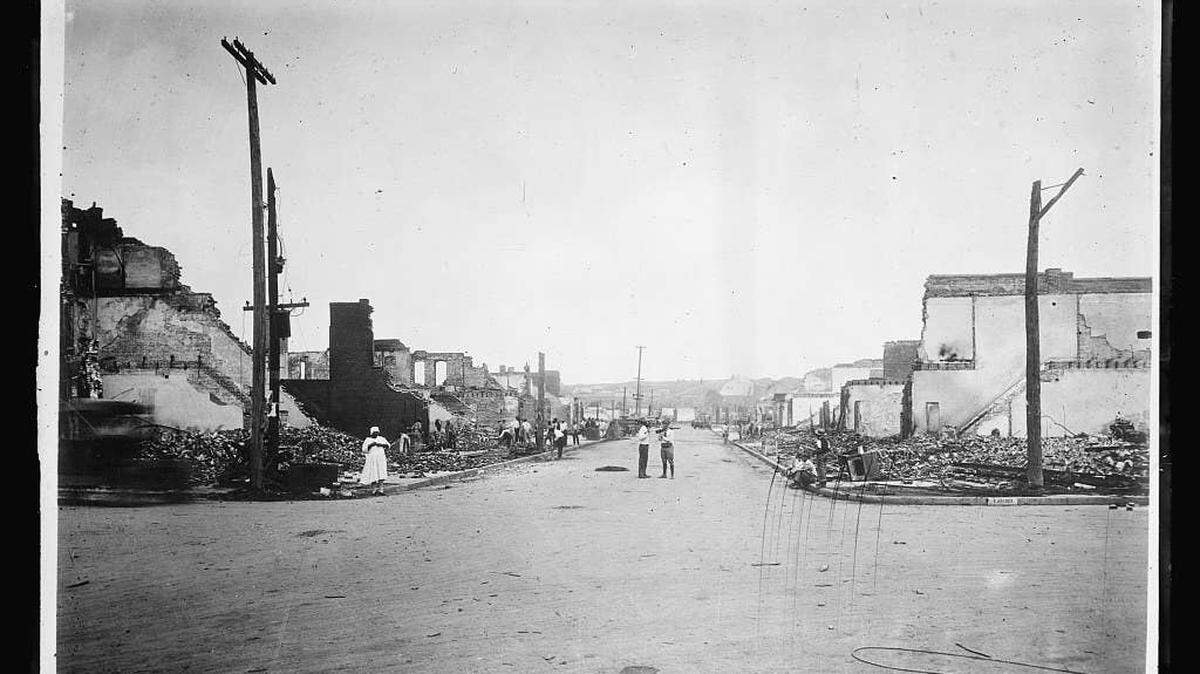
On May 31, 1921, in just 16 hours, mobs burned Black-owned businesses and homes, and murdered hundreds of Black citizens in the Greenwood neighborhood of Tulsa, Oklahoma, known today as Black Wall Street.
On this 100th anniversary of the Tulsa race massacre, we’re now experiencing the hope of recovery with new Black Wall Streets across America including Overtown, Liberty City and Miami Gardens.
Black Wall Street was a thriving community in Greenwood in the early 1900s, with bustling Black-owned businesses, theaters, schools, social health and a strong distribution of wealth among its middle and upper classes. Reports estimate the community had more than 10,000 African-American residents, and most of them were thriving.
Black Wall Street was the epitome of a self-sustaining community and strength. Black people supported each other, which allowed for easier access to resources, savings, housing, jobs, education and healthcare.
Black Wall Street was just one of many thriving Black communities in the United States, but it also became a site that would serve as an example of the violence and hatred that grew out of white supremacy.
The thought of “second-class citizens” receiving better economic opportunities than their white neighbors infuriated white Oklahoma residents. They retaliated against the Black community, spreading hatred and accusing them of crimes. An accusation of sexual assault inspired a lynch mob, which included nearly 2,000 Ku Klux Klan members who wanted to get “justice.”
The massacre at Black Wall Street was one of the largest massacres of Black citizens in America. By today’s estimates, the dreadful and murderous 16 hours caused more than $30 million in damages.
But we can rebuild a new Black Wall Street now by working together. It is important not to forget the pride and opportunity that Black Wall Street awarded African Americans.
We worked hard, built a strong community and supported each other. Circulating Black dollars within our community and doing business with Black-owned businesses is critical for our community’s financial and economic strength.
We are seeing that today. According to MarketPlace, Black communities across America saw growth in start-ups during the pandemic, largely fueled by the CARES Act.
According to Andre Perry, a senior fellow at the Brookings Institute, that speaks to a larger lesson about access to capital. “If you really want to see the economy grow, figure out ways to invest in the underappreciated assets in our community,” he said.
This is why OneUnited Bank supports the #BuyBlack and #BankBlack Movement today. Black businesses give citizens more opportunities than they would have anywhere else, and it puts our hard-earned dollars back where they belong — in the Black community — so we can build the “new Black Wall Street.”
Whether it’s OneUnited Bank in Liberty City, which stayed open throughout the pandemic, doubled our customers and our staff and renovated our building using Black-owned contractors, or Red Rooster restaurant in Overtown, that bravely opened in December 2020, before vaccines were available, hired returning citizens and is currently experiencing a booming business, or First Prevention and Dialysis Center located in Miami Gardens, that provides state of the art, life-saving dialysis services that were critical during the pandemic, Black-owned businesses contribute jobs and investments and provide vital services to the Miami-Dade community.
To continue to legacy of Black Wall Street we can participate by supporting Black businesses in Miami-Dade. Seek them out, support them, be a part of the economic revival happening in the Black business community. From Little Haiti to North Miami, Overtown to Miami Gardens and everywhere in between, local Black businesses abound in a variety of industries providing everyday goods and services.
While we must remember the tragedy of Greenwood so that it will never happen again, let’s also celebrate the new Black Wall Streets that’s happening today all over the country, including in Miami-Dade.
Teri Williams is president and chief operating officer of OneUnited Bank.
This story was originally published May 31, 2021 at 12:56 PM.