A do-over for Florida students who fell behind in the pandemic? | Editorial
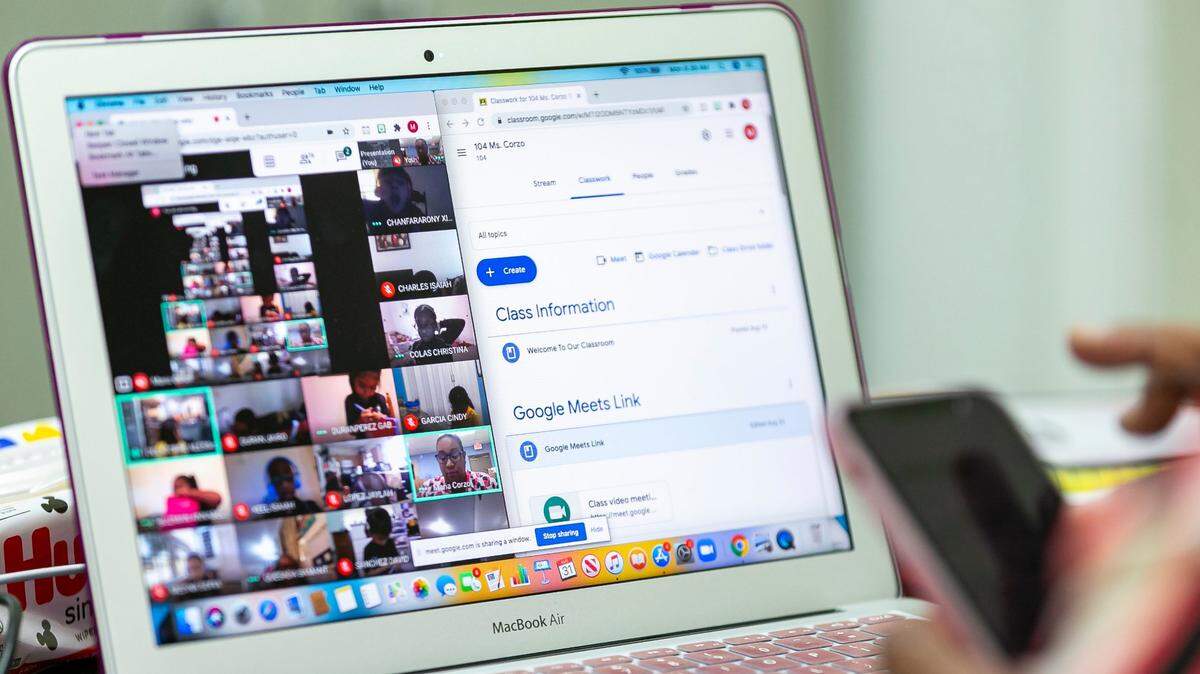
The 2020-21 school year has been a lost academic year for many students.
What if they could hit the reset button and get a do-over?
That’s the premise of Senate Bill 200 under consideration by Florida lawmakers as they head into the legislative session that begins next month. It would allow parents of K-8 students to tell school districts that their children should repeat a grade during the 2021-22 school year. (The children wouldn’t be allowed to do so in subsequent years.) Districts would have to grant those requests if the parents submit them by June 30.
The bill provides an unorthodox approach to the learning losses caused by the COVID-19 pandemic — the full extent of which we have yet to see.
The proposal deserves to be explored. It’s all about parental choice in a year when many moms and dads have become de facto teachers for students learning from home. But in its current version, the bill is full of unintended consequences.
And SB 200 raises a question: Who knows a student best — parent or teacher? Who should decide they must be held back?
There’s no easy answer to that question but leaving teachers and principals out of the equation would be detrimental to the children involved. A parent should be able to make the request — but not make that decision unilaterally. The role of schools is to intervene early if a student is failing and not let that be derailed by a parent.
“There ought to be some guardrails,” Miami-Dade County Public Schools Superintendent Alberto Carvalho said.
School input is crucial so educators help decide what to do with a student who has fallen behind. For example, if a seventh-grader does well in math but is failing history and English, should they be forced to retake all three classes?
Bill sponsor Sen. Lori Berman, D-Boynton Beach, wants parents to understand the seriousness of that decision, so her proposal would prohibit mid-year promotions to a higher grade if the student shows improvement. That’s good for accountability but creates a new issue, as Carvalho pointed out: What happens to retained students who are progressing?
Berman says she’s open to changes. The measure cleared one committee stop with bipartisan support early this month.
Berman has already tweaked SB 200. She removed high schoolers from the bill out of concern it would impact sports eligibility. She also was concerned some parents who feel the pandemic has robbed their children of a traditional high school experience might consider holding them back for a year so they could attend prom or another landmark event.
Those sorts of parental actions aren’t uncommon when it comes to sports. Some parents ask to have their children repeat a grade so they can “mature” physically to play sports later, said Bill Montford, CEO of the Florida Association of District School Superintendents. That’s a concern Montford, a former state senator, still has, if SB 200 passes. We agree.
There are issues to iron out, but Berman is on to something. She thinks online learners would benefit most and research shows she’s probably right. A survey by Education Next found that 60% of parents said their child is learning less due to the pandemic. The survey also found white students were more likely to be learning in person than Black and Latino ones.
Fixing Florida’s learning gap after the pandemic will take years and more than just one bill. In the meantime, there’s nothing wrong with giving parents more control — as long as it’s done right. If the Legislature is going to pass this legislation, it must listen to what educators have to say first.
This story was originally published February 12, 2021 at 6:00 AM.