
“Community immunity” is our best protection from a measles outbreak | Opinion
I’ve heard parents talk about what they would do to save their child’s life: There is no limit. It is time to ask, what would you do to save the life of someone else’s child?
What would you do to save someone else’s mother with an immunodeficiency? Someone’s beloved grandfather fighting cancer? The unborn child of your child’s teacher or caretaker? Would you vaccinate your child for her own health and the health of our community?
Community immunity is the best protection we have against many diseases. Some vaccine-preventable infections, such as measles, can be fatal.
Measles starts like a common cold, with runny nose, cough, red eyes and fever. Often there is a characteristic rash. But measles is not always mild; it can cause pneumonia and encephalitis (a brain infection), both of which can be permanently disabling or even deadly.
As with other viruses, an infected person is contagious with measles before he knows he is sick, allowing the virus to spread among the rest of us.
Measles is one of the most contagious viruses around. Circulating in the air because of a cough or a sneeze, it can stay on surfaces for a couple of hours – long enough for two or three classrooms of children to pass the virus as small hands touch desks, chairs, books and keyboards.
The most at risk are the young, who have not yet been fully vaccinated, those with altered immune systems (due to cancer, other diseases or medications), and pregnant women who risk miscarriage.
In less than four months, the U.S. has experienced more than 760 cases of measles this year, a higher number than any 12-month period in more than a decade. Two cases are in Florida; one in Broward and the other in Pinellas County. The reason is simple: Increasing numbers of parents are not vaccinating their children. That puts their children at risk, and it puts the rest of us at risk, too.
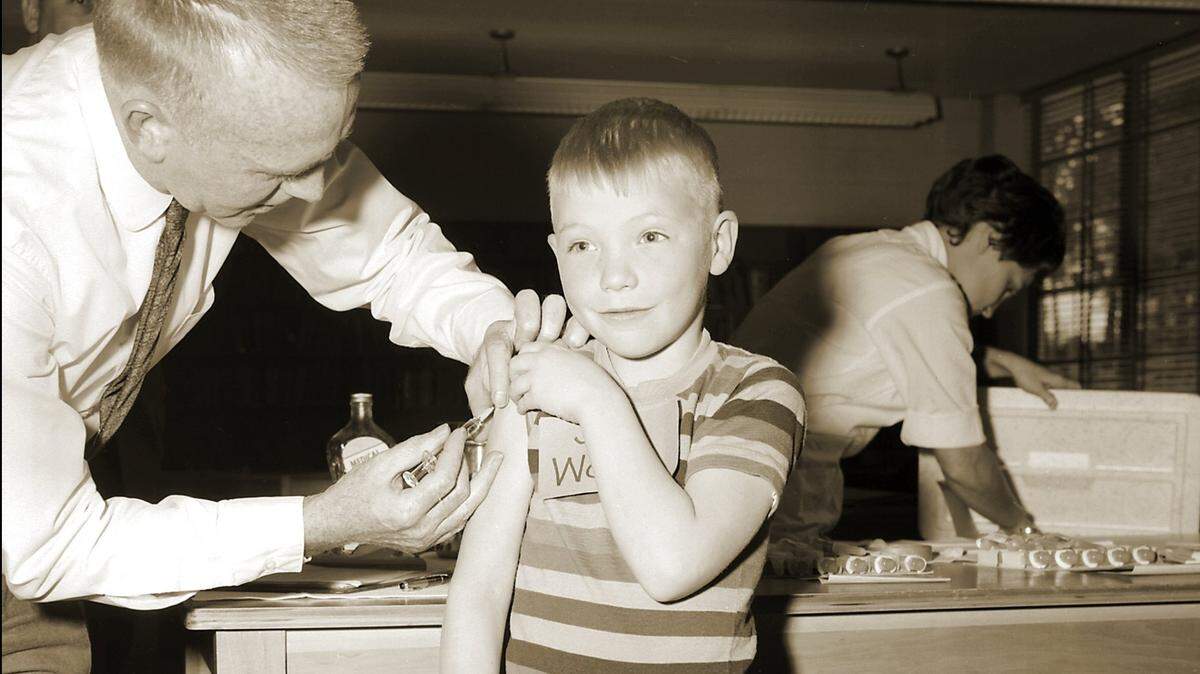
Like other recommended vaccines, measles inoculation is easy to get. Two vaccinations are standard, one at 12 to 15 months of age and the second at 4 to 6 years. Measles vaccination is safe. Everything we do or don’t do in medicine has risks, but in the case of the MMR (measles, mumps and rubella) vaccine, the risk is quite small. Most people report no side effects. Those who do tend to mention pain and swelling at the site, and sometimes a mild fever. No vaccines cause autism — that has been summarily discredited by many large and sound studies.
The benefits of the vaccine far outweigh the risks. Community immunity means that we all participate in blocking the contagion of a disease. The more of us who are vaccinated, the less a disease can spread.
If a person infected with measles coughs on a pencil I pick up, and if I am immune because I was vaccinated, the virus will not infect me.
When I go home in the evening to hug my family, I will not spread the disease to them, either. Immunity due to vaccination blocks the transmission of the disease.
Community immunity also means we protect each other, because while the vaccine is highly effective, nothing is perfect.
The MMR vaccine provides immunity a little more than 95 percent of the time when people get two doses. So, 4 to 5 percent of the people vaccinated rely on the rest of us to protect them. So do babies, people with cancer, and some of us who are a bit older — before 1989 only one MMR vaccine was given, which may reduce immunity.
Measles outbreaks have been reported this year in New York, New Jersey, Michigan, California, Georgia and Maryland, places where we have relatives and friends, places people come from to visit South Florida.
Let’s take care of ourselves and each other. Let’s practice community immunity. Please, see your doctor, your child’s doctor or the health department to be sure your family’s vaccines are up to date. – don’t hesitate!
Judy Schaechter is professor and chair of pediatrics at the University of Miami Miller School of Medicine and the University of Miami Health System.