
How South Florida got lucky this hurricane season. Here are 5 takeaways
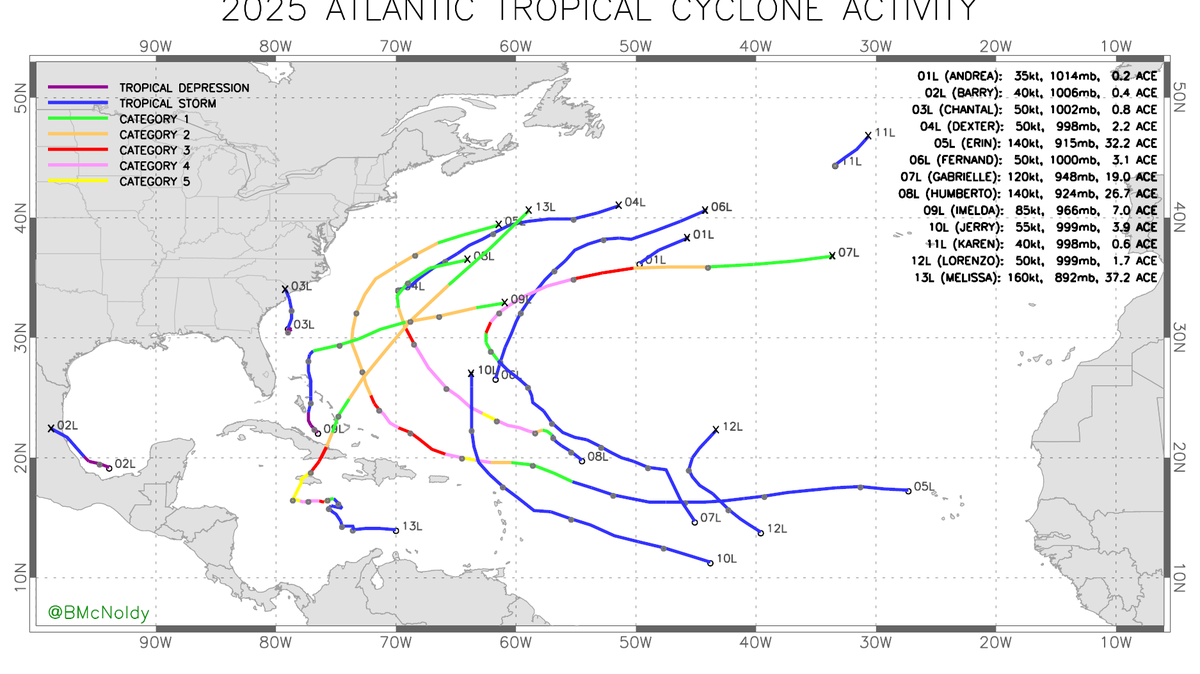
For the first time in a decade, no state in the U.S.—including usually hard-hit Florida—was directly struck by a hurricane this season, which officially ends on Sunday. Experts say a rare weather pattern, some meteorological quirks, and a bit of luck kept the storms away.
FULL STORY: hurricane season is a wrap. What kept storms away from Florida and the U.S.?
Here are the highlights:
- An unusual weather pattern, including a big area of low-pressure air, pushed storms away from the U.S. and toward Bermuda instead of the mainland.
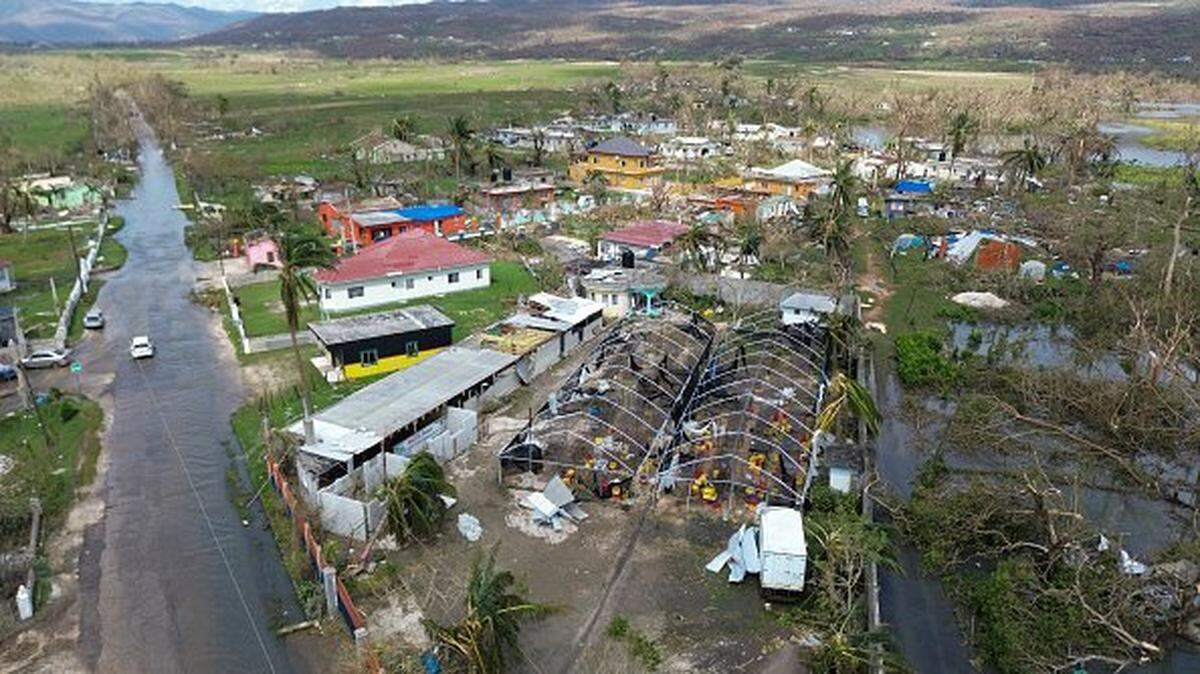
- While the U.S. was spared, the Caribbean wasn’t as lucky—Hurricane Melissa hit Jamaica and Haiti hard, causing around 100 deaths and breaking records.
- A rare “Fujiwhara effect” happened when two hurricanes interacted, which helped steer one storm away before it could hit the U.S. coast.
- Warmer-than-normal ocean waters led to several storms rapidly intensifying, making them stronger and harder to predict, with climate change playing a clear role.
- Even though forecasts were tricky this year, meteorologists were mostly accurate in their predictions and say this season shows hurricane forecasting is improving.
The summary points above were compiled with the help of AI tools and edited by journalists in the Miami Herald newsroom. The full story in the link at top was reported, written and edited entirely by Miami Herald journalists.