
U.S. ready to send humanitarian aid to Cuba after Hurricane Melissa devastation
The United States stands prepared to provide immediate humanitarian assistance to Cuba following the catastrophic impact of Hurricane Melissa, Secretary of State Marco Rubio said Thursday.
“We are prepared to offer immediate humanitarian aid to the people of Cuba affected by the Hurricane,” Rubio stated in a post on X. The State Department has issued a humanitarian assistance declaration for Cuba, similar to measures taken for other Caribbean nations battered by the storm.
“In light of Hurricane Melissa’s devastation of eastern Cuba, the Trump Administration stands in solidarity with the resilient Cuban people as they strive to fulfill their basic needs,” Rubio added in his statement.
Shortly after the statement, Cuban officials signaled they were considering the offer, a surprising gesture that breaks Cuba’s tradition of flatly rejecting disaster aid from the U.S. government.
“Following today’s public communications regarding hurricane damage, we have been in contact with the State Department and are awaiting clarification on how and in what way they are prepared to assist,” said Carlos Fernández de Cossío, Cuba’s vice foreign affairs minister.
The response of Cuban authorities came amid heightened tensions between the two governments. Just Wednesday, Cuban and U.S. officials clashed at the United Nations over the U.S. embargo, exchanging accusations about which government is responsible for the island’s severe economic crisis. At the U.N., Cuba’s foreign minister, Bruno Rodriguez, accused the United States of being behind a “destabilizing plan” against his government.
But speaking at the U.N., Rodríguez also said the island is dealing with the hurricane aftermath “with virtually no resources.”
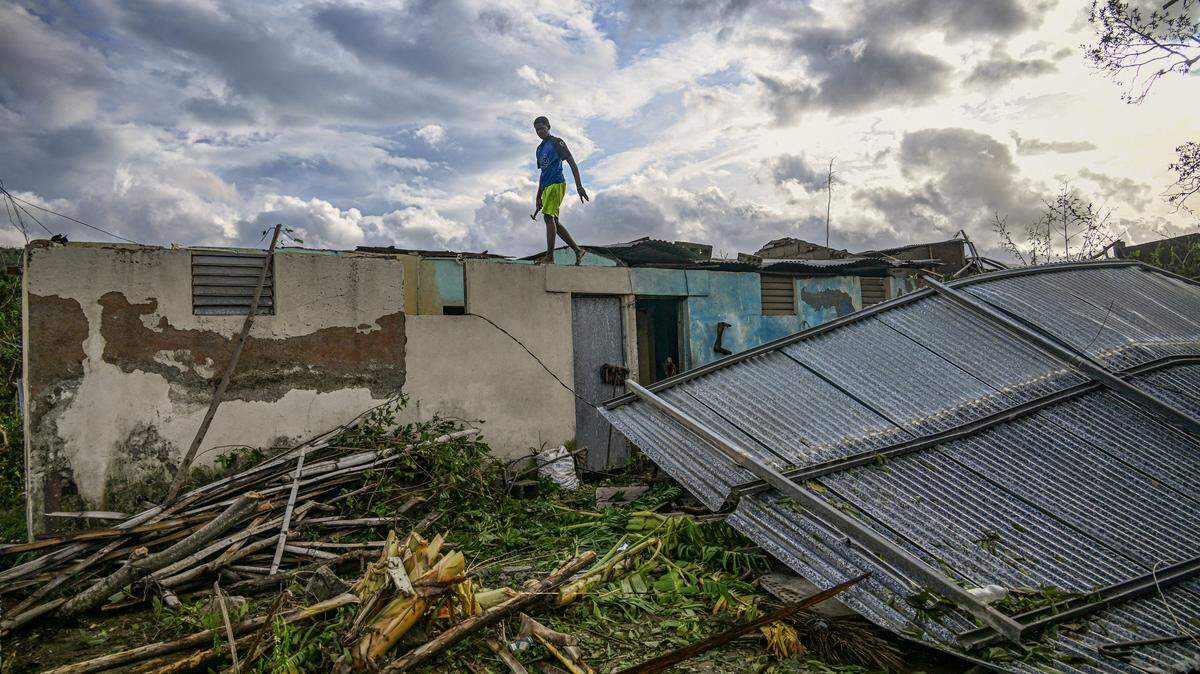
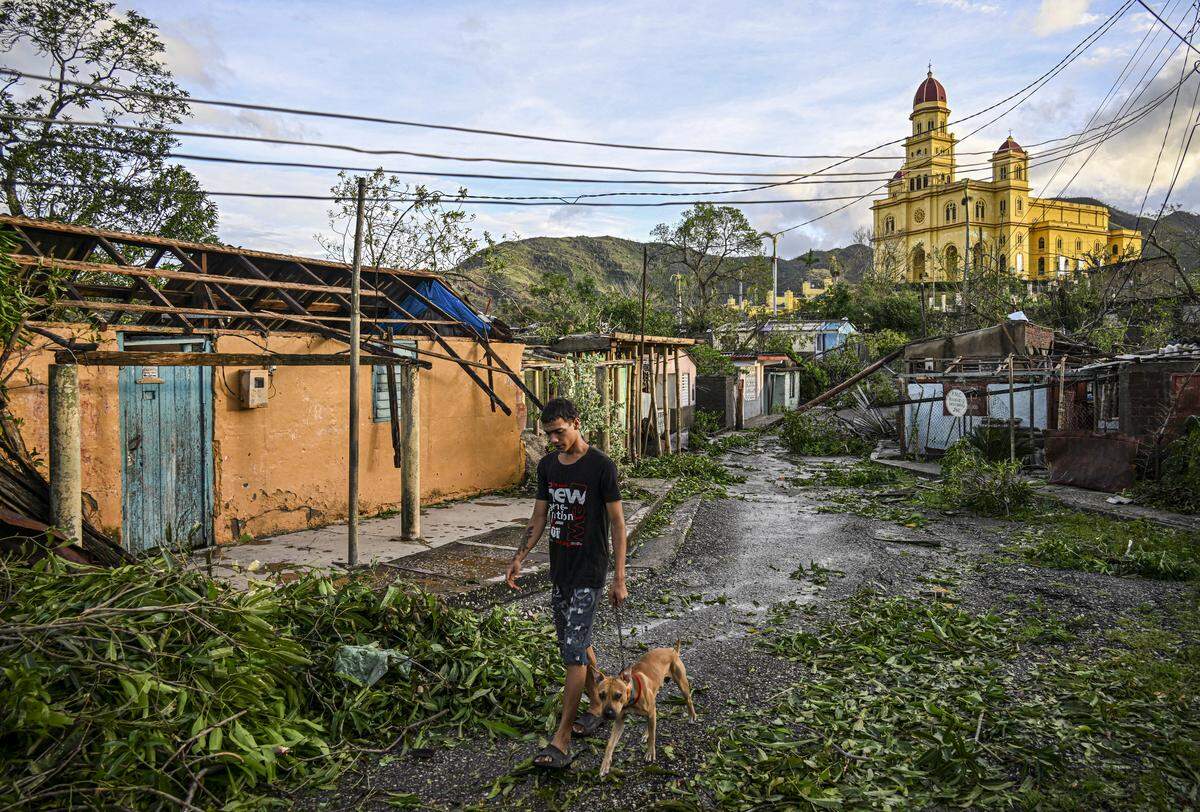
A day after Hurricane Melissa, one of the most powerful Atlantic storms in recorded history, battered eastern Cuba, there is a clearer picture of the devastation it left in an impoverished country where the population was already battling blackouts, food and medicine shortages and the breakdown of public services.
“Melissa is now classified as one of the three most powerful hurricanes ever recorded in Cuba, the strongest worldwide in 2025 so far, and it made landfall directly in the province of Santiago de Cuba,” Francisco Pichon, the United Nations resident coordinator for Cuba, told journalists on Thursday. “For six hours, it battered eastern Cuba with very heavy torrential rains and sustained winds.”
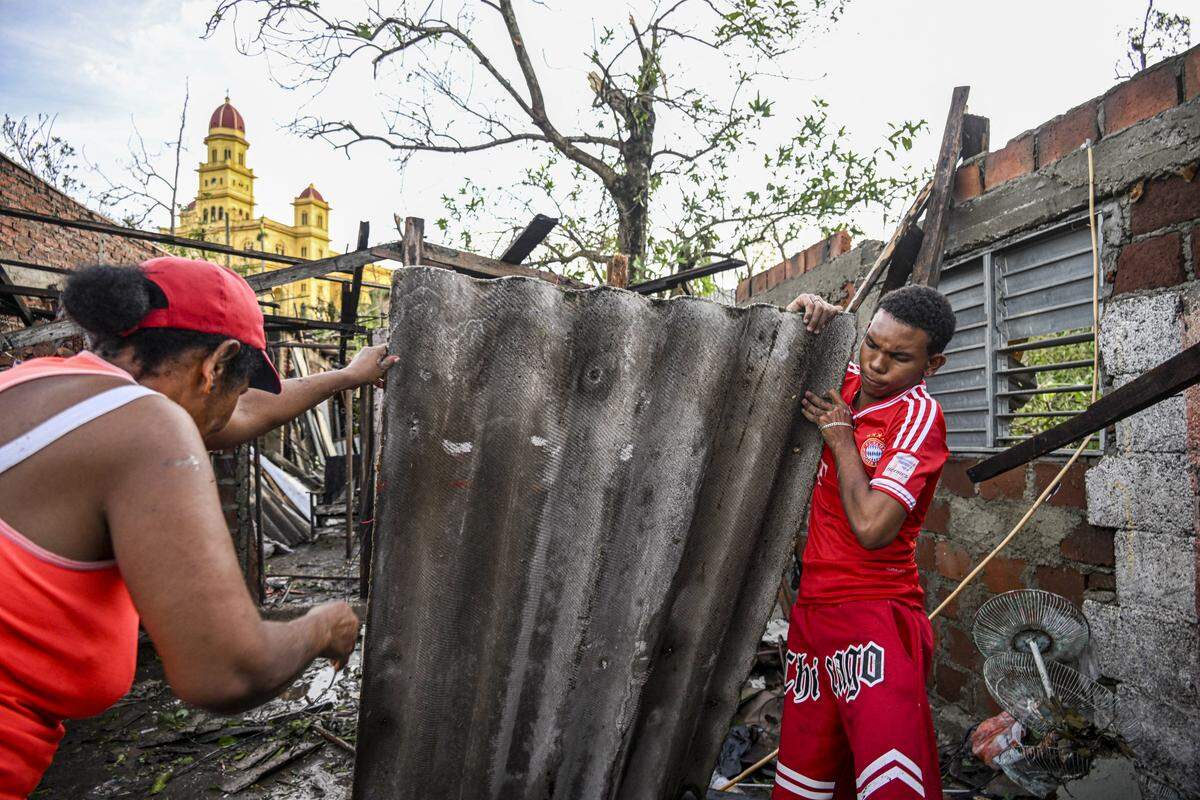
Pichon said the storm left “a lot of destruction in urban and rural municipalities” across five eastern provinces in Cuba. This includes major flooding that has left homes underwater, overflowing rivers, and landslides that blocked access to communities.
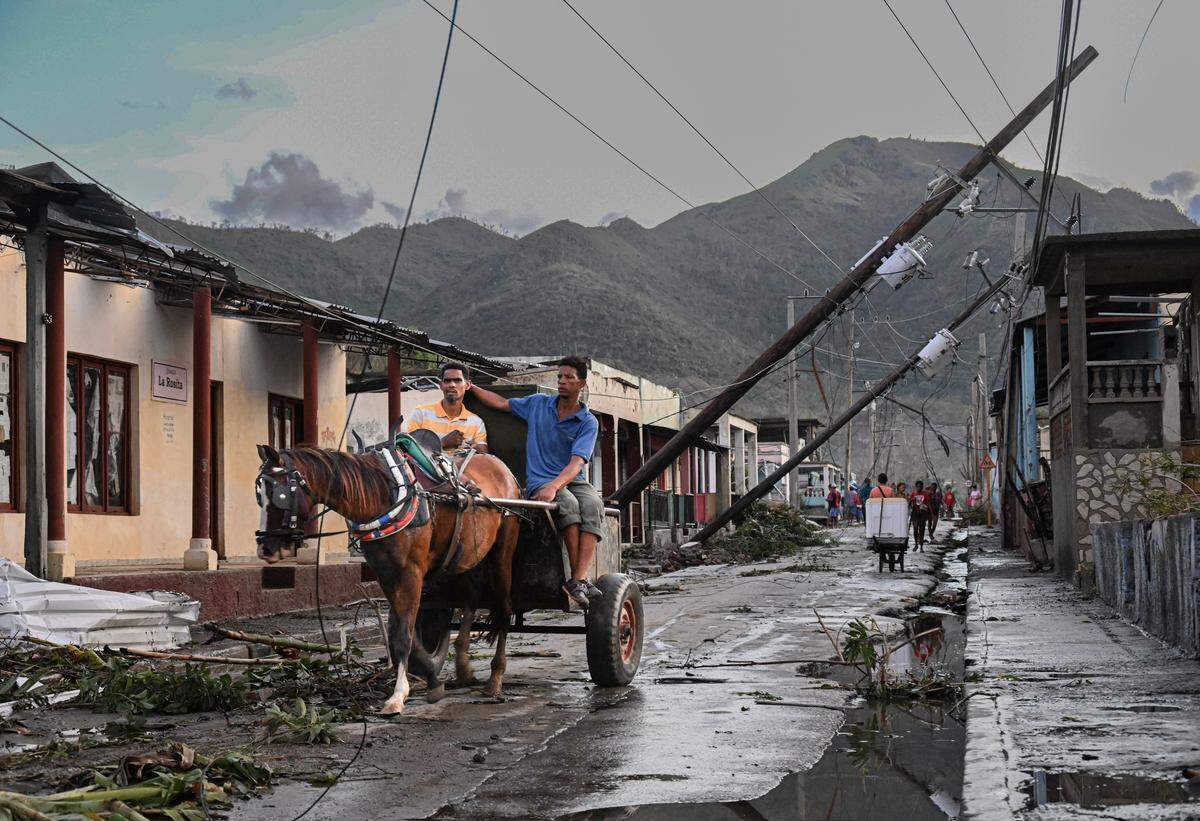
“It’s really still very preliminary in terms of damages; a lot of housing destruction, broadly critical infrastructure also affected, including health facilities, schools, power lines. Telecommunications has been a challenge so far. Also, food production has been compromised after such extensive damage on crops and farmland,” Pichon said.
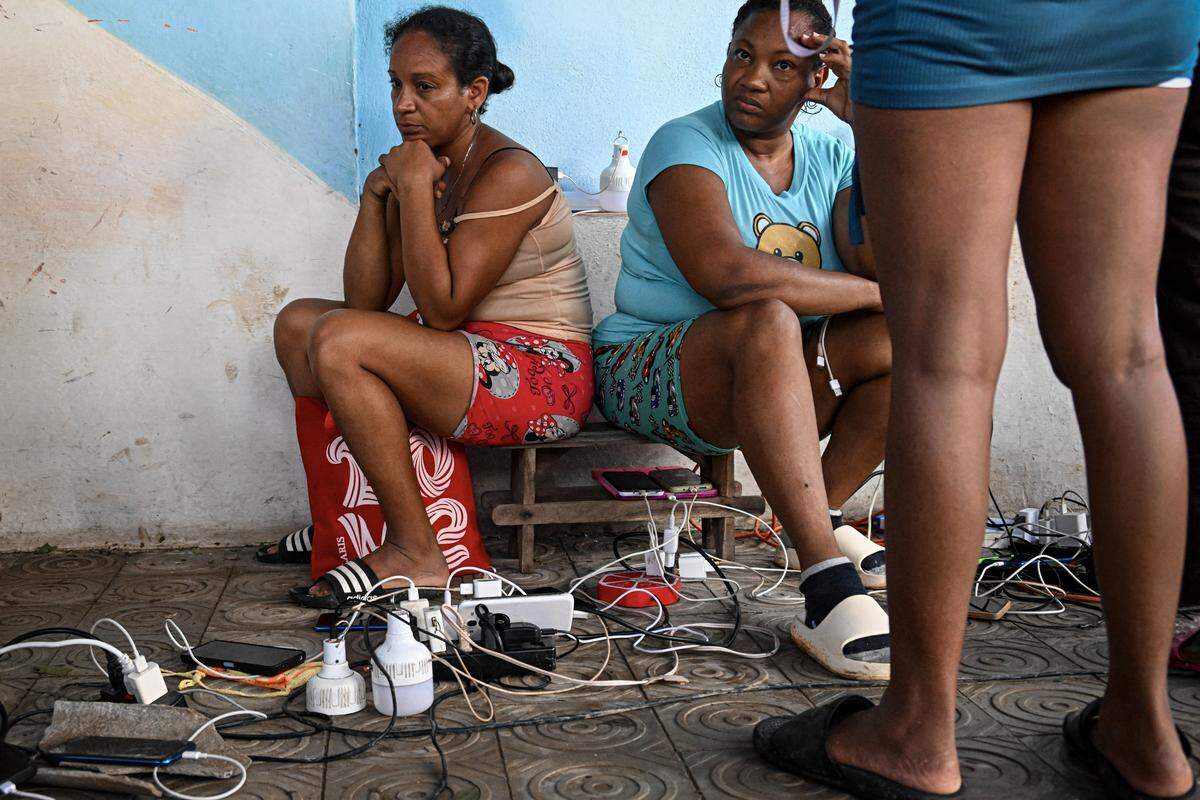
Most of eastern Cuba has been without electricity since Tuesday, communications are mostly down and several communities, especially in rural areas, remain isolated because of the intense flooding.
Melissa tore through the Caribbean as a Category 5 hurricane before making landfall in Chivirico, in Santiago de Cuba province, early Wednesday as a Category 3 storm. The hurricane’s winds destroyed homes, roads and toppled trees across its path. The storm also damaged crops, including coffee and yuca.
Cuban leader Miguel Díaz-Canel said the storm was “one of the strongest, most severe, or perhaps the strongest hurricanes to have passed through the national territory.”
Cuban officials said they had staged several brigades to help launch recovery efforts as soon as the hurricane moved away. But videos and accounts shared on social media and local news outlets show many communities have not immediately received aid.
Prior to Melissa’s arrival, the U.N. said it pre-positioned goods in the country and U.N. agencies deployed assistance near the affected areas. The Cuban government also evacuated more than 735,000 people to shelters. Still, “the needs far exceed the response capacity of the country,” Pichon said. “I think broad support from international cooperation partners is really needed.”
“The eastern territories hit by Melissa are also the same areas devastated a year ago by Hurricane Oscar and two earthquakes, for which the U.N. is implementing an underfunded recovery plan,” he said. “We visited those areas and the conditions for those municipalities that were affected a year ago by Oscar are really quite severe.”
Due to U.S. sanctions, Cuba is excluded from international financial institutions and many global markets. This makes it difficult for the country to finance a disaster response, said Pichon.
“The U.N. and the national authorities, the Civil Defense, the local governments, are right now busy preparing an action plan to assist around two million people who are considered to be in the greatest needs across six different humanitarian sectors, which are food security, health education, shelter and housing, water and sanitation and logistics, and we are working to launch this plan in the coming days,” he said.
Late Thursday, the State Department announced that the regional Disaster Assistance Response Team, activated by Rubio in response to Hurricane Melissa’s catastrophic damage to the Caribbean, has deployed and will be rapidly mobilizing to assist the people of Jamaica, Haiti, The Bahamas and Cuba.
The team consists of disaster experts from across the Department of State, along with two urban search-and-rescue teams from the fire departments of Fairfax County, Virginia and Los Angeles County, California. Experts will assess the situation, identify priority humanitarian needs and lead the U.S. government’s response to the disaster.
“The United States stands with Jamaica, Haiti, The Bahamas and the Cuban people as they respond to the impacts of the hurricane and remains prepared to swiftly deliver emergency relief items to communities most severely affected,” Spokesman Thomas “Tommy” Pigott, said.
Miami Herald staff writer Jacqueline Charles contributed to this story.
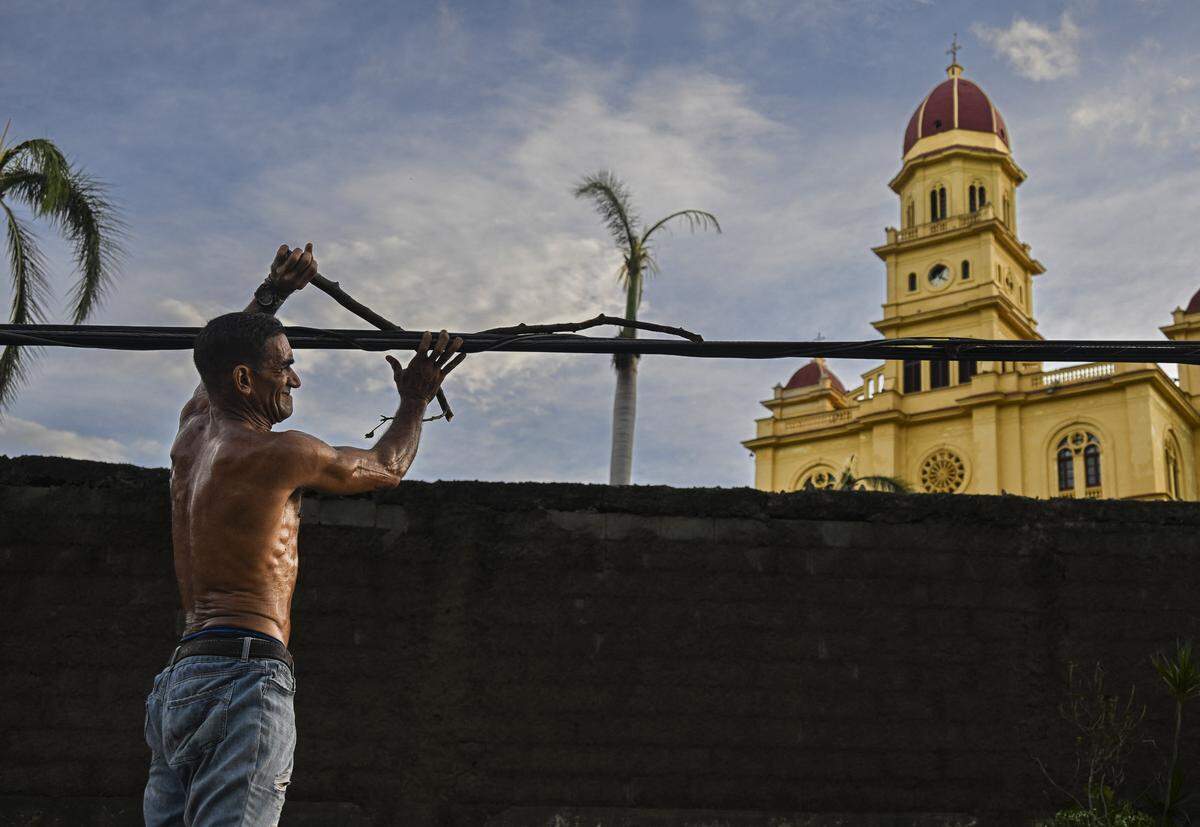
More photographs of the devastation in Cuba in the aftermath of Hurricane Melissa:
This story was originally published October 30, 2025 at 3:44 PM.