
Hurricane and weather forecasters now tapping into AI. Here are 5 takeaways
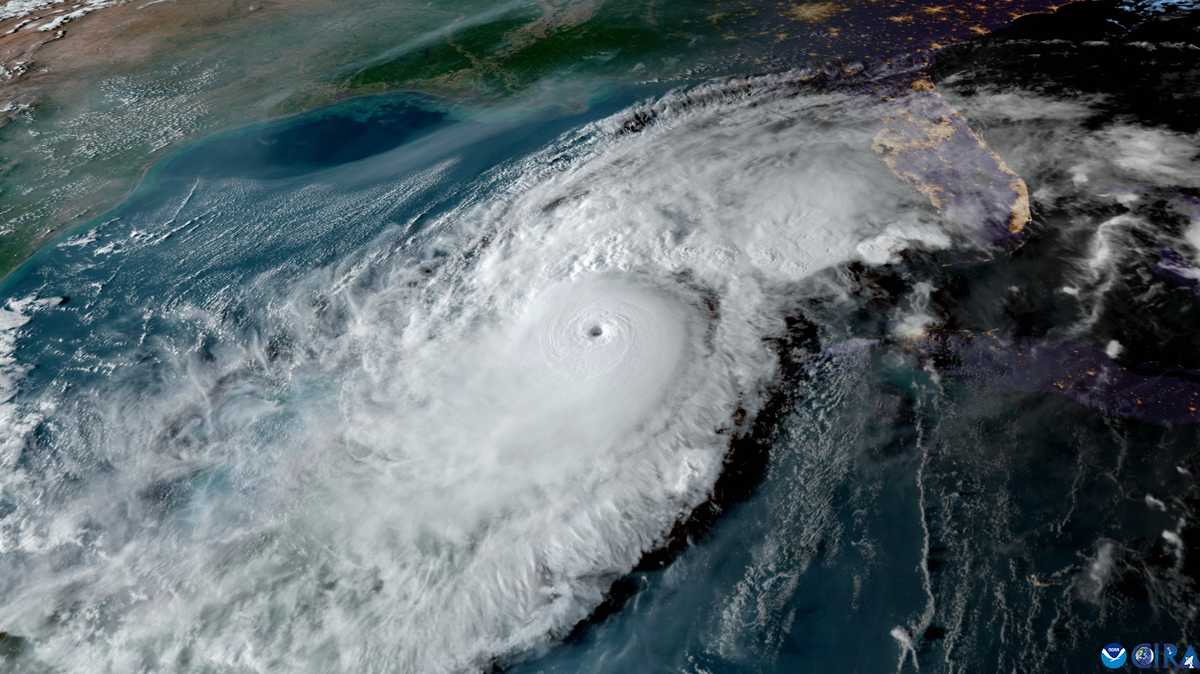
Here’s a quick look at the latest developments with AI in weather prediction. A new AI model by Google DeepMind recently outperformed traditional hurricane forecasting tools, raising hope and questions in the meteorology field.
FULL STORY: ‘Big leap forward’: How AI is already shaping your hurricane forecasts
- Google DeepMind’s AI model gave the most accurate forecast for Hurricane Erin last month, beating the familiar European and American models. The National Hurricane Center is now consulting both DeepMind and a University of Miami AI tool when making forecasts.
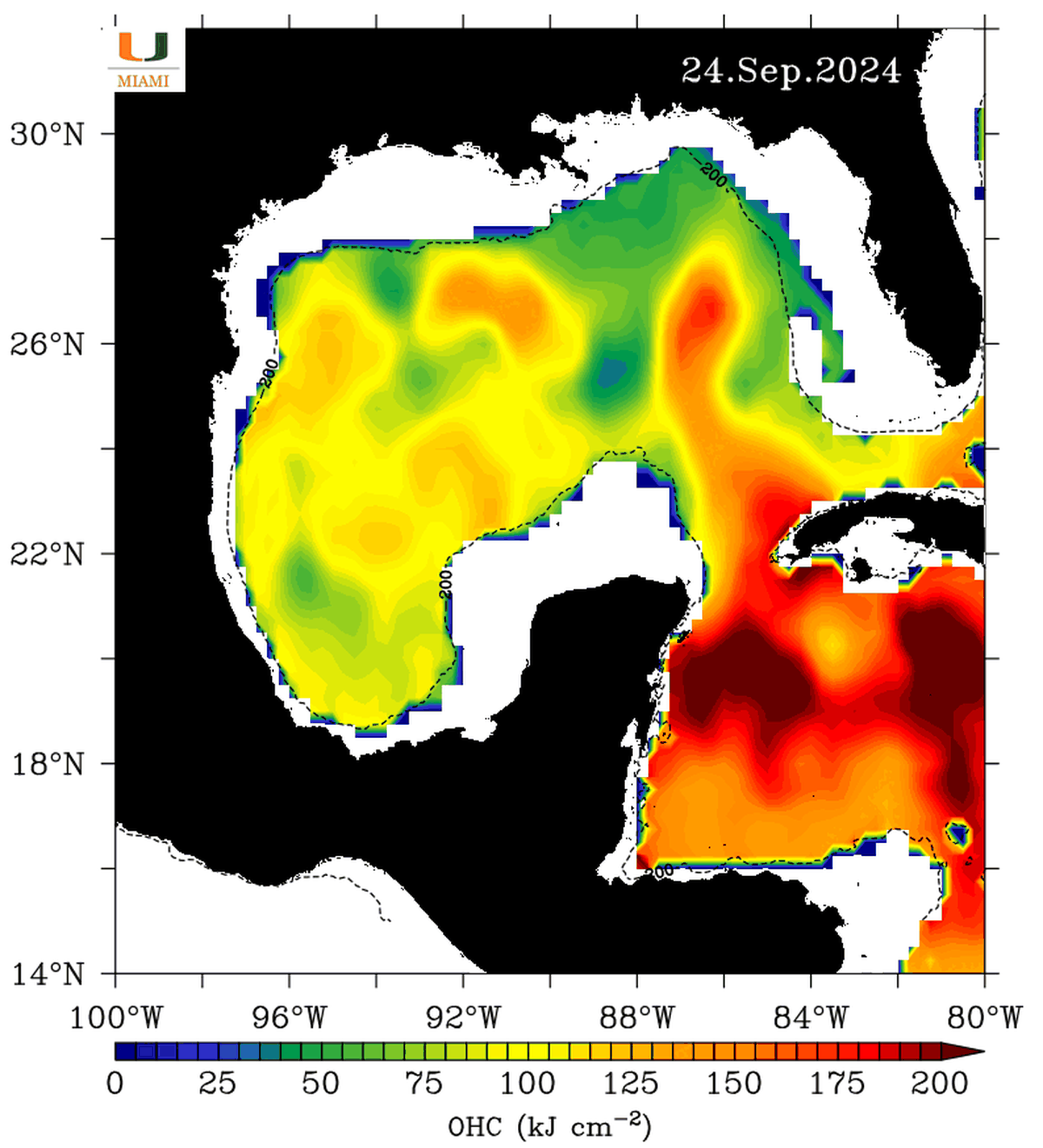
- AI weather models work by spotting patterns in decades of past weather, not by understanding physics like traditional models do. They’re much faster and use less energy, which means forecasts can be made even on ordinary computers.
- AI models are already nearly as good as established ones for predicting hurricane tracks, and they’re improving at forecasting storm strength too. However, they sometimes miss sudden, small shifts in a storm’s path that can have a big impact.
- Experts say AI isn’t perfect and can struggle with predicting totally new or extreme weather events, since it only learns from the last 40 years of data. Forecasters still need to review AI suggestions and combine them with their own experience.
- AI is also helping with early detection of tropical waves and even tornadoes, using pattern recognition on past storm data. Scientists are optimistic about combining AI with traditional models, hoping for even better, earlier warnings in the future.
The summary points above were compiled with the help of AI tools and edited by journalists in the Miami Herald newsroom. The full story in the link at top was reported, written and edited entirely by Miami Herald journalists.