Saharan dust is helping limit Atlantic hurricane formation. It won’t last much longer
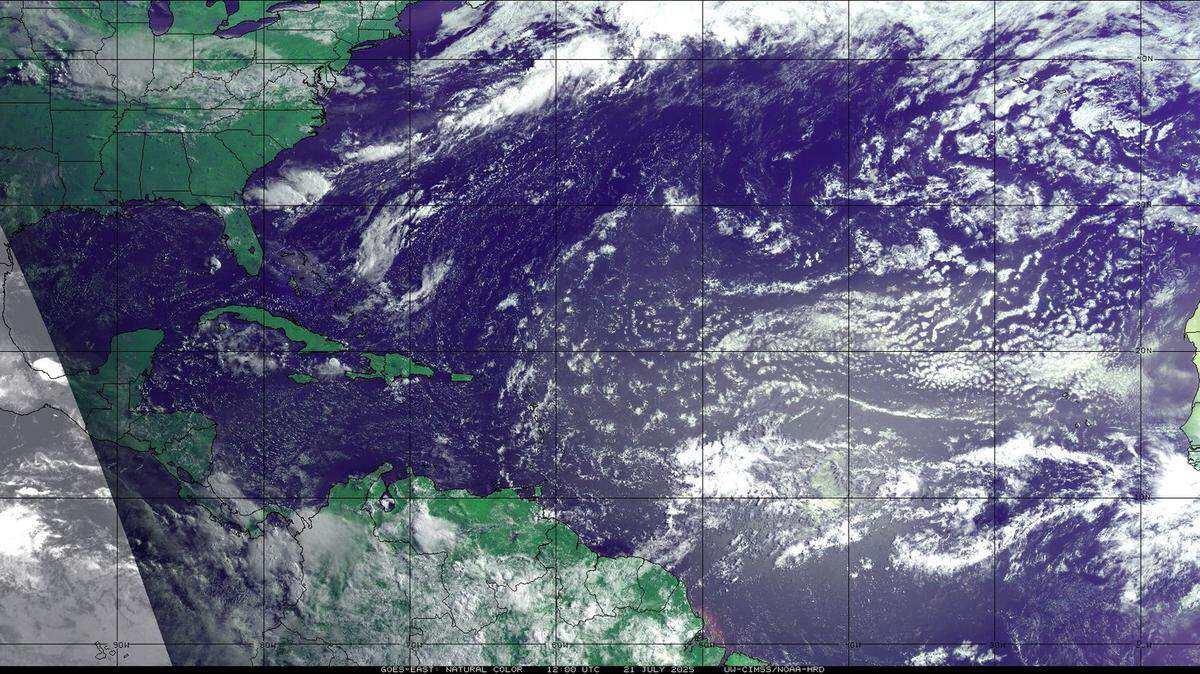
A tropical wave rolled off the coast of Africa a few days ago and began its journey across the Atlantic. But unlike the start of many of the Atlantic basin’s worst hurricane stories, this one is likely to have a short ending — thanks in part to a blast of dust from the Saharan desert.
The tropical disturbance the National Hurricane Center is currently eyeing is hundreds of miles away from the Caribbean, in a stretch of ocean hurricane scientists call the main development region. In a very active hurricane season, this patch of sea can look more like a conveyor belt, turning newborn tropical disturbances into full-fledged tropical storms or hurricanes.
But this system, which only had a 20% chance of strengthening on Monday morning, faces more challenging conditions. For one, there’s a lot of hot, dry air that blew off the coast of Africa and surrounded the system.
This is known as the Saharan Air Layer, or Saharan dust, and it is known to slow down storms from developing.
“The atmospheric conditions immediately ahead are reasonably conducive to tropical development. They would be very conducive if there weren’t so much dry air nearby,” Bryan Norcross, a hurricane specialist at Fox Weather, wrote on his blog.
On average, he said, Saharan dust becomes less common in late July. The peak of the hurricane season is August or September, and it’s more rare to see a storm throttled by dry, dusty air.
Ana Torres-Vazquez, a meteorologist at the Miami office of the National Weather Service, said Saharan dust is just one of multiple factors that can slow down a would-be storm.
Sometimes, some of that dust can make it across the entire ocean and end up near Florida, where it can cause brilliant sunsets and aggravate people’s lung conditions. Torres-Vazquez said current weather models show a smaller portion of that dust may reach South Florida by the end of the week or early weekend.
“If the weather conditions currently in place hold, some of the remnants of that dust could reach our area, maybe by the late work week,” she said. “The entirety of that air mass wouldn’t make it that far.”