Which part of Florida will see the ‘dirty side’ of Idalia and face the worst weather?
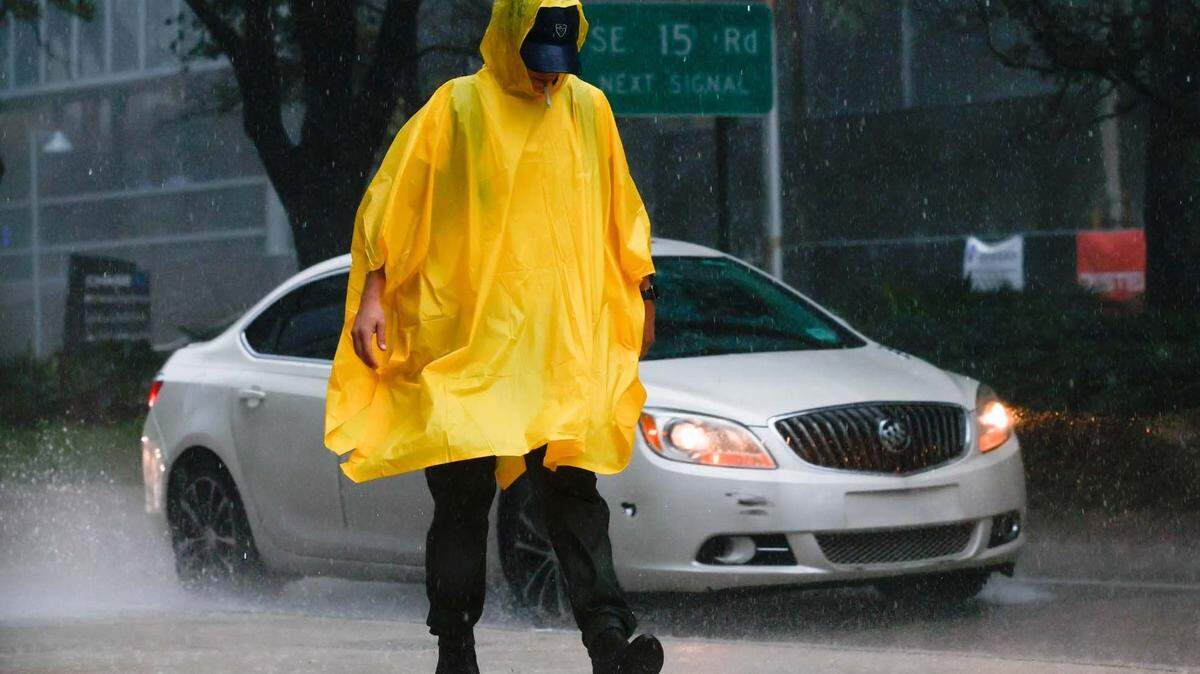
Hurricane Idalia is forecast to turn into a powerful Category 3 hurricane ahead of its Florida Gulf coast landfall.
Idalia’s track continues to shift, with forecasters reminding everyone in an area that is under a hurricane, tropical storm, or storm surge watch or warning to prepare. And while the storm’s bad weather will be felt far from its center, those who are on Idalia’s “dirty side” will likely feel the worst of it.
Here’s what to know about the dirty side of a storm:
What is a hurricane’s dirty side?
A hurricane’s “dirty side” is generally considered to be the right side of the storm — to be more specific, it’s the storm’s upper-right quadrant in the direction the storm is heading. That’s where you’ll find some of the worst weather, including powerful, gusty winds and the largest tornado risk. The closer an area within the “dirty side” of the storm is to the eye, the more likely it will see the worst winds.
“If a hurricane is moving to the west, the right side would be to the north of the storm, if it is heading north, then the right side would be to the east of the storm,” according to NOAA.
READ NEXT: Folks misunderstand hurricane ‘cone of uncertainty,’ study shows. Time for a change?
However, remember that all sides of a storm will have dangerous weather, with storm surge posing the greatest risk to life, and that its impact will be felt far from the center. The farther an area is from the eye, the better.
“You don’t have to be that close to get the storm surge,” Brian McNoldy, a senior research associate at the University of Miami’s Rosenstiel School of Marine and Atmospheric Science who researches hurricanes and tropical cyclones, previously told the Miami Herald when discussing the “dirty side” of hurricanes.
For Florida’s Gulf Coast, the most storm surge usually occurs to the south of the eye. For Florida’s East Coast, the most storm surge usually happens north of the eye.
Which part of Florida will feel Idalia’s worst weather? What about Miami?
As of Monday’s forecast track, Idalia’s dirty side will stretch across Florida’s west coast, north of Naples, according to Barry Baxter, a meteorologist for the National Weather Service in South Florida. As the storm crosses the state Wednesday, parts of Central and East Florida could end up on the storm’s dirty side, too.
Nearly the entire Gulf Coast — along with Key West and the Lower Florida Keys — remained under hurricane, tropical storm and storm surge watches and warnings. A tropical storm watch was also issued for parts of the northeastern coast of the state.
For Miami and the rest of South Florida, there is some good news.
Based on Idalia’s current size and forecast track, the region won’t feel the brunt of the storm, Baxter said.
The weather service said Miami-Dade, Broward and Palm Beach counties could see heavy rain, gusty winds — sustained tropical storm force winds are not expected — and some possible flooding, particularly in low-lying areas near the coast, during high tide. Some isolated tornadoes may also be possible.
Baxter is reminding people under watches and warnings to finish preparations.
As for those in South Florida, well, take this time to make sure your hurricane kit is ready. Hurricane season officially runs through Nov. 30.
READ MORE: Do you have to leave your home in a hurricane? How to find out about orders in Florida
Miami Herald staff writer Alex Harris contributed to this report.
This story was originally published August 28, 2023 at 1:34 PM.