
Florida sees severe storms as second tornado forms in 3 days. Storms coming to South Florida
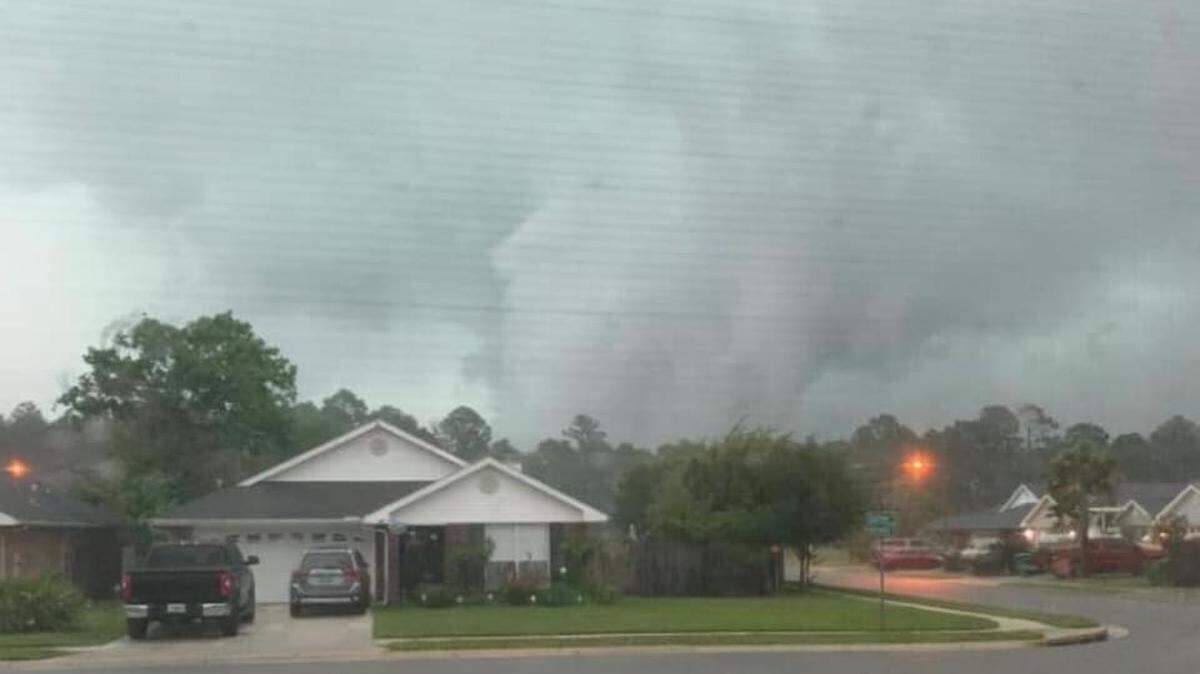
North Florida saw its second tornado this week in Okaloosa County, just three days after a tornado touched down in Ocala, while South Florida will be seeing severe storms this weekend.
On Thursday, several North and Central Florida counties were under tornado warnings, including Alachua, Columbia and Gilchrist counties. Some counties were also under severe thunderstorm warnings, like Clay and Baker counties.
The Okaloosa Sheriff’s Office in the Panhandle posted a picture of a tornado being spotted in the county Thursday afternoon. The sheriff’s office also posted pictures on its Facebook page of trees slammed into homes and ripped off their base.
The National Weather Service confirmed a tornado had hit the county but said it won’t be able to rate its strength until Friday.
Two counties away in Holmes, the sheriff’s office worked with local residents, fire departments and the Holmes County Jail to clear “the majority of storm damage and hazards from our roadways...”
Steven Ippoliti, a NWS meteorologist, said it is not unusual for tornadoes to occur in the state as they tend to become more frequent and stronger during cold fronts. Florida is #1 in the U.S. for number of tornadoes per square mile, he said.
On Monday, a tornado touched down in Marion County and caused property damage, downed trees and powerlines.
Northern Florida wasn’t the only region in the state being affected by severe weather. In Lee County, sheriff’s deputies were called when a pine tree fell and killed a man. The tree was about 16 inches in diameter. A second person also suffered minor injuries, the sheriff’s office said.
South Florida isn’t in the clear either. The National Weather Service says the chances for thunderstorms will increase on Friday and into the weekend as another cold front moves into the area.
“At this time, it looks like the primary hazards from the strong storms will be gusty wind, small hail, lightning, and locally heavy rainfall,” the NWS said.
This story was originally published April 24, 2020 at 6:00 AM.
%20Cropped%20(2).jpg)