Miami felt the heat, then plunged 40 degrees. How long will the cold last?
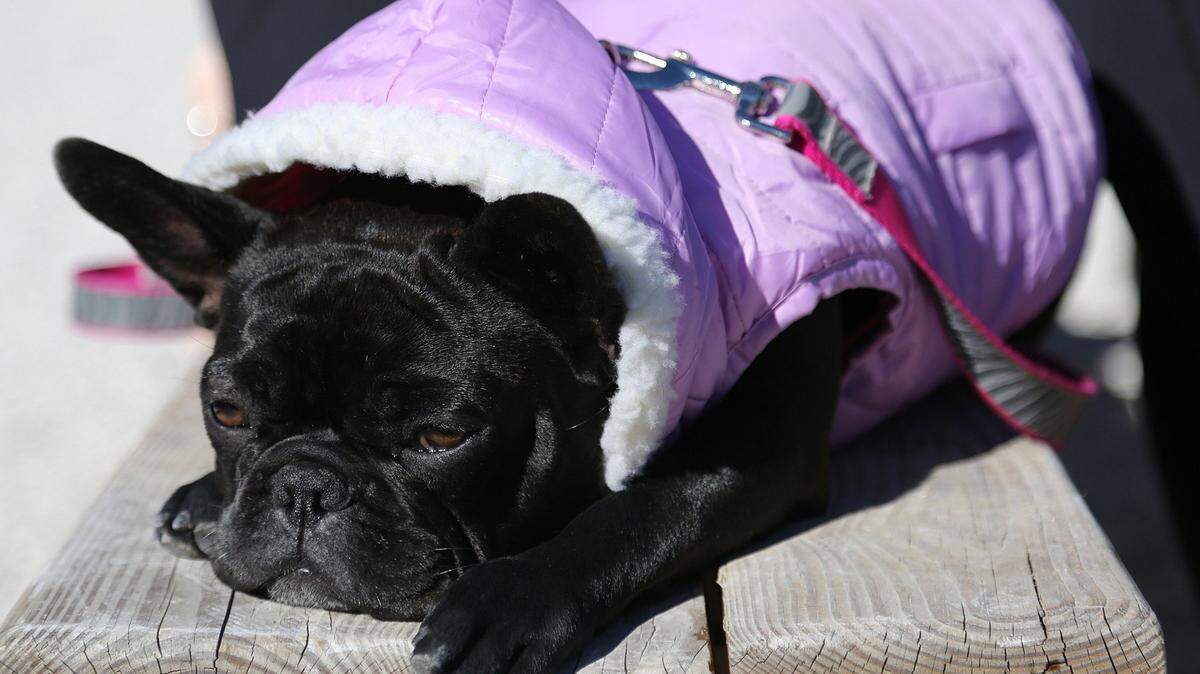
Talk about weather whiplash
First it’s cold. Then it’s hot. Then it’s cold again.
South Florida hit record high temperatures Monday afternoon. Then, a morning bundle up: The thermometer took a free-fall, dropping 40 degrees or more overnight in some areas.
The coldest period, possibly touching the 30s, arrived by Tuesday morning.
Don’t count on a quick warm-up in the Miami and Fort Lauderdale area. We’re talking a week of chills, some down to the 30s or 40s.
That’s bad news for those who hate the cold and expect the usual fast-to-heat-up forecast after a blast of cold air. But the cold isn’t going away for a week, and may drop even more into a second week from another potentially chillier front, said Will Redman, a meteorologist with the National Weather Service in Miami.
“This is definitely prolonged,” Redman said on Monday. “I haven’t seen something like this. I’ve only lived down here for four years.”
The last time there was a stretch of cold weather that lasted as long as this one is forecast to linger was in 2010, Redman said in a phone interview with the Miami Herald, as he consulted the weather service’s monitors and records.
“It’s an interesting pattern,” he said. “We don’t usually stay this cool for this long.”
Temperatures plunged from the record highs Monday afternoon in the upper-80s to the upper 40s Tuesday morning in parts of South Florida, according to CBS News Miami. It was 48 in Kendall, 49 in Pembroke Pines, 50 in Homestead and Fort Lauderdale, and 51 in Miami.
The wind chill drops the “feel-like” temperatures by several degrees, according to the weather service.
The last hot blast
Miami’s Monday forecast 85 degrees would tie that hot weather record mark of 85 for this Jan. 26 date set in 2017, according to CBS News Miami meteorologist Lissette Gonzalez.
According to the weather service, we exceeded expectations. Miami and Fort Lauderdale soared to 88 degrees, setting a new record in Miami and tying an old one in Fort Lauderdale.
Fort Lauderdale’s forecast 86 was two degrees cooler than the 88 high record in the area set in 1965 — the year Hurricane Betsy unleashed its Category 4 destructive toll on South Florida and the Bahamas that September. Miami wouldn’t see a storm like Betsy again until Category 5 Hurricane Andrew in 1992.
Key West’s 80-degree Monday forecast held to 80 and is four degrees off the 84 record high set in the Southernmost City in 1957.
West Palm Beach set an all-time January high with a reported temperature of 90 degrees.
Why won’t Miami warm up again?
Blame the abrupt change into the Big (and long) Chill on wind patterns, Redman explains.
“It looks like we don’t really get a wind shift back to an easterly or southerly flow at all during this week. So it kind of just keeps the colder air from up north and stuff pulled down here,” he said.
We also won’t be getting moisture or warmer air moving over South Florida from the Caribbean to end the cool run, which is expected to last from Monday night-Tuesday morning until at least through the weekend.
How cold?
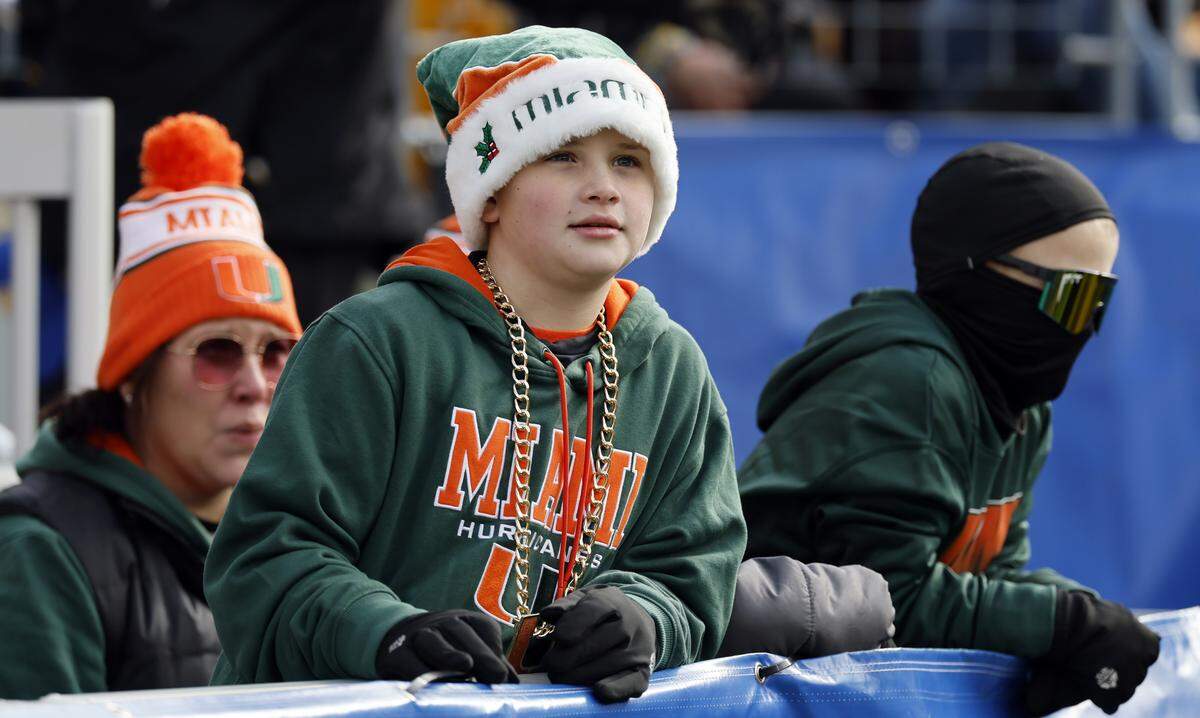
South Florida’s nighttime and morning lows will remain in the low-50s and upper-40s through at least Sunday from the exiting holding pattern. Daytime highs won’t creep beyond 68 or 69 through Sunday. That day, the National Weather Service forecasts a high near 65.
Expect colder.
“It is going to be frigid as we’re talking temperatures plummeting to the 30s, potentially close to freezing Sunday morning,” CBS News Miami’s Gonzalez said Tuesday morning.
Then there are the wind chill “feels-like” factors to consider.
Wind chills in the Miami-Fort Lauderdale areas will be in the mid- and upper-40s — about 44 around 5 a.m. Tuesday and even colder Thursday morning, around 36, according to the weather service’s hourly forecast.
Wind chills will be in the low- to mid-30s near Lake Okeechobee and Glades and Hendry counties, Redman said.
Tallahassee and Gainesville were under an extreme cold warning and freeze warning on Monday, with lows at 24 degrees in the state’s capital and 27 where Florida Gators go to school.
Tampa is under a cold weather advisory, with lows plunging to 35 Tuesday night, according to the weather service. Orlando is under a freeze watch as lows are set to drop to 34 Tuesday night and continue with lows in the 30s through the week and highs only in the upper-50s, maybe low-60s Thursday and Friday.
A cold weather advisory was issued for Fort Myers for Tuesday as lows are expected around 39 Tuesday and Wednesday nights.
The next cold front
The next potential cold blast on the heels of this one could drop regular air temperatures into the 30s and 40s along the coast with wind chills in the 30s in South Florida.
“The long-term guidance is hinting at it, but it’s six or seven days away,” Redman said.
Meteorologists are monitoring this secondary front over the coming week.
“Eight to 14 days out, this cold snap is going to stick around, even into next week, so you need to prepare,” Gonzalez said.
“It’s already on the cooler side,” Redman said. “That could cause more issues for farming and all of that stuff.”
The cold storm’s impact
If you think Miami will get cold, just look at what half the country felt this weekend and into Monday as snow, ice and power outages paralyzed the Northeast and the South. The only effect the first wave of cold elsewhere had in South Florida has been at the two major airports.
The airport issues continued into Monday afternoon as Miami International Airport reported 334 flight delays and 119 flight cancellations. Fort Lauderdale-Hollywood International Airport reported 210 flight delays and 122 flight cancellations. Not all of these may be related to the nation’s arctic blast that has over half of the U.S. covered in snow or arctic air and freezes, according to Accuweather.
Cold weather tips
The cold snaps hitting Florida led FPL to promote energy saving and safety tips for the state. Clearly, South Florida isn’t going to drop as low as Central and North Florida, but the tips could apply locally, too.
Here’s what FPL’s experts suggest:
- Set your thermostat to 68 degrees or lower, as every degree below 68 saves you 5% on heating costs.
- Avoid raising your thermostat by more than two degrees at a time to prevent accidentally turning on your system’s auxiliary heating, which can add up to $15 per day if used more than 12 hours a day.
- Use electric blankets or space heaters to keep warm. “Just remember to turn them off before you leave the room and keep children and pets at least three feet away,” experts say.
- Reverse the setting on your ceiling fan to push warmer air down. “Just remember to turn it off when you leave the room to save $7 a month,” FPL said.
- Seal doors and windows to keep warm air in.
AAA’s Mark Jenkins warns of dead car batteries and even possible burst water pipes in homes over the next week or two in Florida.
“Whenever temperatures drop this quickly, the calls start pouring in,” said Jenkins, spokesman for AAA – The Auto Club Group, in a media release sent to the Herald on Tuesday. “Dead batteries become extremely common. At the same time, homeowners face the risk of frozen pipes that can burst and cause thousands of dollars in damage.”
AAA issued some cold weather tips.
- Have your car battery tested if it’s more than three years old. Cold weather in the 20s and 30s can reduce a battery’s ability to hold a charge, especially an older one.
- Listen for slow cranking, a key warning sign of a failing battery.
- Replace the battery if it shows signs of weakness or struggles in cold weather.
- Check your car’s tire pressure in the morning because extreme cold can affect their performance. “With overnight lows dipping into the 20s and 30s, many Florida drivers may wake up to under‑inflated tires, which can reduce fuel economy, affect handling, and increase the risk of a blowout,” AAA said.
- Inflate tires to the manufacturer’s recommended PSI, which you should find listed on the driver’s door jamb.
- In parts of Florida where freezing and below temperatures are expected let faucets drip slightly to keep water moving to help protect pipes from freezing or bursting.
- Open cabinet doors under sinks to allow warm air to circulate.
- Keep the thermostat set to at least 55°F, even when away from your home.
- Know where your main water shutoff valve is located in case a pipe bursts.
This story was originally published January 26, 2026 at 1:53 PM.