
Can you park your car in front of someone’s house? What Florida law says
AI-generated summary reviewed by our newsroom.
- Florida law permits street parking in front of homes unless signs restrict it.
- Vehicles cannot block driveways, hydrants, crosswalks or obstruct sidewalks.
- Private communities may enforce separate rules through HOAs or local ordinances.
If you’re visiting a friend or running into a restaurant down the block, can you park in front of someone else’s house?
It depends.
We all know that it can be tough to find a parking space in Miami or Fort Lauderdale. But rules are rules.
“Remember, any time you’re driving — or parking — in the state of Florida, there are rules that must be obeyed,” Florida Highway Patrol Trooper Steve Montiero said in a question-and-answer session he regularly conducts online.
KNOW MORE: How do drivers get into I-95 express lanes? And what about the poles? What the law says
Here’s what the law says about street parking in Florida:
On a public street
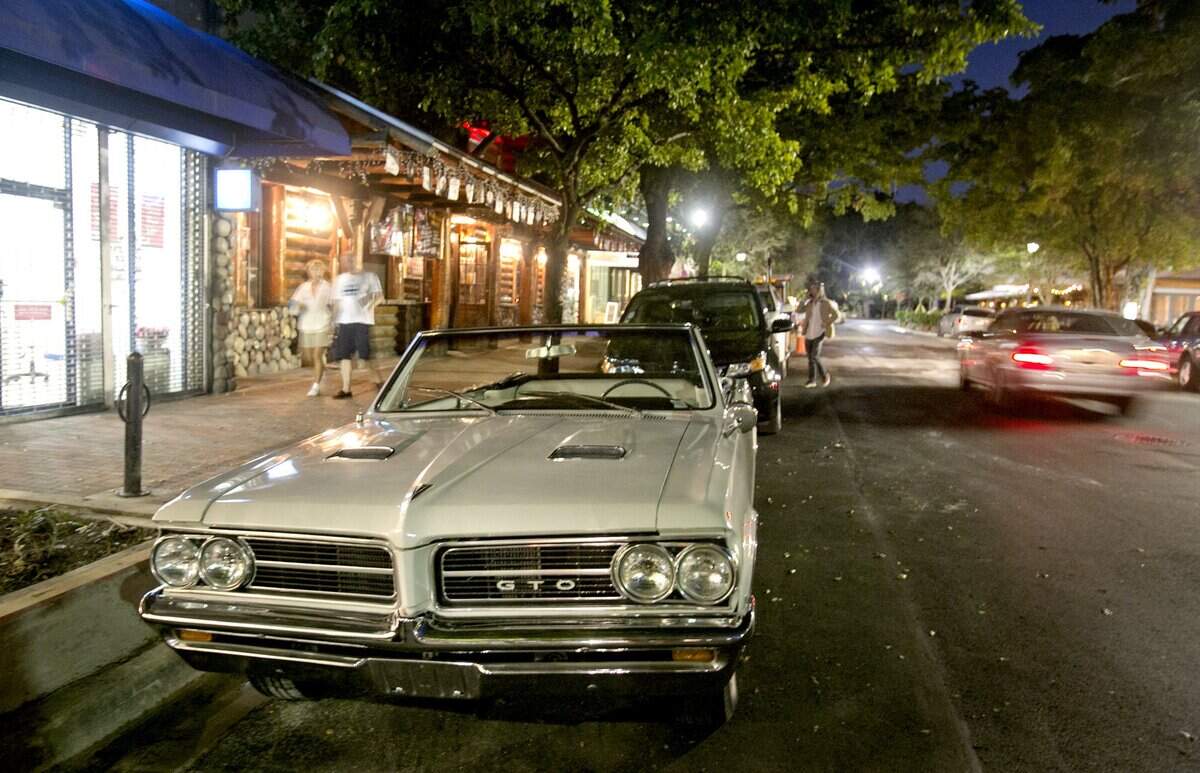
What you can do: Drivers can park on a public residential street in front of any house. But there are exceptions in some localities, which could reserve spaces for residents and indicate various restrictions on street signs.
What you can’t do: Florida and local laws prohibit parked cars from blocking driveways, intersections, crosswalks and bicycle paths. Parked cars also must be 15 feet from fire hydrants.
KNOW MORE: What Florida law says about parking on the street
On a private street
Residential communities: Private communities have their own parking rules, so you may want to first ask the household you are visiting. Many communities, especially those with narrow streets, restrict long-term parking parking along the roadway. For big gatherings, a homeowner could seek permission with the homeowners association for cars to park along the street.
Your own home
What you can and can’t do: Homeowners, of course, are allowed to park in their own driveways, as long as a vehicle is not obstructing a sidewalk or street. But what about parking on the street in front of your home, or in your yard? There’s no ban on that as long as there are no local restrictions.
“When it comes to parking a vehicle that is presumably in good working order, in one’s own yard, any local ordinances, regulations, and even HOA covenants in some instances would ultimately determine whether or not the vehicle is parked in violation,” North Carolina State Highway Patrol Sgt. Marcus Bethea told The Charlotte Observer. “I would recommend that residents and commuters gain a thorough understanding of the rules that are specific to their local jurisdictions as well as their immediate living communities.”
Can you park briefly in a no-parking area of a street?
What you can do: Florida law allows drivers to “temporarily” park to unload passengers or merchandise.