
‘Move over’ law is changing soon for drivers in Florida. What to know about new rules
READ MORE
Rules of the road
Can you text while driving? Or shave behind the wheel? What about driving in the left lane? Our series on Florida driving laws.
Expand All
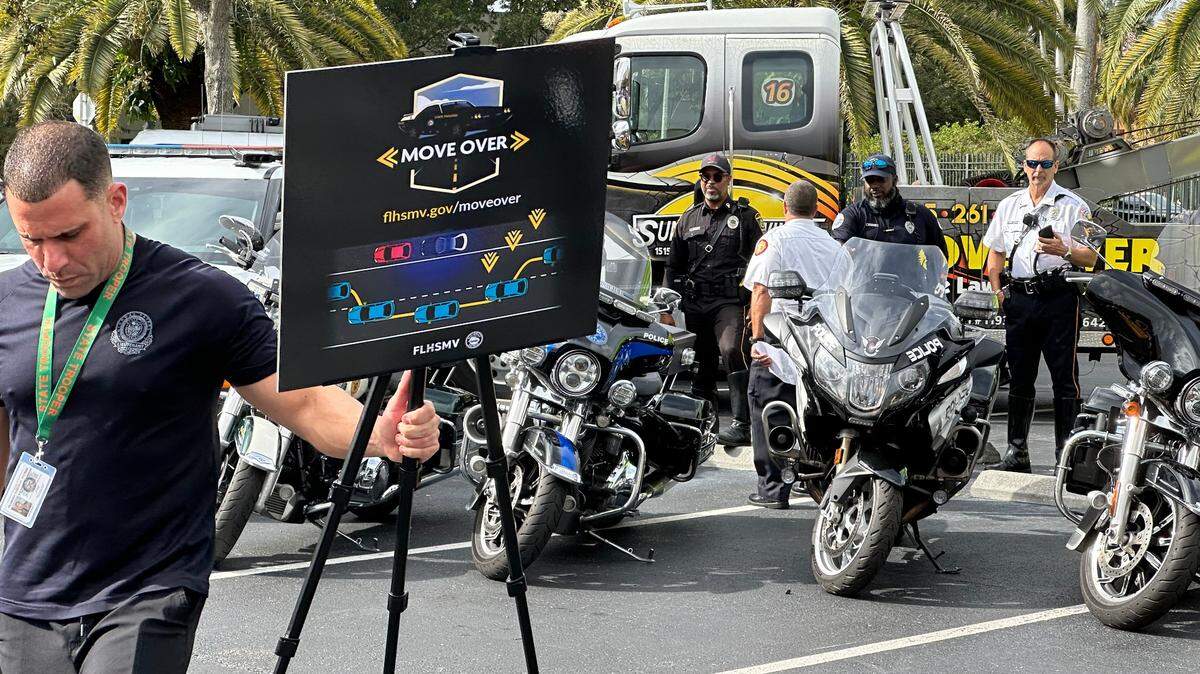
Attention, drivers. Starting Jan. 1, Florida’s “Move Over” law is changing.
Right now, the Move Over law requires drivers to shift over one lane — or reduce speed if moving into another lane isn’t safe — for “any stopped law enforcement, emergency, sanitation, and utility service vehicles, tow trucks or wreckers, and maintenance or construction vehicles with displayed warning lights.”
The law, enacted by the state in 2002, will soon expand, requiring drivers to take action when they see any stopped vehicle on the side of the road. The changes were approved in July and take effect Jan. 1.
READ MORE: Four new Florida laws take effect in January. Here’s what they may mean for you
What the new law adds
Under the expanded law, House Bill 425, drivers will have to move over to avoid any vehicle stopped on the side of the road, not just emergency vehicles used by police, Road Rangers, emergency crews or construction vehicles, according to the bill’s analysis.
The expanded law specifically adds:
▪ Disabled motor vehicles that are stopped and displaying warning lights or hazard lights.
▪ A vehicle that is stopped and using emergency flares or posting emergency signs.
▪ A vehicle that is stopped and one or more persons are visibly present.
What do drivers have to do?
To comply with the law, which is designed to save lives and help avoid crashes, drivers in Florida will have to do what they’ve been doing for emergency or public service vehicles for the last 21 years.
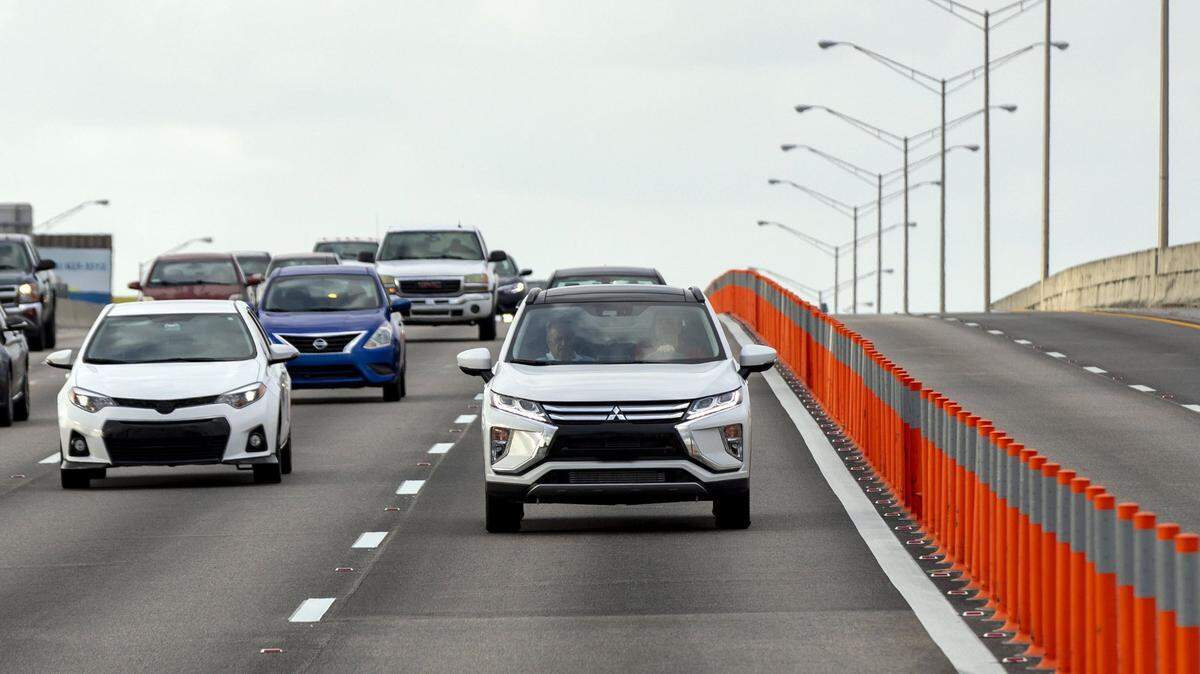
▪ Move out of the lane closest to the disabled vehicle when driving on highways or streets with two or more lanes traveling in the direction of the stopped vehicle.
▪ If drivers can’t safely make that move, they must slow to 20 mph less than the posted speed limit when the posted limit is 25 mph or greater. Or travel at 5 mph when the posted speed limit is 20 mph or less.
What if you break the law?
You will pay a fine if caught. A violation of the Move Over Law is a noncriminal traffic infraction, punishable as a moving violation, according to the state. The statutory base fine is $60 but with additional fees and surcharges, the total penalty may be up to $158, the bill says.
KNOW MORE: Should you speed up on I-95 entrance ramp? Do you have to stop at light? What laws say
What officials have to say about Move Over
Florida Highway Safety and Motor Vehicles reported that in 2021, there were 191 crashes and more than 14,000 citations issued for drivers failing to move over in Florida.
In November, the driver of a Nissan SUV crashed into a tow truck, hitting and killing its driver who was standing on the roadway tending to a disabled car on southbound Interstate 95 near Northwest 62nd Street in Miami-Dade.
In April 2022, Miami Herald news partner CBS News Miami reported that a driver working on a disabled vehicle on the side of the road in Southwest Miami-Dade was killed in a similar crash.
From 2016-2020, an average of nearly 350 people per year were struck and killed while outside a disabled vehicle on the roadside, AAA said in a media release applauding the Florida Move Over law update and its approaching start date on Jan. 1.
“AAA has advocated for a stronger move over law through our ‘Move Over for Me’ campaign, and are glad to see it come to fruition,” said AAA spokesman Mark Jenkins in a statement. “The roadside is a dangerous place for anyone, whether it’s a first responder or a daily commuter. We hope this enhancement to the current law will save lives by reminding drivers to give extra space when passing anyone on the roadside.”
AAA safety tips for drivers and stranded motorists
As the refreshed Move Over Law takes effect, AAA shared tips on how drivers can reduce accidents.
▪ Remain alert, avoid distractions and focus on driving.
▪ Keep an eye out for emergency vehicles — including tow trucks — that have their lights on as well as cars that have their flashers on. Move over one lane when you see them and if you can’t move over, slow down to safely pass them.
▪ Be a good passenger. This is a nod to “backseat driving” but if it helps avoid a crash ... “Help identify roadway issues and remind the driver to slow down and move over,” AAA suggested.
▪ Watch for people on the roadside. “Just because you don’t immediately see them doesn’t mean they aren’t there, bent down by their vehicle, in front of the vehicle, or about to get in or out of the vehicle.”

This story was originally published December 22, 2023 at 1:25 PM.

.JPG)

.jpg)