What happens if you die without a will in Florida? Here’s who gets your property
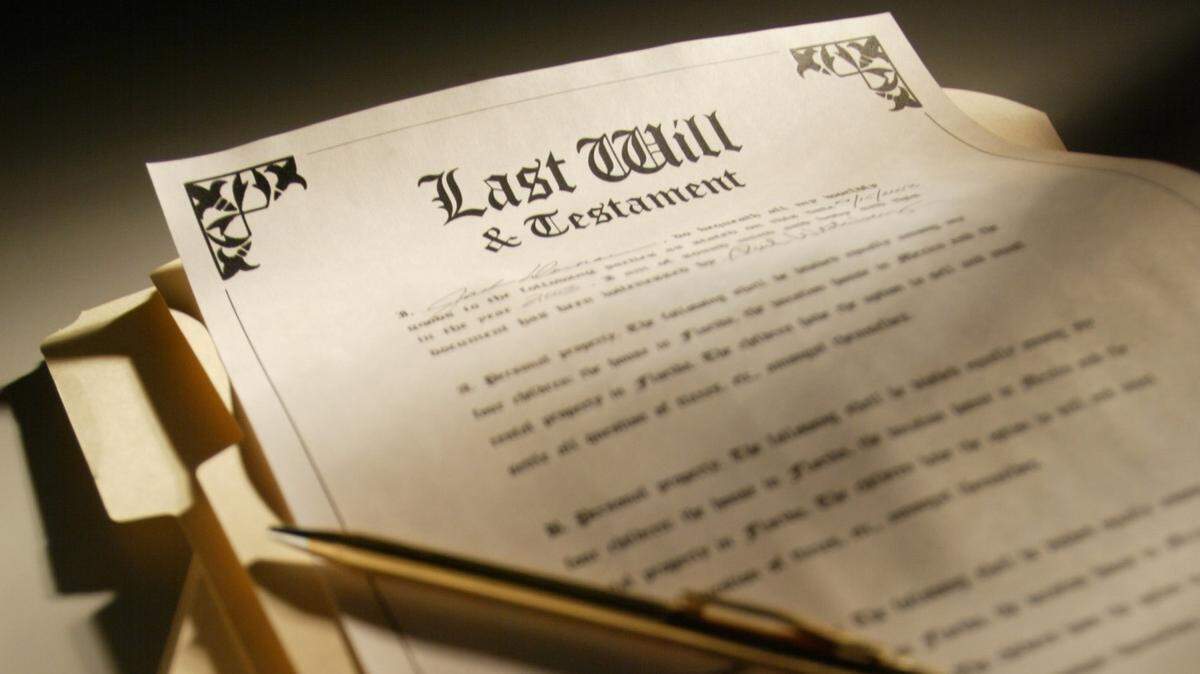
Among life’s great procrastinations, putting off making a will seems to top insignificant things like delaying cleaning the house or starting a homework assignment.
Though state officials haven’t released figures for how many Floridians die without a will, the national trend seems to be that two-thirds of Americans will die without filing a one, according to research by the Houston-based McCreary Law Firm.
“While the reasons for not having a will vary, the end result is the same for everyone: they do not get to choose who receives their property when they die. Instead, their money and property are distributed according to the laws of their state in a process called intestate succession,” wrote Jana McCreary, a Houston estate planning attorney.
What happens if you die without a will in Florida?
Here’s what intestate succession laws mean in the Sunshine State, according to statutes for your survivors, including spouses, children, siblings, friends and charities you may have supported during your lifetime.
- You have a surviving spouse and no descendants such as children or grandchildren: Your spouse inherits everything.
- You have a surviving spouse and there are descendants: If all of the children and grandchildren are also descendants of your spouse, the spouse inherits everything. If you die with a spouse, have a child or children from a previous relationship, and a joint child with your surviving spouse, the spouse gets half of your assets and the children split the other half.
- You have a surviving spouse but descendants from other relationships: Your spouse gets half of your estate and your descendants share the other half.
- No surviving spouse? Assets go to your relatives in the following order, according to Florida statute.
— Descendants, which includes children and grandchildren, divided equally. Adopted children are treated as biological children. Stepchildren don’t inherit unless they had been adopted. Children born outside of the marriage inherit if paternity or maternity is established. No descendants? ...
— Parents, split equally or to the surviving parent. No parents? ...
— Siblings and down the family line, such as to children of deceased siblings. Half siblings are counted as siblings. No sisters or brothers? ...
— Grandparents or their descendants. One half to paternal grandparents or their descendants; one half to maternal grandparents or their descendants. No grandparents? ...
— Next of kin, such as uncles and aunts and their descendants, split evenly.
What if you die and there’s no kin?
If you die and have no family survivors and did not name anyone in a will or name charities or groups that you’d like to leave your assets to, then your property goes to the state of Florida.
How to make a will in Florida

Anyone 18 or older or an emanicipated minor — meaning they have been ruled an adult by a court — may make a will, according to Florida statutes. You can do it yourself or use an online template tool such as LegalZoom, RocketLawyer or Nolo, including Florida specific templates, or hire an estate planning attorney, which may be wise and help you avoid errors that could doom your will.
- Wills must be in writing, not oral, so recording a voice memo into your phone or making a post declaring your intentions on social media won’t count. Sign the will, have two witnesses sign the will. Though getting it notarized may not be required, doing so could help speed proceedings during probate, the legal process of validating and managing a will.
- If you hire an estate planning attorney to draft your will with you, as is often advised, expect to pay in a range from $200 to more than $1,000, depending on the complexity of your will. You keep the original copy. Your attorney make keep a copy.
- File the will with the Clerk of Court. The person who has custody of your will, which may be your executor or personal representative or family member or close friend, must deposit the original will with the Clerk of the Circuit Court in the county where you lived within 10 days of learning of your death, according to Florida statutes. Executors need to supply the Clerk of Court with the date of death or the last four digits of your Social Security number.
For more details on Florida statutes concerning wills, visit: www.flsenate.gov/Laws/Statutes/2023/Chapter732/PART_V.
.png "Untitled design (72).png")
This story was originally published February 5, 2026 at 5:00 AM.