
T-ball team’s beach trip turns terrifying when 3 kids seen drowning, FL cops say

A T-ball team’s beach outing turned terrifying when multiple children were heard screaming for help in the Atlantic Ocean, according to officials in North Florida.
It happened Saturday, May 10, in the Jacksonville area, when three children were rapidly whisked away from the beach by a powerful rip current, the Jacksonville Sheriff’s Office said in a May 12 Facebook post.
The resulting chaos included rescues and beach resuscitation occurring simultaneously, officials said.
It started when a boy screaming “Help me! Help me!” drew attention to children flailing in the water off Huguenot Memorial Park.
“Moments earlier, officers saw beachgoer Steven Insco carrying a small boy and girl out of the water,” the sheriff’s office reported.
“Beach Patrol Officer Tyler Sweeney stripped off his vest and gear, grabbed a buoy, and dove into the water to find the boy who was calling for help. At the same time, Officer Billy Crocker tended to an unconscious 8-year-old girl and prepared to begin CPR. After giving her a sternum rub, she began to show signs of recovery.“
Jacksonville Fire and Rescue arrived soon after and fitted the girl with a breathing apparatus and rushed her to a hospital, officials said.
“Meanwhile, Officer Sweeney located the boy in the surf and brought him safely back to shore,” the sheriff’s office said.
Crocker visited the 8-year-old girl Sunday at the hospital and was assured she has improved and would soon be released, officials said.
The children were at the beach for a T-ball team outing, officials said. Details of where the team is based were not released.
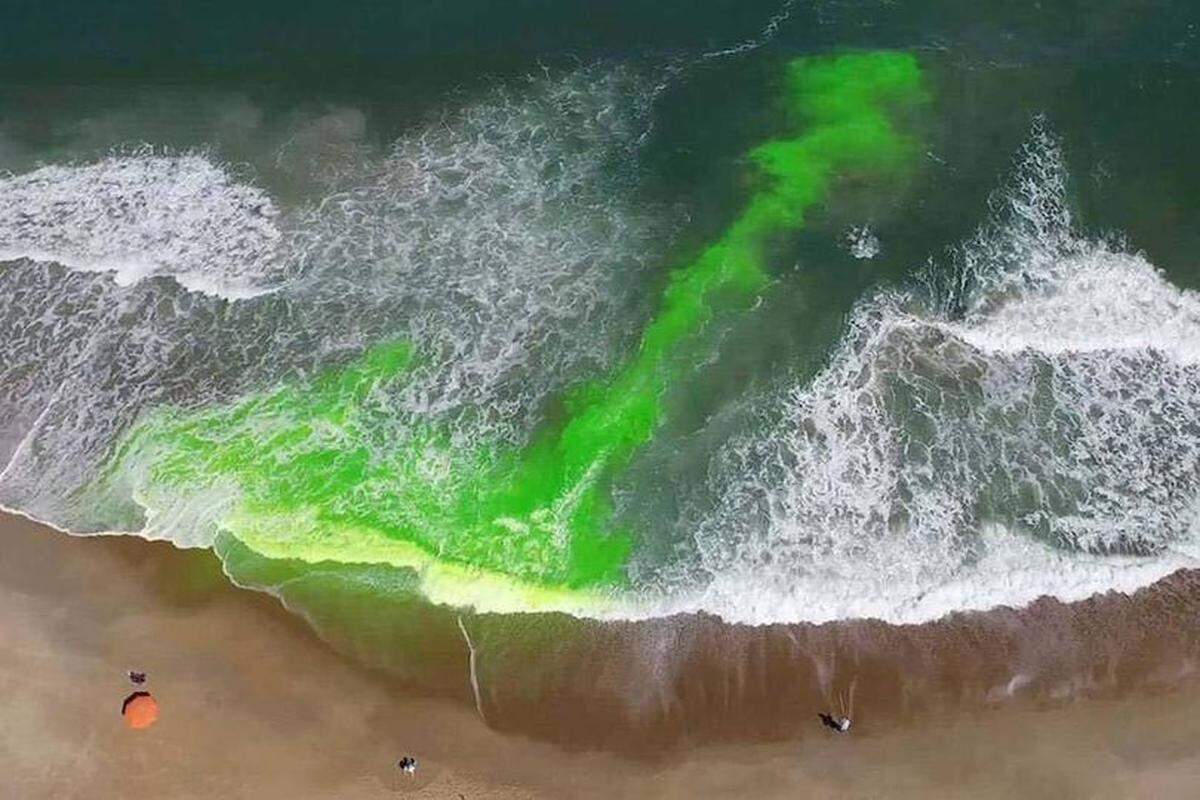
Rip currents are a common cause of drowning along the nation’s beaches, experts say. The currents are powerful channels of water that flow away from shore at speeds of up to 8 feet per second, according to the National Oceanic and Atmospheric Administration.
“That is faster than an Olympic swimmer! Drowning deaths occur when people, pulled away from the shoreline, are unable to keep themselves afloat and swim to shore,” NOAA reports. “This may be due to any combination of fear, panic, exhaustion, or lack of swimming skills. Once people become tired, they can easily go under without flotation to hold onto.”
This story was originally published May 13, 2025 at 7:26 AM.