
Lawyer visiting inmate accused of having something odd on paperwork, Florida cops say
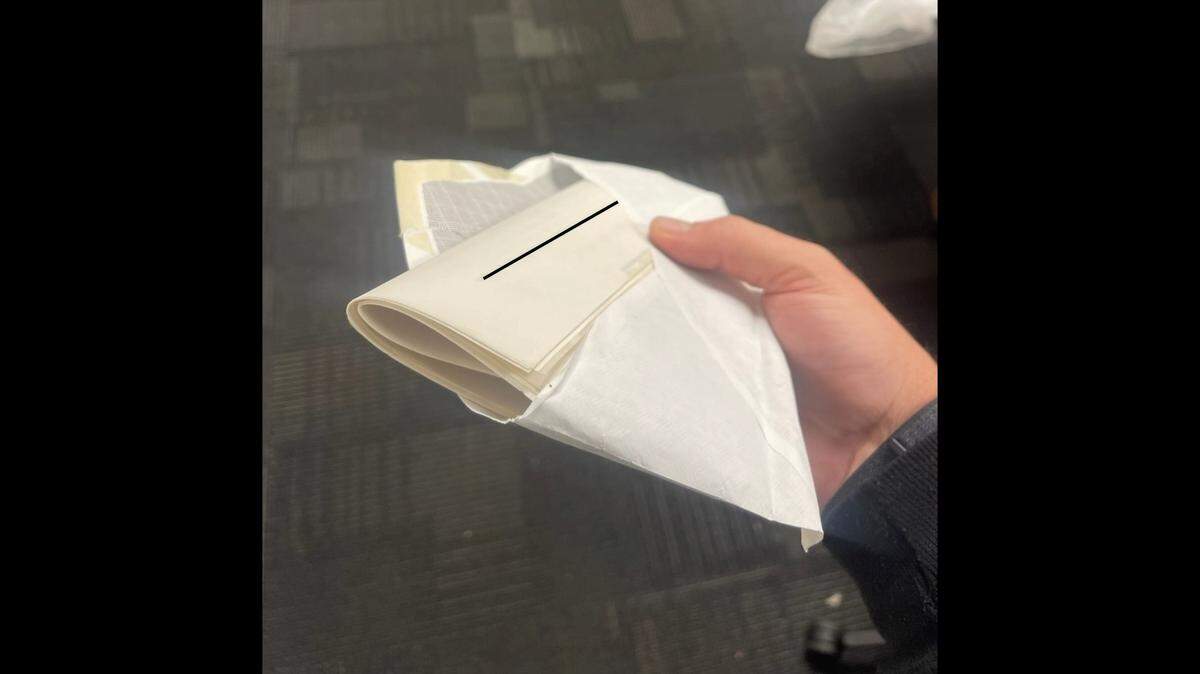
A lawyer visiting a client in jail was arrested after deputies determined his legal documents were laced with a powerful drug, according to investigators in North Florida.
The suspicious substance was identified as synthetic marijuana, the Jacksonville Sheriff’s Office said in a Jan. 7 news release.
“Nathan Williams, a local criminal defense attorney, was arrested for smuggling drug-soaked papers (synthetic marijuana) into the Duval County Jail using his professional access,” the sheriff’s office said. “Investigators believe Williams coordinated with inmates and their families to smuggle drug-laced legal paperwork into the jail in exchange for money.”
The drug was identified as the Schedule 1 hallucinogenic ADB-PINACA, also known as ”K2,” or ”Paper Dope,” the sheriff’s office said.
Williams was arrested Jan. 5 and charged with:
• Two counts of giving drugs to an inmate
• Two counts of giving or receiving communication from an inmate
• Two counts of conspiracy to introduce controlled substances into the jail
• Two counts of unlawful use of a two-way communication device
Williams, 37, graduated from law school in 2013 and was admitted to the Florida Bar in 2014, according to the Florida Bar. He is in private practice in Jacksonville, the bar says.
Investigators say Williams is one of 21 people arrested during an 11-month drug-smuggling investigation at the Duval County Jail.
Overdoses at county correctional facilities have declined 61% during that period, from 23 overdoses in 2023 to nine in 2024, the sheriff’s office said.
The National Library of Medicine notes the use of paper soaked or sprayed with drugs is a trend in prisons. The drug is activated when inmates chew or smoke the paper, researchers say.
“Recreational use of drug-soaked paper strips ... in correctional facilities poses a major public health risk owing to the diverse and potentially severe toxic effects of the substances they contain,” the library wrote in a 2024 report.