
Teen dives onto shark during lifeguard training and is bitten, Florida officials say
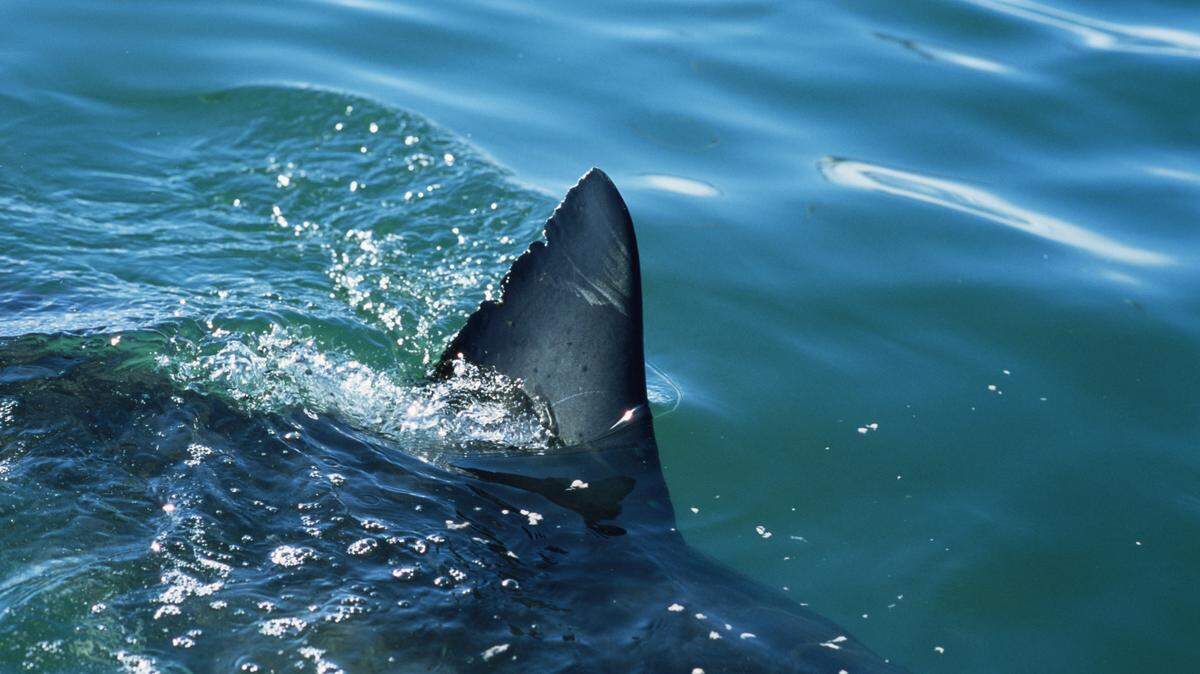
A shark bit a 14-year-old when the teen dove into the water and landed on top of the animal, Florida officials said.
It’s the third shark attack in five days in Volusia County, McClatchy News reported.
The Flagler County teen was attending a junior lifeguard training camp during the July 8 incident at a Ponce Inlet beach, according to Volusia County Beach Safety.
At around 11:15 a.m., the boy dove into the water on top of the blacktip shark, which witnesses said was 4 to 5 feet long.
The shark bit his calf, sending him to a hospital with non-life-threatening injuries, according to beach safety officials.
The incident occurred at the beach north of the Ponce Inlet jetty.
The most recent bite comes a few days after two back-to-back attacks in New Smyrna Beach, just south of Ponce Inlet.
On July 4, an Ohio man playing football was bitten in knee-deep water, and the next day, a shark bit a Sarasota man who was wading in an inner tube, McClatchy News reported.
Volusia County has been unofficially dubbed the shark bite capital of the world, according to The Daytona Beach News-Journal, and data suggests that name may have some merit.
The International Shark Attack File has recorded 351 unprovoked attacks in Volusia County, far more than any other county in Florida and more than any other single state in the U.S.
Ponce Inlet is on Florida’s Atlantic coast and is part of the greater Daytona Beach area.
Shark attacks
Shark attacks are “extremely rare,” according to John Carlson of the National Oceanic and Atmospheric Administration.
“You have a better chance of getting in a car accident and being injured on your way to the beach than you do actually when you get to go swimming,” he said in a video posted to NOAA’s website.
In 2023, the Florida Museum of Natural History’s International Shark Attack File investigated 120 shark-human interactions worldwide. Of those interactions, 69 were unprovoked shark bites, and there were 14 “shark-related fatalities.”
If you see a shark in the water, however, don’t panic, Richard Peirce, former chair of the Shark Trust and Shark Conservation Society, told CNN.
“Don’t start splashing around – you’re just going to excite, incite and encourage the shark’s interest,” he told the news outlet.
Instead, maintain eye contact with the shark and read its body language. If the shark appears to be in “attack mode,” you should make yourself as large as possible, CNN reported. If it seems to just be swimming by, try to stay small.
If the shark attacks, experts told CNN you shouldn’t play dead.
“You must try and keep the animal in sight and very slowly and gently try and swim backwards and get into shallow water,” Peirce told CNN. “Again, you’ve got to be careful – large sharks can attack in very shallow depths.”