Baby manatee found alone after hurricane hits Florida. Watch her second chance
When Hurricane Idalia made landfall on Florida’s Nature Coast, communities were hit with pounding wind and floodwaters reaching chest height in some areas.
As those communities begin to rebuild, officials are also helping other victims of the storm — Florida’s wildlife.
On Sept. 1, the Florida Fish and Wildlife Conservation Commission’s Marine Mammal Rescue team was called out to Walls Springs Park in Palm Harbor after a very small manatee was spotted swimming by herself.
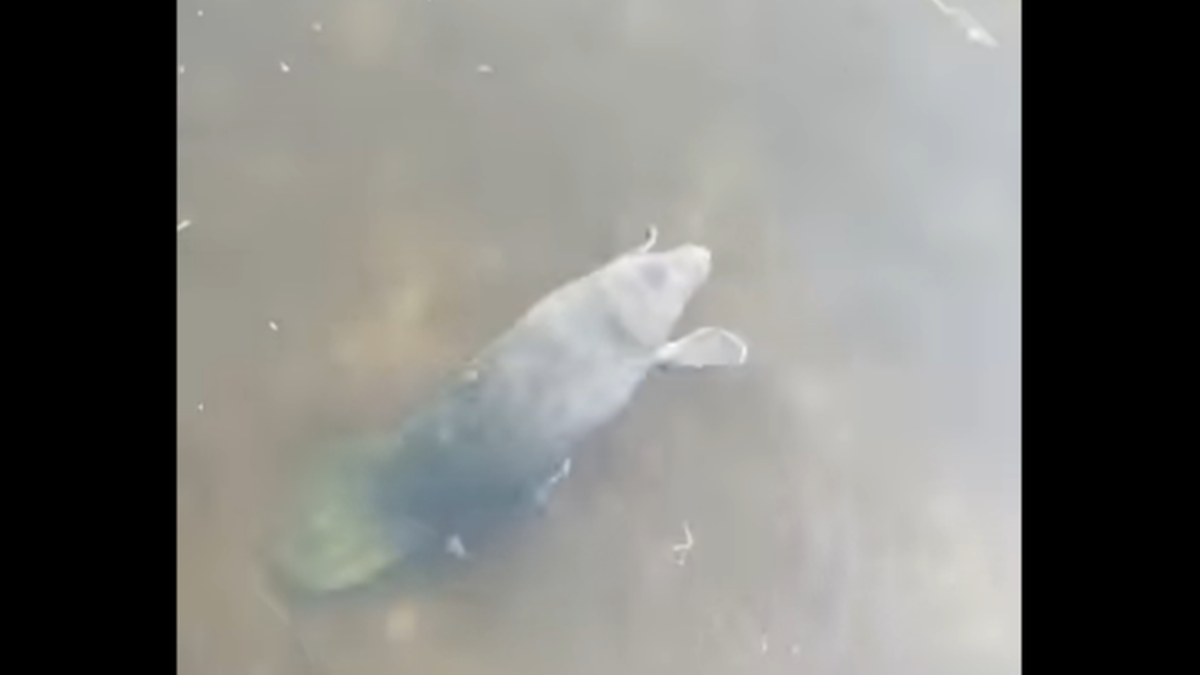
Manatees, native to Florida’s coastlines and extensive river and spring network, can experience entrapment following large storm surges, according to a video shared by the FWC.
Entrapment occurs when the water level rises above normal heights, connecting areas of water that were previously separated, the FWC said. When the water is connected, manatees can swim to new areas. Then, when the water recedes, they are unable to return to the ocean or river and become stuck and in need of rescuing.
For the baby manatee, entrapment may be the reason she was found completely alone.
Manatees usually need to be with their mothers for the first two years of their life, so with her mother nowhere in sight, the rescue team knew she wouldn’t survive without an intervention.
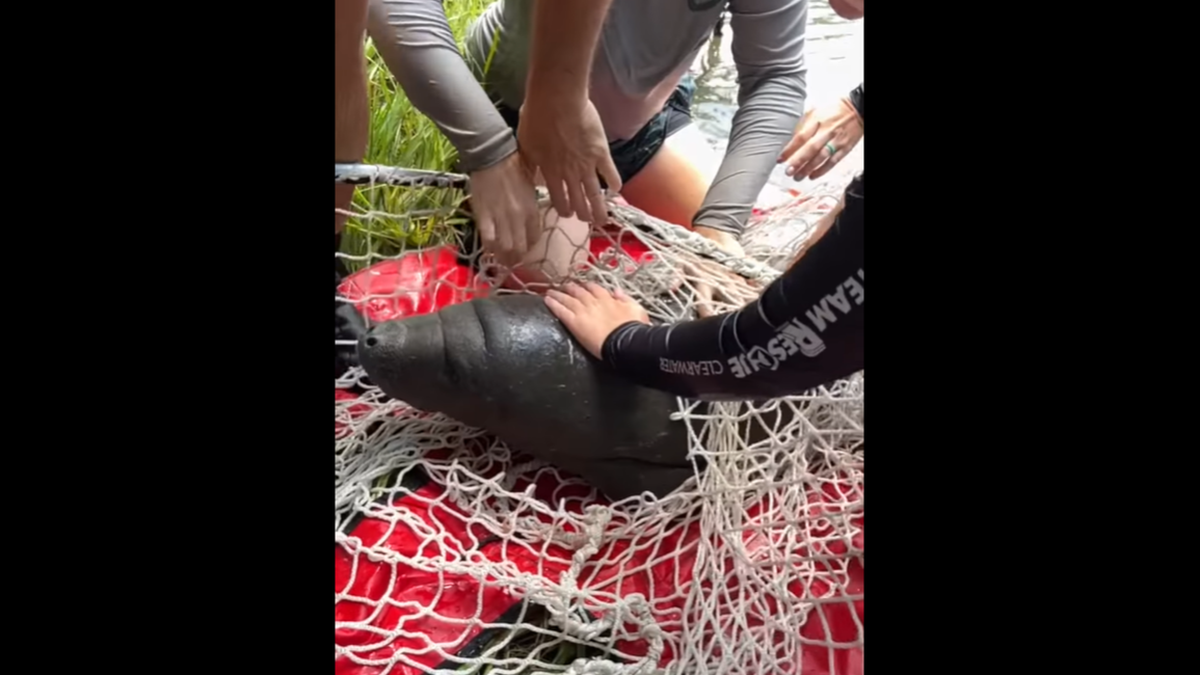
They circled the baby with a net and corralled her to the shore, lifting her out of the water into a transport truck headed for Zoo Tampa.
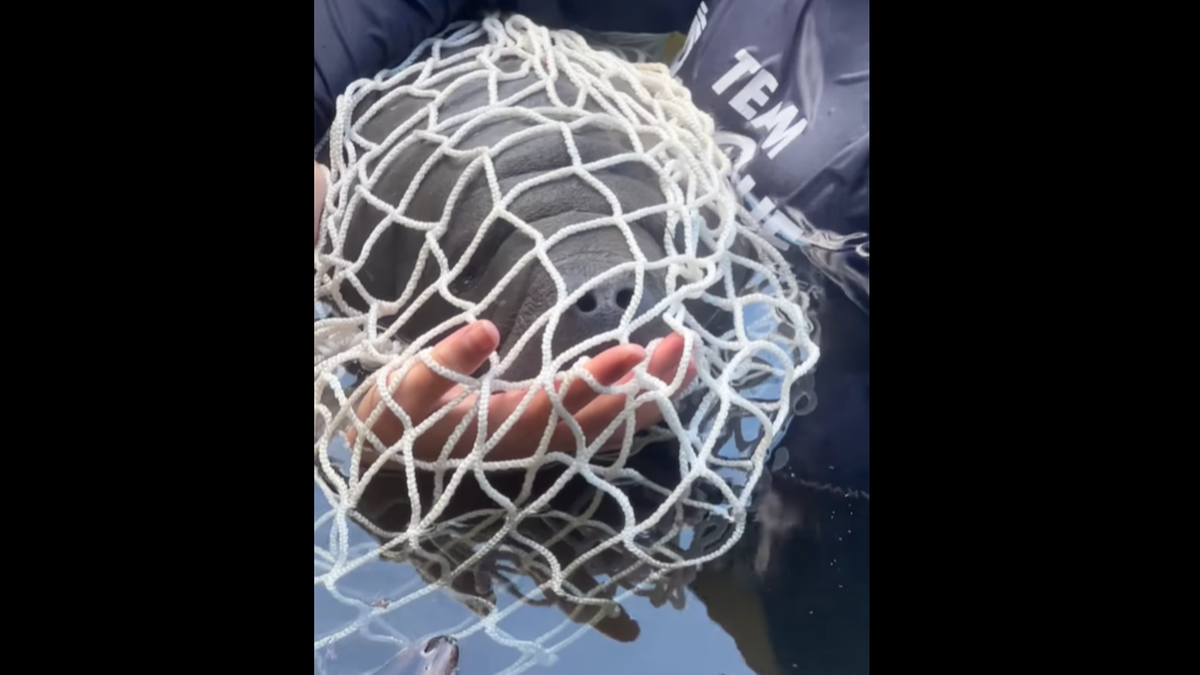
Molly Lippincott, senior curator of Florida and marine life at Zoo Tampa, said the manatee was just 87 pounds when she arrived at their rehabilitation facility.
Manatees can be anywhere from 60 to 70 pounds when they are born, she told McClatchy News in a phone interview, meaning the manatee wasn’t a newborn, but still very young.
“Her body condition was pretty good. She definitely wasn’t super skinny, she had been fed well recently,” Lippincott said. “One of the things we check pretty often with calves is a blood glucose level, and hers have been appropriate.”
Lippincott said orphaned manatees are particularly challenging to rehabilitate.
When baby manatees are growing, they gain about a pound per day, Lippincott said. This makes the first few months of feeding crucial for a successful rehabilitation.
The goal is for all rescued manatees to eventually make it back into the wild, so while this baby female will need to start bottle feeding, the animal care staff will work to make sure she doesn’t get too accustomed to people, Lippincott said.
“In the meantime, we are balancing making sure she has enough nutrition and fluids,” Lippincott said. “They all start out for the most part on some sort of clear fluid, like pedialyte or electrolytes, then we start building up a formula.”
The formula, originally created by SeaWorld veterinarians and tweaked by the Zoo Tampa staff, is tailored to each individual animal to best suit their nutritional needs, Lippincott said.
Over the next two years, the baby will continue to bottle feed before eventually moving to solid foods more similar to her natural environment. Once she reaches a safe 600 pounds, she will be eligible for release.
“That is the size where a satellite belt or tag will fit around her and she will be an animal that will need to be tracked when she’s released since she was rescued so young,” Lippincott said. “Since she won’t be taught by her mother, we have to do that for her.”
Lippincott said the Zoo Tampa team releases rescued animals during winter months, the toughest for a manatee, to make sure they know to stay in warmer waters.
For a baby rescue like this one, she will only be successful in the wild if she learns the natural patterns of adult manatees.
“We learn something new every year. We’re able to tweak what we’re doing and it’s very successful if we set them up for success and get them to the proper weight,” Lippincott said. “If she’s doing well and she migrates like she should, then she’ll get her tag taken off and, basically, we hope to never see her again. That’s the best case scenario.”
Palm Harbor is about 25 miles northwest of Tampa.