Why did your phone screech an emergency alert at 4:45 a.m.? Florida just apologized
UPDATE: This story has been updated to include critical event management company Everbridge CEO David Wagner’s April 24 response.
Bet you got up early Thursday morning.
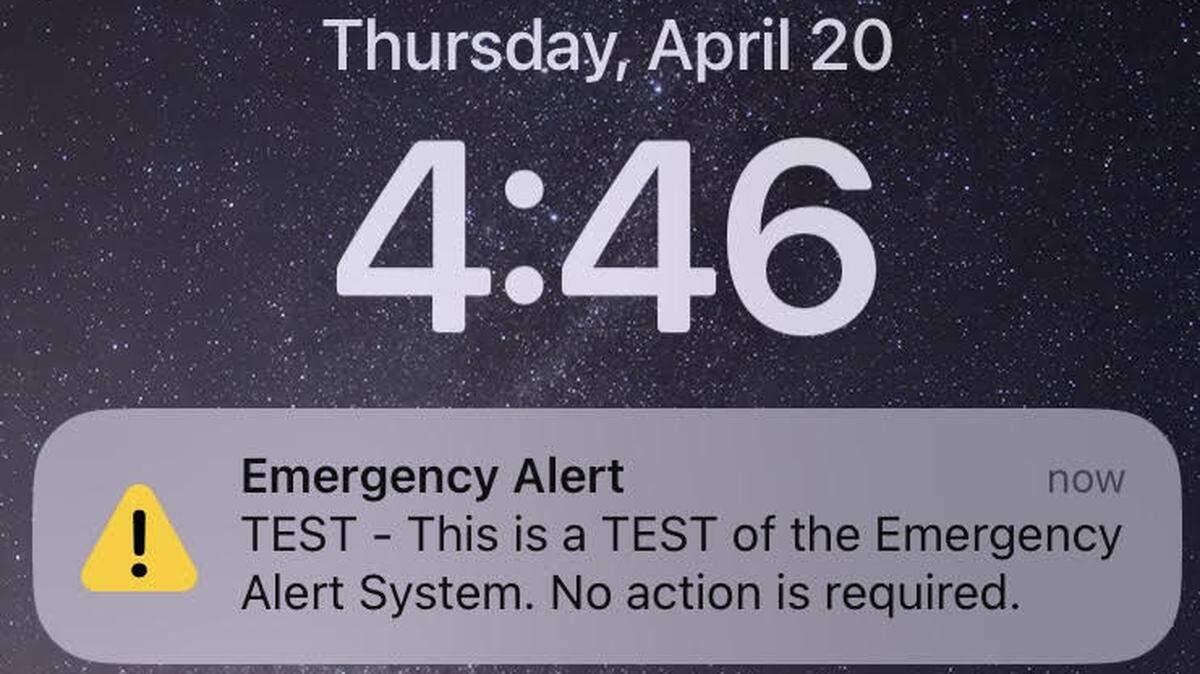
If social media is any indication, many of you are furious that you were startled awake by the screeching alarm from your phone at 4:45 a.m. to let you know that the Florida Association of Broadcasters was testing its emergency alert system.
Here’s what to know:
The testing
What happened: Although an early morning broadcast test was planned, the blaring test alert sent to phones as a text message was apparently a mistake.
Reaction: Miami publicist Connie Crowther’s Facebook comment was representative: “Stink bombs and middle fingers raised high to the sorry creep who tested the emergency alert system at 4:46 a.m. today, awakening everyone with a cell phone with a piercing alarm that needed to be turned off. May you encounter many flaming bags of dog poop on your front step, you idiot!”
Governor’s reaction: Florida Gov. Ron DeSantis is none too pleased, either. At 10:45 a.m., DeSantis tweeted: “I’ve ordered FL Division of Emergency Management Director Kevin Guthrie to bring swift accountability for the test of the emergency alert system in the wee hours of the morning. This was a completely inappropriate use of this system. Stay tuned.”
A little over an hour earlier, DeSantis’ press secretary, Bryan Griffin, vowed to fire the unnamed individual who triggered the test.
“This morning’s 4:45AM SERT test alert was not appropriate and not done at our direction,” Griffin tweeted. “The party responsible will be held accountable and appropriately discharged.”
Action? Florida Sen. Blaise Ingoglia even threatened to file a bill to stop these tests from occurring between 10 p.m. and 8 a.m. “I’m 100% serious. I’m gonna call it the ‘Stop Wake Act.’ I need a house sponsor,” he tweeted Thursday morning. Ingoglia, a Republican, represents Florida’s District 11 that encompasses Citrus, Hernando, Sumter counties and part of Pasco county.
Florida’s reaction
Emergency management statement: In addition to Gov. DeSantis’ reaction, late Thursday the Florida Division of Emergency Management terminated its contract with the Massachusetts-based Everbridge software company that has provided coding for emergency alerts for Florida since 2016, confirmed Amelia Johnson, deputy director of communications and external affairs for the Florida Division of Emergency Management. The contract was to expire in 2024.
“Emergency alert testing directives originate from the federal government. This morning’s test was supposed to be a test of televised emergency alerts, which the Florida Association of Broadcasters normally schedules for very early in the morning because that is when the fewest people are watching TV (to minimize disruption),” the statement said.
“Florida contracts with a company called Everbridge to provide the technical coding and instructions required to push out emergency alerts. Everbridge sent the wrong technical specifications for this alert — which ultimately pushed the alert over the Wireless Emergency Alert system (cellphones),” the division’s statement continued.
“Good government identifies errors, corrects them expediently, and holds people accountable when appropriate. The Division recognizes that this error was unacceptably disruptive and will correct it.”
The Miami Herald reached out to Everbridge for comment.
Everbridge’s reaction
On April 24, Everbridge CEO David Wagner posted a letter to Floridians apologizing for the error.
“If you or anyone you know was awakened by a test alert on your phone at 4:45 a.m. on Thursday, April 20, I’m sorry,” Wagner wrote.
Wagner explained the cause was human errors that took place in violation of a number of precautionary steps that should have been followed prior to the release of any emergency notification, Everbridge said in a statement.
“Our job at Everbridge is to give you and all of Florida’s emergency departments, at the state and county level, peace of mind so you can sleep through the night knowing you will be awoken and alerted if there is a hurricane or an imminent life-threatening event. The last thing we want to do is wake you up when you should be asleep,” Wagner wrote in the letter.
“Customers who operate our systems run monthly tests, required by the Federal Emergency Management Agency, on mobile and broadcast networks to keep you informed. In this instance, our system delivered the message as designed — that’s the good news. The bad news is a live message was inadvertently sent to millions of residents’ cellphones, instead of a notification sent only to Florida broadcasters. That notification should not have been sent to you,” he wrote.
What is this emergency test?
What the alerts do: The state’s emergency management team operates this system to alert people to scenarios that require immediate attention such as weather alerts regarding floods, approaching tornadoes or hurricanes, Amber Alerts of missing children or other public safety concerns.
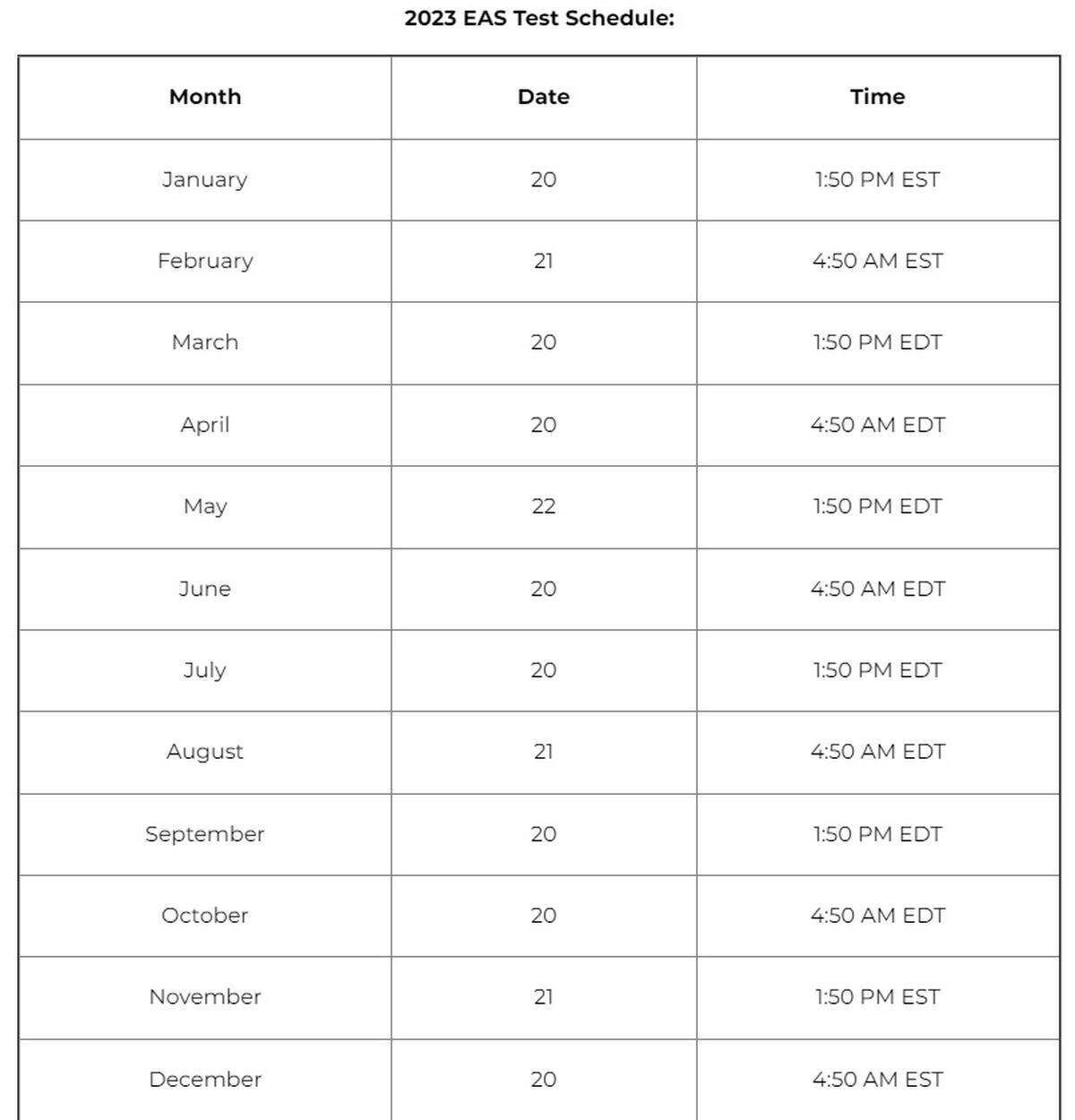
Monthly: The FAB tests its system every month, alternating alerts between 1:50 p.m. and 4:50 a.m.
Apology: Apparently, Tuesday morning’s test was supposed to be on television and not via mobile devices. The Florida Division of Emergency Management issued an apology via Twitter at 8:40 a.m.
“We are taking the appropriate action to ensure this will never happen again and that only true emergencies are sent as alerts in the middle of the night,” the department said in its social media post.
FAB did not respond to Miami Herald inquiries via email or phone. The department’s voicemail system was full and not accepting any messages.
When are the next tests?
Schedule:
▪ FAB posted its emergency alert system testing schedule on its website.
▪ The tests are always around the 20th of each month and alternate between afternoons and mornings.
▪ The next test is scheduled for 1:50 p.m. May 22.
Can you shut off the alerts?
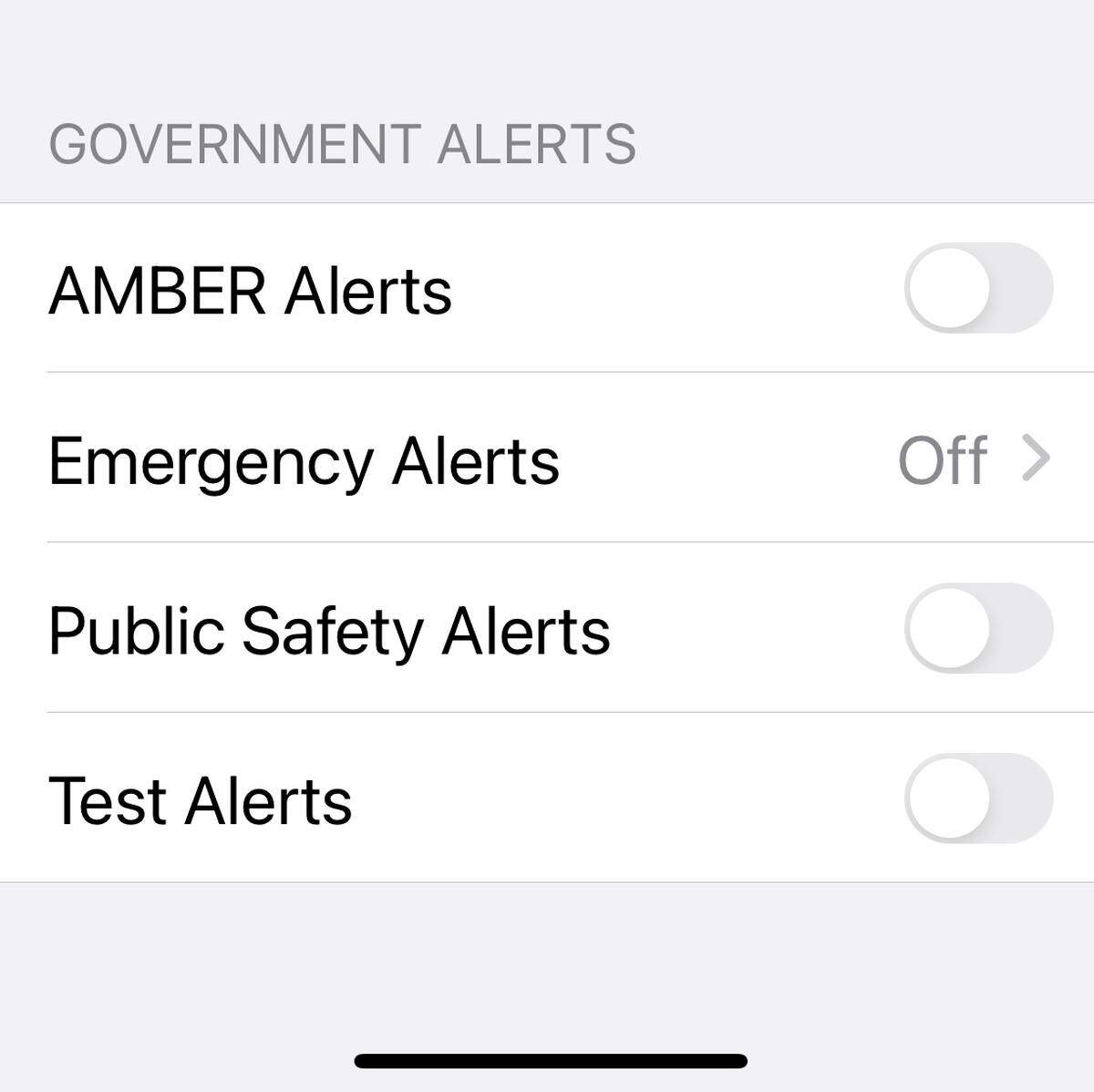
How to: You can shut off mobile alerts easily by going into your iPhone or Android settings, scrolling to Notifications, and clicking off the alerts you no longer wish to hear or see, such as Amber, emergency, public safety and test alerts. And you can simply turn your TV off at 1:50 p.m. or 4:50 p.m. at that month’s scheduled test time to avoid hearing the screech.
Risk: If you do tick off your alerts so as not to be ticked off in the bleary wee morning you may miss alerts you ought to know about and prepare for, like flash flood warnings, tornadoes in your neighborhood or approaching storms.
Robert Molleda, a warning coordination meteorologist with the National Weather Service, sent a plea to news media Thursday afternoon.
“We STRONGLY discourage individuals from deactivating these alerts. Deactivating alerts can prevent people from receiving critical, life-saving weather warnings from the National Weather Service. These weather warnings can often occur when people are sleeping. A NOAA Weather Radio is also recommended as another source of these weather warnings,” Molleda said.
Florida’s Division of Emergency Management also urged the state’s cellphone users to not disable the alert functions.
“The Division stresses the importance of being able to receive emergency alerts as disasters can happen at any time and these alerts save lives. Please do maintain emergency alert notifications on your cellular device — we will ensure they are used appropriately henceforth.”
This story was originally published April 20, 2023 at 9:58 AM.