
Hurricane Ian is about to change Florida oranges — and not in a good way
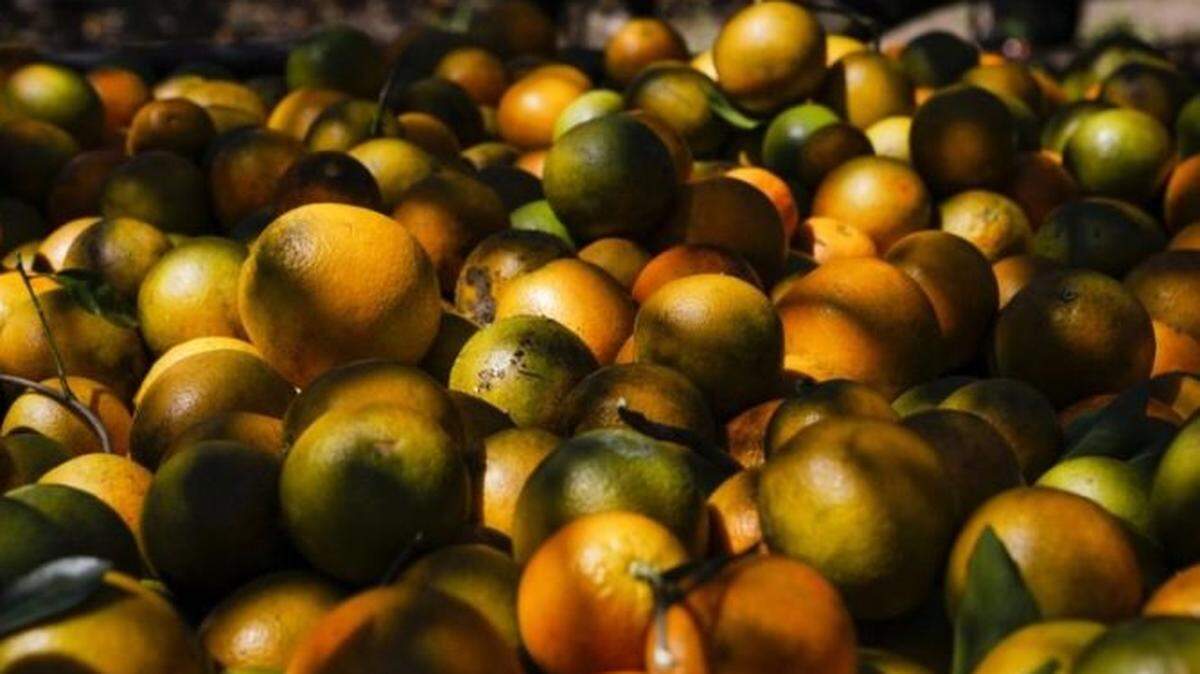
Consumers can expect the price of Florida citrus to increase, partly because of Hurricane Ian.
A 2022-23 crop forecast the U.S. Department of Agriculture includes a decrease in production of Florida orange, grapefruit and specialty crops — mostly tangerines and tangelos. The survey was take before the hurricane.
According to the Department of Agriculture forecast, 28 million boxes, that’s 1.26 million tons, are down 32 percent from last season’s final tally. Navel varieties were forecast down 40 percent from last season and the Valencia orange forecast was down 25 percent.
The industry has struggled for years with issues such as deadly citrus-greening disease, and the surveys found trees showing smaller-sized fruit and fewer oranges per tree.
After the hurricane, further production decreases will likely mean even more scarcity —and higher prices at the grocery store.
Florida citrus growers face the possibility of producing the smallest crop since the Great Depression.
“As we move forward in the wake of this disaster, rest assured that I remain steadfast in my support of our Florida citrus growers,” Florida Agriculture Commissioner Nikki Fried said in a statement on Wednesday. “And my department remains committed to innovation in the face of the ongoing challenges of weather events like Ian, citrus greening and unfair trade practices.
“It is heartbreaking to see such an iconic Florida industry hurting right now.”
A December forecast will reflect updated inspections of groves.
Fried said that the current citrus forecast, surveyed prior to Hurricane Ian, will be “an invaluable baseline for growers, processors, packers and government in predicting additional crop loss.”
The industry during the 2021-2022 season had its lowest output in eight decades. Along with citrus greening, growers also face increased demand for land in the rapidly developing state, higher labor costs and foreign competition.
The state budget that went into effect July 1 included $37 million for the citrus industry, with the biggest chunks of money being $17 million for Department of Citrus marketing programs, $8 million for research programs, and $6.2 million for what is known as the Citrus Health Response Program, which includes cultivating new trees resistant to greening.
This report is from Miami Herald news partner CBS Miami.
This story was originally published October 13, 2022 at 6:25 AM.