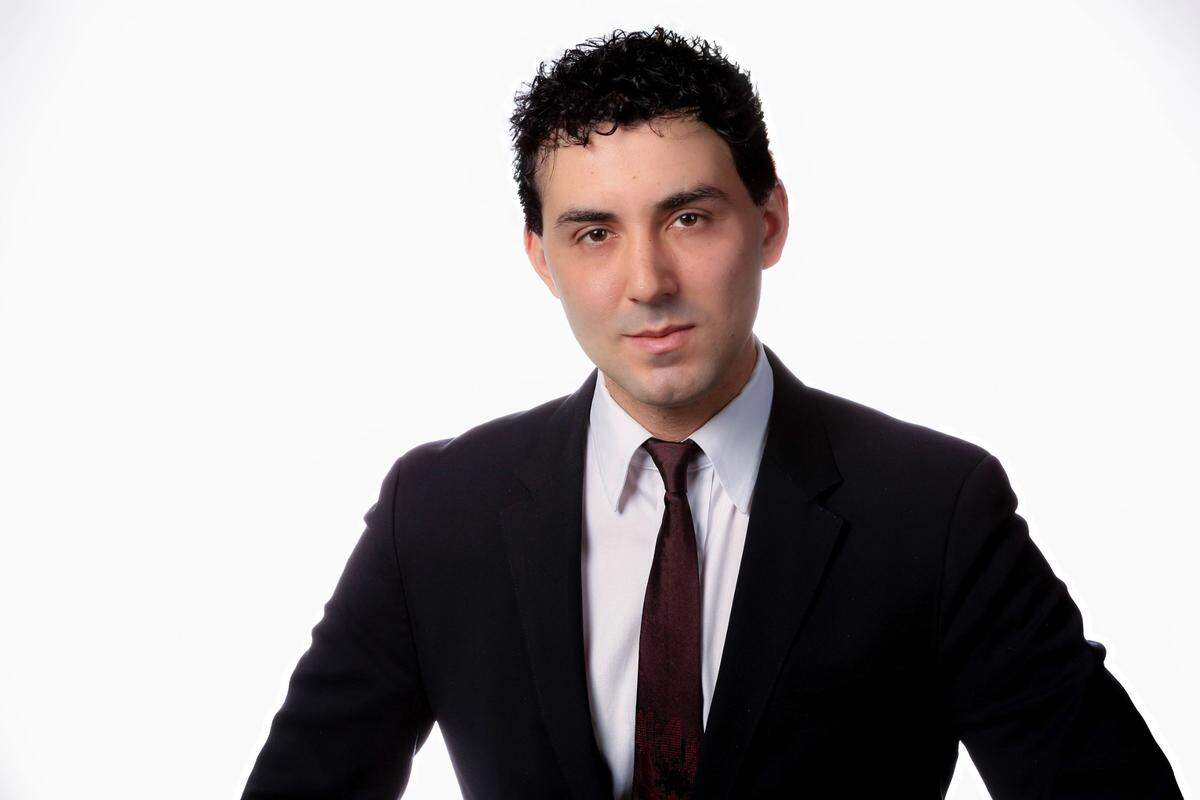
Texas rabbi in hostage drama and Florida rabbi harassed by neo-Nazis make plea to Congress
A neo-Nazi group stationed outside Rabbi Yosef Konikov’s Chabad center in South Orlando, Florida, several months ago used loudspeakers and antisemitic signs to target the Jewish institution. They encouraged passing motorists to honk if they agreed. Several did.
“Thank God, most people didn’t honk their horn. But every once in a while, there was a horn being honked, which was very, very disturbing,” Konikov testified before a congressional hearing in Washington on Tuesday. “They want to bring out other people to follow them. And I think that each event that occurs in the United States increases the danger.”
That same group staged neo-Nazi demonstrations in Orlando two weeks ago.
Konikov was in Washington with other Jewish leaders to support a plan to roughly double funding for a federal grant program that helps faith-based institutions fortify themselves against hate crimes and terrorist attacks.
The need for security was further underscored three weeks ago when an armed hostage taker held four people captive for hours at a synagogue in Colleyville, Texas. The drama ended safely for the hostages when they made a dramatic escape, and the attacker was fatally shot by law enforcement.
Jewish leaders told a Homeland Security subcommittee that the federal program was not only deficient in funds, but so complex to navigate and slow to deliver that it made the available dollars extremely difficult to unlock.
Roughly half of all applicants for funding from the Nonprofit Security Grant Program, which has $160 million available each year, are denied. Rejected applicants are given no explanation from the Federal Emergency Management Agency whether their denial was due to a lack of funds, problems with their forms, or insufficient cause.
Congregation Beth Israel in Colleyville has been hailed as a real-world success story of the program. With a federal grant, the synagogue was able to upgrade its security camera system that ultimately allowed law enforcement to track the movements of the gunman attending Shabbat services there on Jan. 15.
But even its rabbi, who was one of the hostages and led a daring escape that night, says the program is insufficient to meet the threats of the moment.
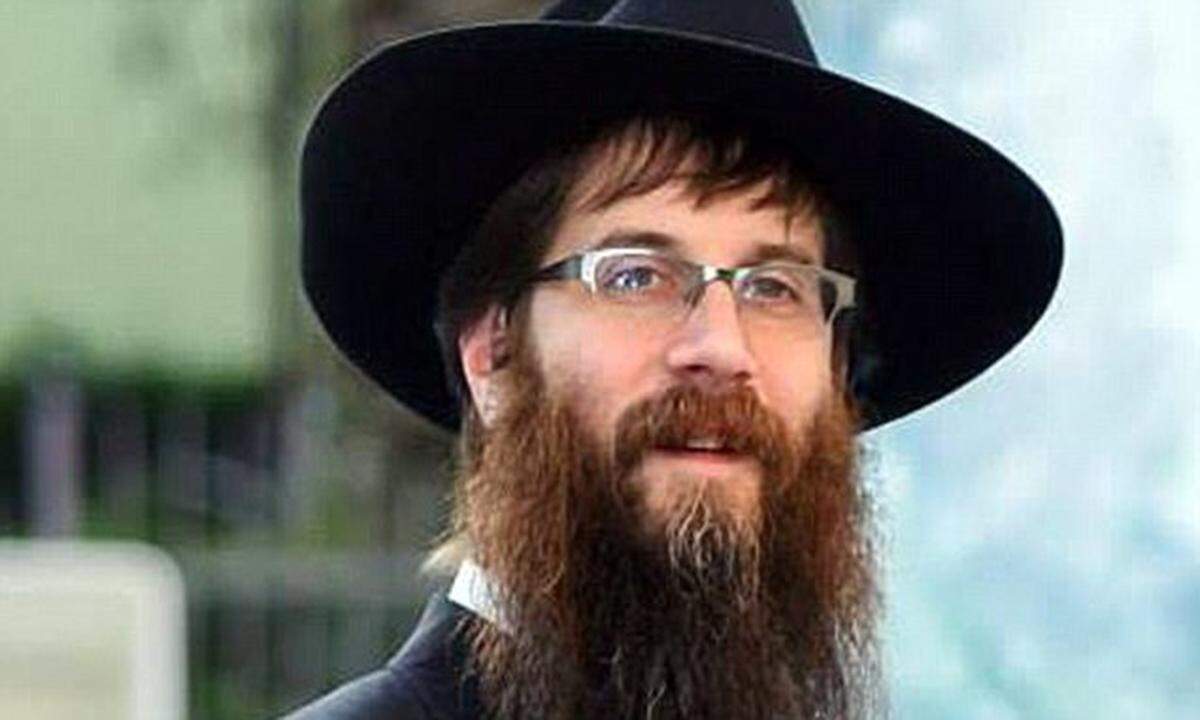
“My understanding is that the funding is not at a level where it can meet the urgent needs of the communities it was created to protect,” Charlie Cytron Walker, rabbi of the Colleyville congregation, told the congressional hearing Tuesday. He said it took the goodwill of a volunteer in his congregation to slog through the federal grant application process.
“Every congregation needs to be prepared, yet the gap between the need and funding is profound,” he said.
Konikov, from Chabad of South Orlando, told the House hearing that a doubling of funds to $360 million might not be enough.
A neo-Nazi group stationed itself outside of Konikov’s Chabad center several months ago and again two weeks ago, generating headlines around the nation.
“The NSGP is an amazing program, but it’s a very competitive one, and fewer than half of applicant sites were awarded nationally last year,” Konikov said. “We did receive a grant in 2020, but then COVID hit and red tape has caused delays. Despite the award, we have not been able to implement the grant yet, sadly.”
Jewish leaders have complained that the grant applications are cumbersome government forms that are not designed for small religious congregations, many of which are staffed by volunteers, to navigate on their own.
“The authorized equipment list from which you can purchase items is not really designed for faith-based institutions or lay people to take advantage of. It’s the same authorized equipment list if I were running a major gas refinery,” said Michael Masters, national director and CEO of the Secure Community Network, which serves as a liaison between law enforcement agencies and the Jewish community.
The grants are meant to fund security improvements such as bulletproof doors, shatterproof glass, personalized training and improved camera systems. But Jewish organizations are also asking for some funding to be allocated to human resources at FEMA that can help streamline the process for applicants.
Days after the events in Colleyville, Homeland Security Secretary Alejandro Mayorkas expressed support for an increase in funds for the program.
“We must dedicate more funding to this vital effort,” Mayorkas said. “We will be working intensively with Congress to ensure we can increase funding so that our faith-based communities have what they need to upgrade their security and protect themselves against terrorism, hate crimes, and targeted violence. Increasing this funding is a foundational step to reinforcing and fortifying pillars of our community, places that should always remain houses of worship, prayer, gathering and peace.”
A DHS official told McClatchy and the Miami Herald that DHS and FEMA have increased their outreach to potential grant applicants last year, and will continue ramping up that effort through 2022.
“The DHS Center for Faith-Based and Neighborhood Partnerships has distributed NSGP materials — fact sheets, NOFO [notices of funding opportunities], webinar slides, and federal resources links — to more than 63,000 individuals though their national interfaith distribution list,” the official said, and beginning soon will initiate technical assistance webinars for applicants during the 2022 open application period.
The agency has seen an “increase in calls for replication” of the Colleyville incident in online platforms ever since, senior DHS officials said on Monday, issuing a new bulletin in the National Terrorism Advisory System warning of “greater specificity” in calls for attacks against Jewish institutions.
The events in Colleyville have been praised by violent extremist groups on opposite sides of the political spectrum, from online platforms associated with al Qaeda and Islamic State to those run by white supremacist networks, the DHS officials said.
“It doesn’t matter the ideology that’s coming through the door,” Masters said. “There’s an academic discussion on antisemitism — we’re all trying to confront it, it’s well over 3,000 years old. But when we’re talking about the safety and security of people looking to worship and pray, the ideology of the person trying to get in is somewhat irrelevant. We need to make sure that the door is locked.”
This story was originally published February 8, 2022 at 5:05 PM.