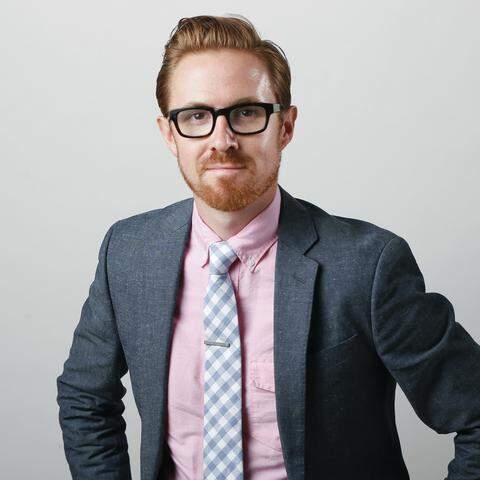
Lawyer who bilked disabled clients out of hundreds of thousands is suspended in NC
For years, a Florida lawyer who represented two wrongfully-convicted, intellectually-disabled half brothers in North Carolina argued that his clients lacked the competency to withstand the coercive interrogations that led to their convictions.
Yet Patrick Megaro also argued that Henry McCollum and Leon Brown were competent enough to enter into complex legal agreements with him — ones that cost the brothers hundreds of thousands of dollars.
McCollum and Brown, accused of the rape and murder of an 11-year-old girl in Red Springs in 1983, spent more than 30 years in prison before they were exonerated in 2014 on the basis of DNA evidence. Megaro soon came to represent them. He led the brothers, both with IQs in the 50s, into predatory loans and kept hundreds of thousands of dollars of settlement money for himself before a federal judge ordered him off the case in 2018.
Megaro faced long-awaited justice this month. A North Carolina State Bar disciplinary panel suspended his law license in this state for five years, and ordered him to repay $250,000 — part of the settlement money Megaro took but that was intended for the brothers who’d trusted him. Megaro, who is still licensed to practice law in Florida, New Jersey, New York, Texas and Washington, can reapply for his North Carolina license after three years, if he’s repaid the money and completed 10 hours of ethics training.
A long list of complaints
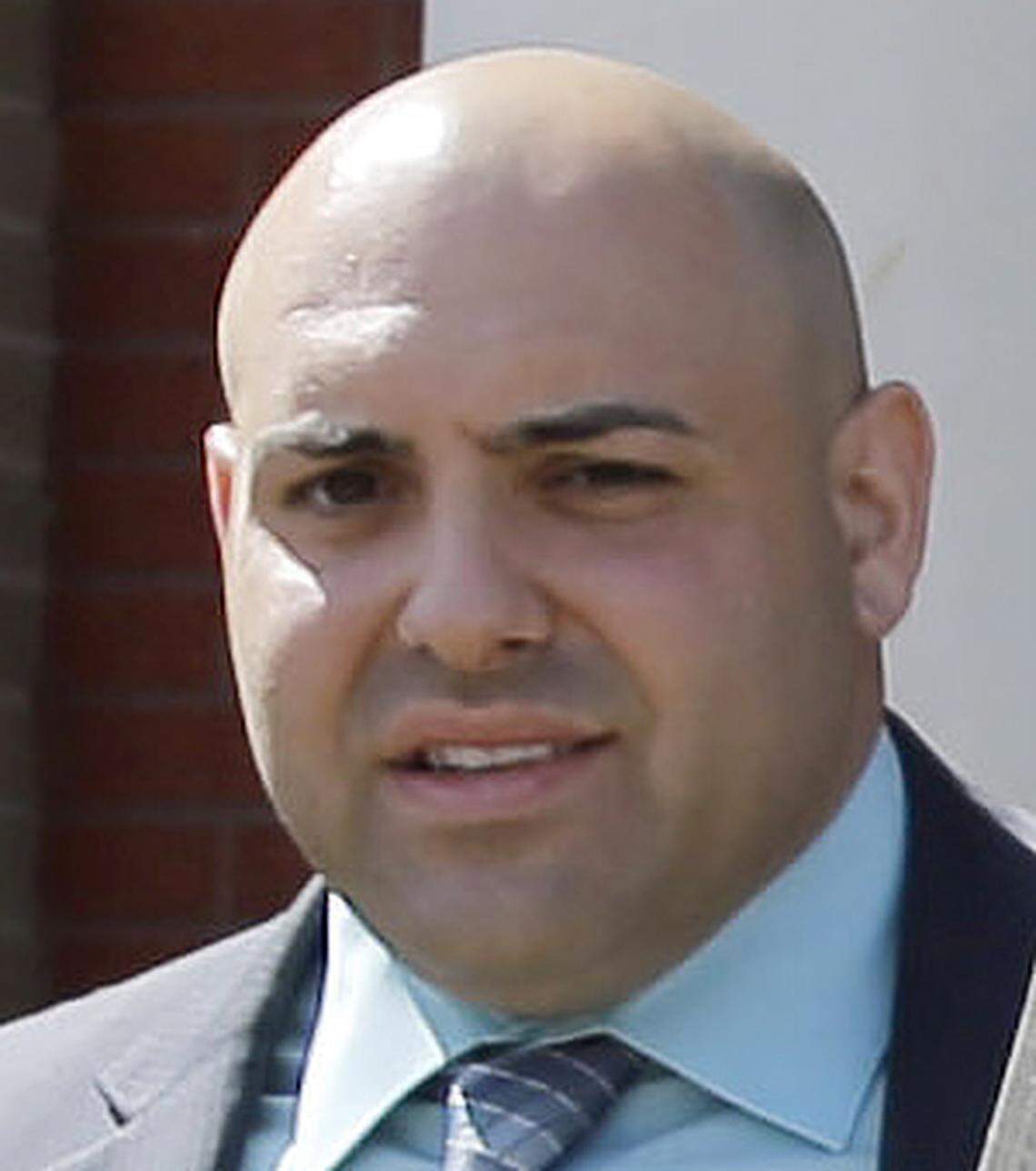
Megaro had faced a long list of complaints and allegations from the State Bar. Among them: that he charged improper fees; that he attempted to argue that his right to a portion of the brothers’ settlement money “would survive termination” of his representation; that he failed to represent the brothers “with competence or diligence;” that he engaged in “dishonesty, fraud, deceit and misrepresentation” in front of the court; that he orchestrated high-interest loans for the brothers when they “were not competent to understand those terms or enter into those agreements.”
Joshua Walthall, a State Bar attorney, argued during the hearing last week that Megaro should have been disbarred in North Carolina. Ken Rose, another attorney who worked on McCollum’s case for 20 years and assisted in the effort to exonerate McCollum and Brown, described in his testimony how Megaro pushed Rose and others off of the brothers’ case after DNA evidence proved their innocence in 2014.
At the time, the brothers were on their way to receiving full pardons of innocence from then-Gov. Pat McCrory. Megaro became involved in the case months before those pardons, which triggered $750,000 payments to both McCollum and Brown. When the state sent a check to Megaro for $1.5 million, to be divided between the brothers, Megaro kept $500,000 for himself.
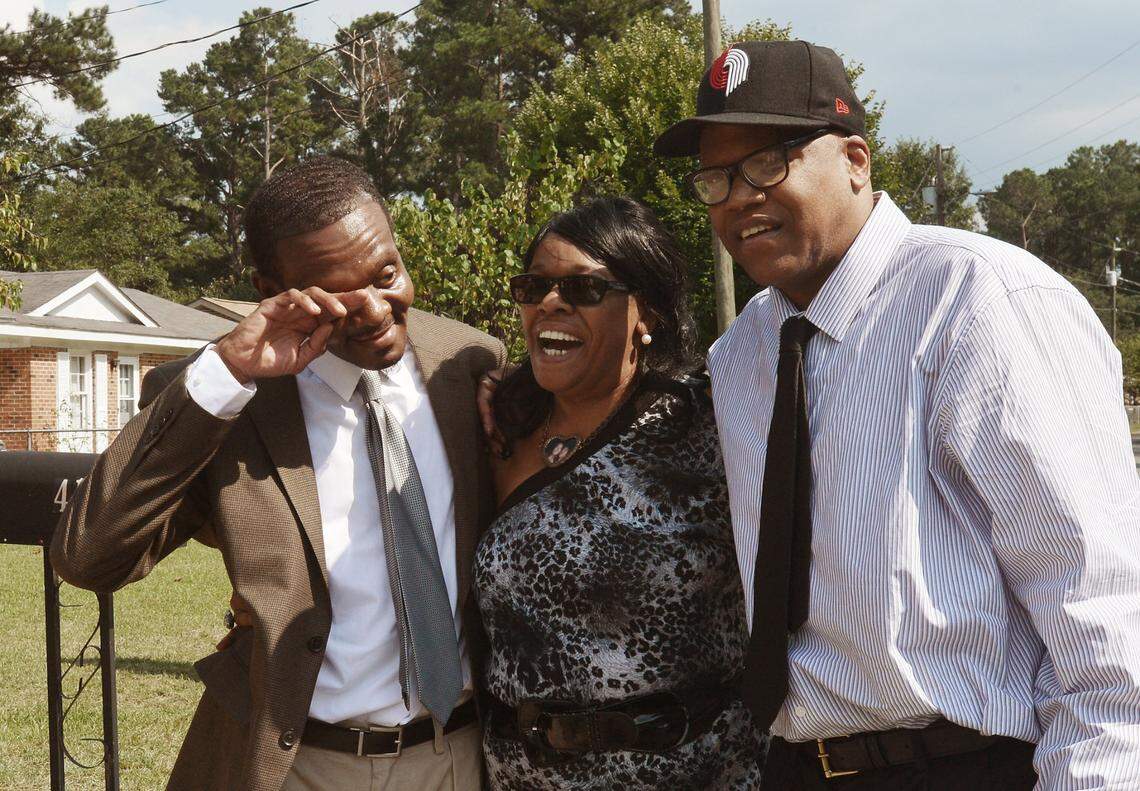
Megaro had convinced McCollum and Brown and their sister Geraldine Brown Ransom, that they were better off with him as their lawyer instead of people who’d advocated for them and worked on their case for years. During his testimony last week, Rose said, “I think they made (McCollum) believe we weren’t being fair with him.”
In 2015, Megaro sent a threatening letter to Rose, demanding that he end his relationship with McCollum, whom Rose had regularly visited while McCollum was on death row. McCollum became North Carolina’s longest-serving death row inmate, while Brown, originally sentenced to die, served most of his sentence in the general prison population.
For 20 years, Rose was among McCollum’s only visitors at Central Prison.
“Every time I saw him, he would say that he was innocent, he didn’t belong there,” Rose said during his testimony. “He couldn’t understand why — why he was there.”
Federal civil rights case
The federal civil rights case that Megaro filed in 2015 has attempted to hold to account the law enforcement investigators that led to McCollum and Brown’s convictions. In the original complaint, filed in 2015, former employees of the State Bureau of Investigation, Robeson County Sheriff’s Department and Red Springs Police Department were named as defendants.
The town of Red Springs in 2017 agreed to pay each of the brothers $500,000 — an amount so low that it became part of the State Bar’s complaint against Megaro. In its complaint, the State Bar noted that “similar wrongful imprisonment cases for fewer years of incarceration and fewer years on death row have been settled for several million dollars.”
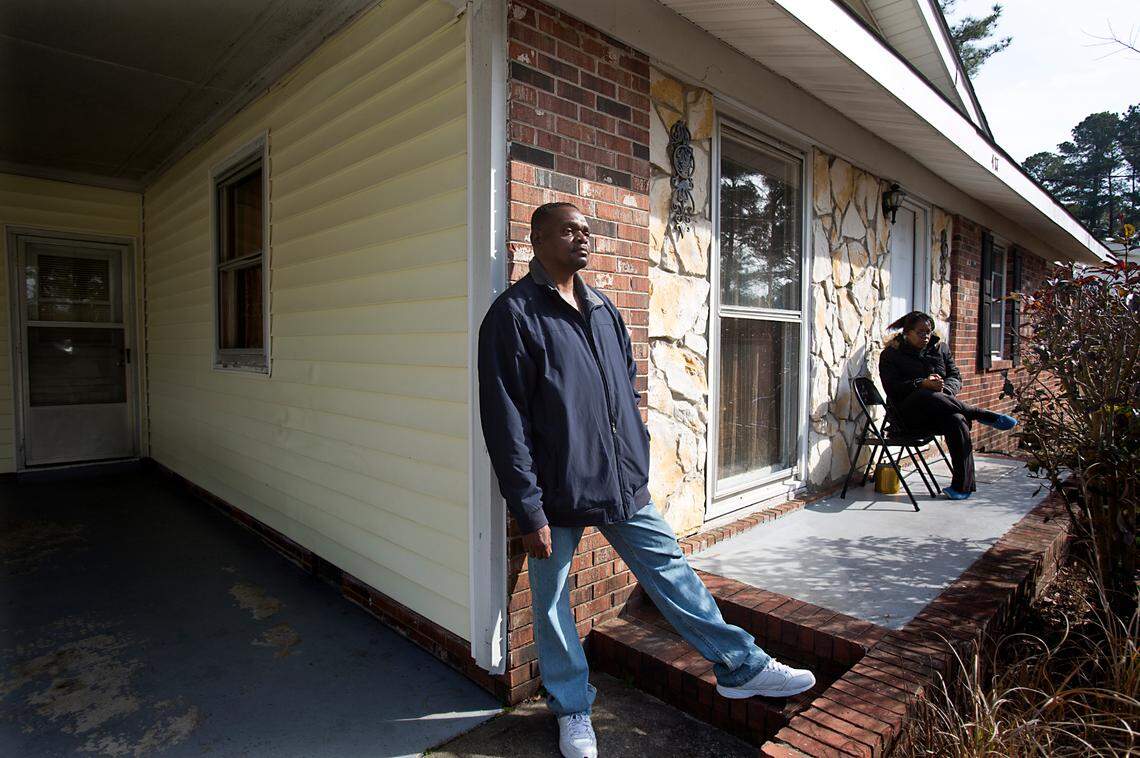
The complaint outlined how Megaro planned to keep 33% of the settlement for himself — as he’d already done with the restitutive payments from the state. According to the State Bar, the settlement agreement with Red Springs would have left McCollum with about 35% of the money owed to him — or about $178,000. Megaro, meanwhile, would have received more than $403,000.
Megaro attempted to argue that McCollum was competent enough to agree to such a deal, though Rose testified that “Henry was easily manipulated. He had very little understanding of things like managing money. He had very little understanding about people who might not want to serve his best interest. He could not handle his financial affairs.”
Rose testified that if he’d been allowed to continue working on McCollum and Brown’s case, they would have received the entirety of the $750,000 payments from the state in 2015. Instead, Rose followed the brothers’ plight from afar — how Megaro siphoned off a sizable chunk of the settlement money, all the while leading the brothers into high-interest loans that wound up costing them even more.
“I felt so bad for him,” Rose said of McCollum. “I felt like he was a victim over and over and over again.” The first of those victimizations happened in 1983, Rose said, the night that McCollum and Brown signed lengthy statements that investigators had written out, detailing their involvement in the crime. The brothers later said they didn’t know what the statements were, and that police told them they could go home if they signed them. Instead they were arrested.
‘A terrible affront to our profession’
Their victimizations continued, Rose said, in prison and now after their release, during Megaro’s representation. During the State Bar’s disciplinary hearing, Rose was asked to describe Megaro’s actions in the context of a lawyer’s mission to serve his clients.
“I think it’s a terrible affront to our profession,” Rose said, “if we’re known as thinking of ourselves, and our financial interests primarily when we’re representing people — particularly people who, A, have no money, B, are disabled and unable to protect their own interest.
“I think that is the worst that we can do.”
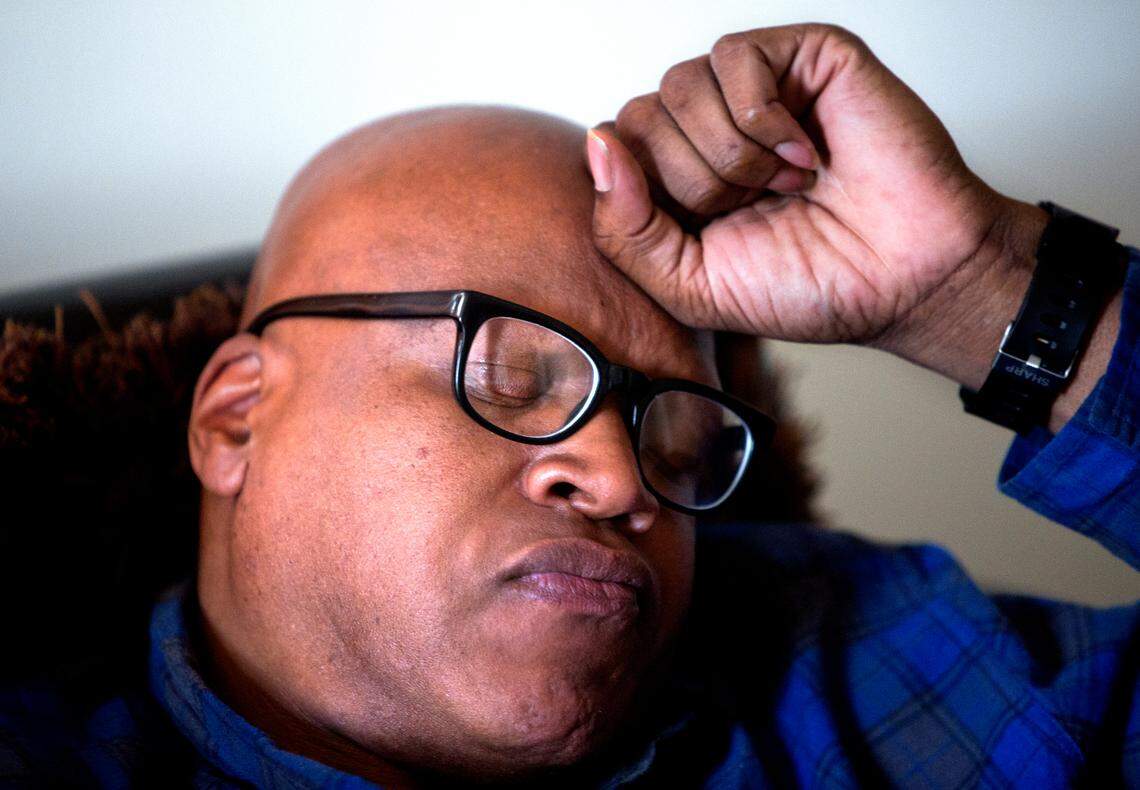
McCollum and Brown received a new legal team in 2018. More than a dozen lawyers are working on their case pro bono, led by a team from the Washington, D.C.-based firm Hogan Lovells. The lawyers for the former SBI agents and Robeson County Sheriff’s deputies have argued that investigators did nothing wrong, and that the brothers’ confessions were not coerced.
The case is expected to go to trial this year, and could begin later this spring.
This story was originally published March 25, 2021 at 2:43 PM with the headline "Lawyer who bilked disabled clients out of hundreds of thousands is suspended in NC."