
What did Publix look like 60 years ago? Well, there were no Pub Subs and BOGOs
The holiday TV ads make us cry. The deli subs make us crazy. The BOGOs make us run and buy.
What is it about Publix that makes us happy just seeing the green trucks after a hurricane? It certainly can’t be those old-fashioned scales that make us cringe every time we weigh ourselves. Or even the prices in a grocery-store world filled with everyday discounters like Aldi, Walmart, Target, Costco and the like.
Perhaps we love Publix because it is ours, home-grown in Florida.
Publix has grown through the years. Not just in the number of stores in the suburbs, but also in the rebuilding of older stores along the denser coast. The supermarkets have added soup bars, gourmet hot-food deli counters, dining rooms in which to eat your Pub Sub.
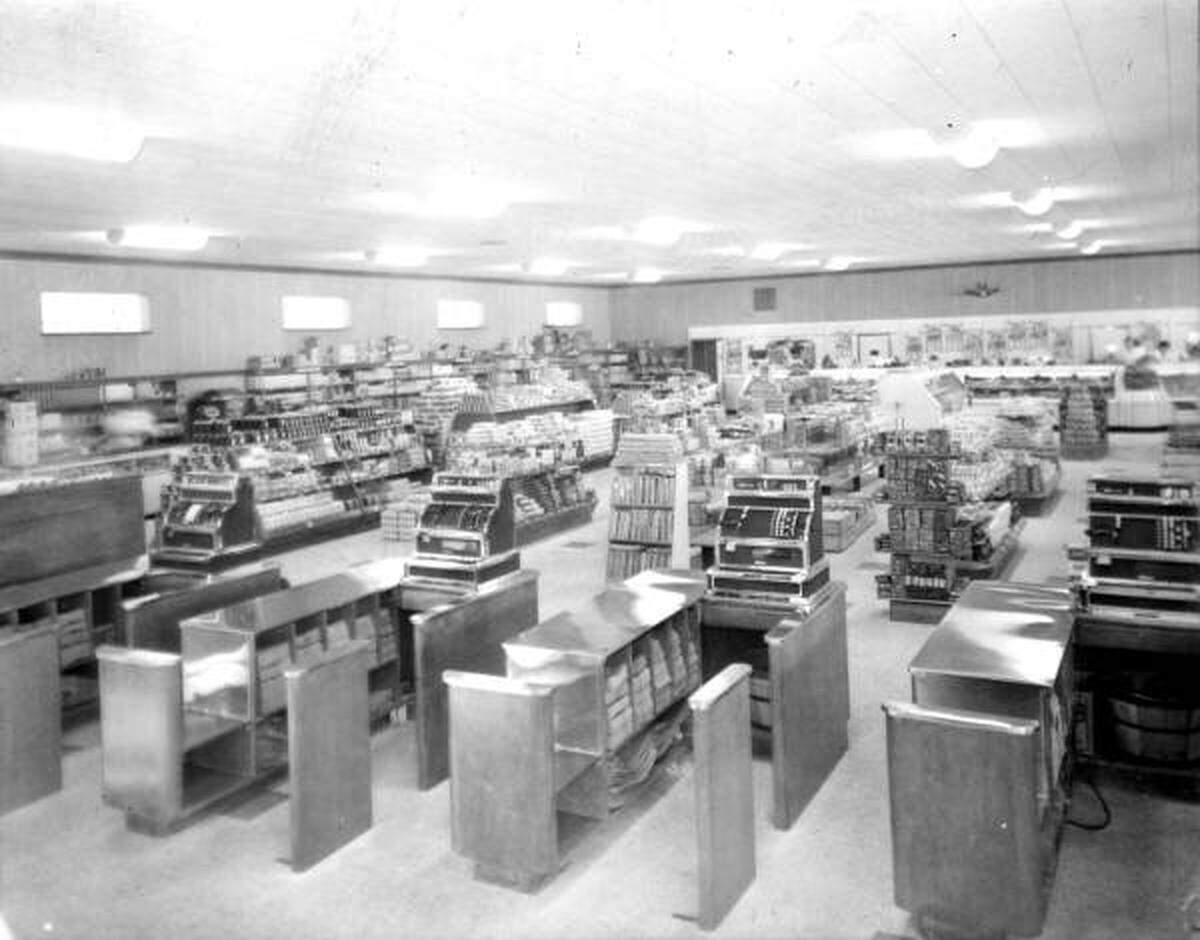
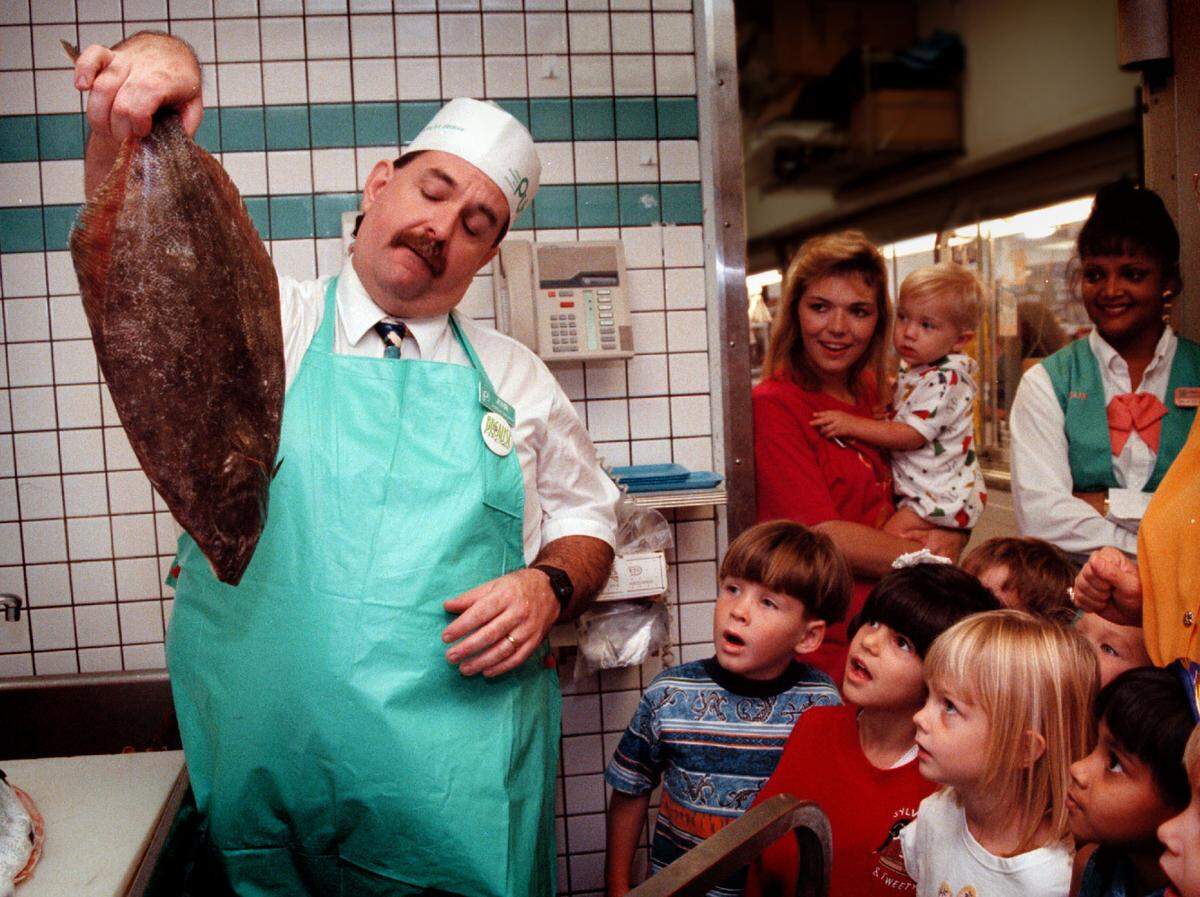
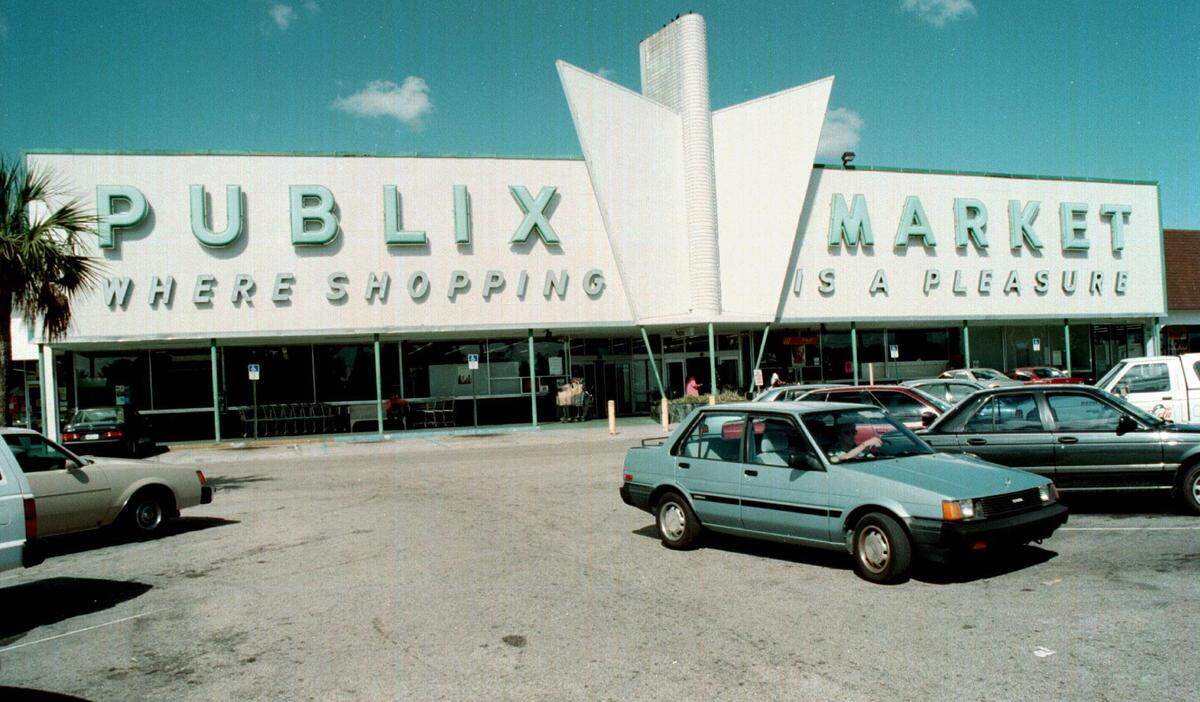
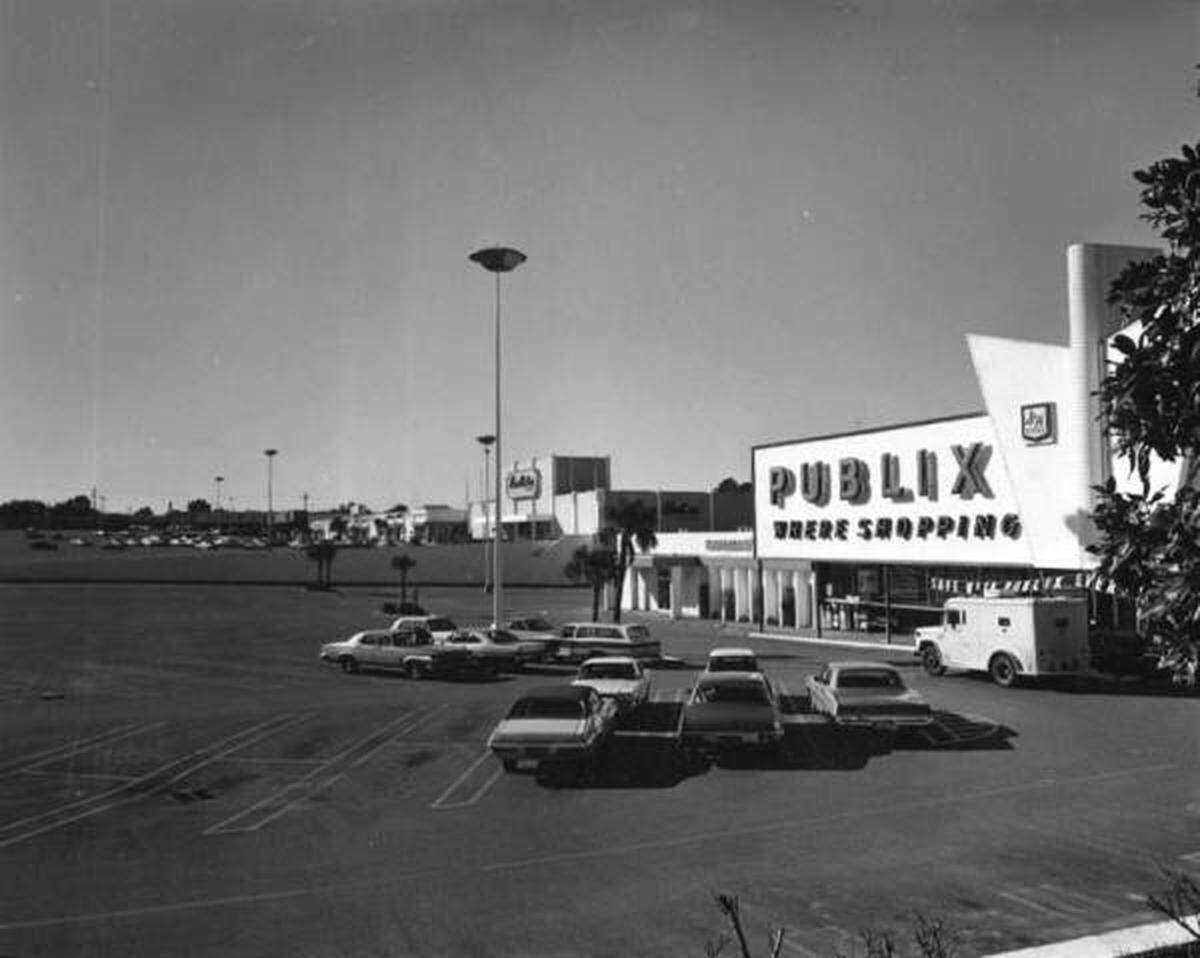
Through the Miami Herald archives, here is a look back at Publix, along with photos of what the store looked like in the ‘50s, ‘60s and ‘70s.
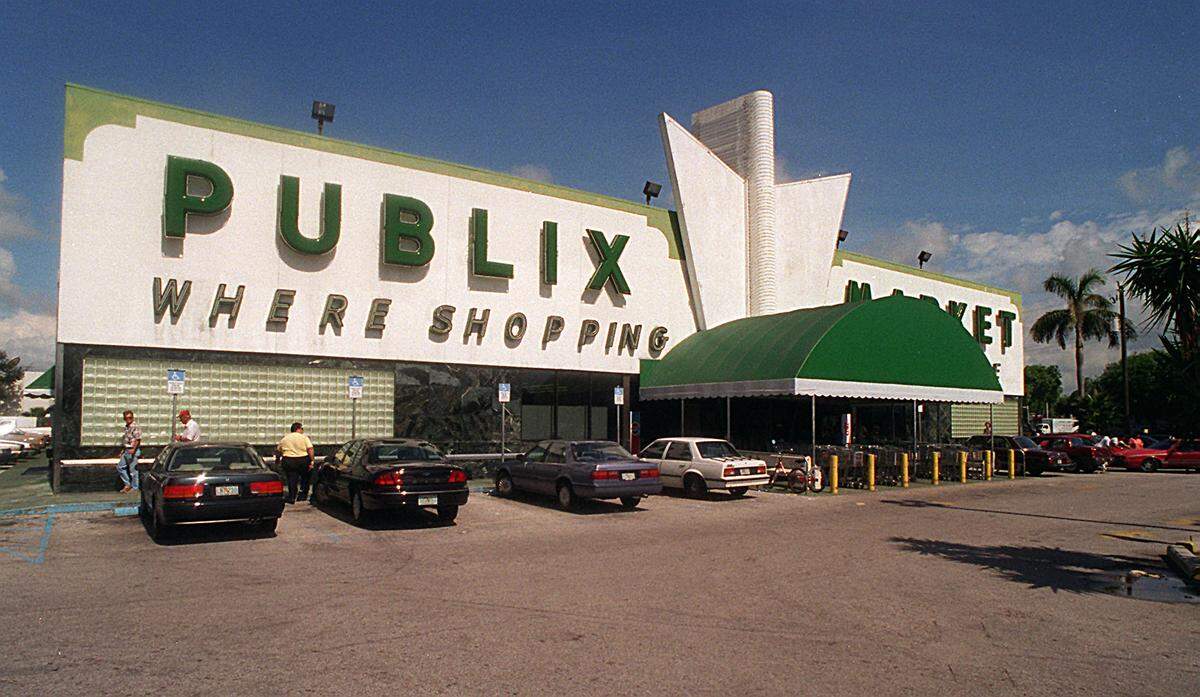
THE PUBLIX PROFILE
Published May 11, 2015
In the fiercely competitive fight for consumer dollars waged in Florida’s grocery store aisles, Publix Super Markets is widely seen as the champ, hanging tough as the market leader among the state’s chains.
Publix is in the arena with heavyweights, fending off competitors such as Whole Foods, Target, Sedano’s and Winn-Dixie in an industry where profit margins are razor-thin. It also takes hits from neighborhood food markets and even dollar stores. Walmart, the country’s largest food retailer, pummels Publix the hardest, especially when it comes to offering customers cut-rate prices.
Lakeland-based Publix, however, which was born during the Great Depression, has flourished as Florida’s population expanded and millions of people sought food for their tables. It has survived waves of retail challengers and fluctuating business cycles. And its six-state network, revenues and profits are driven by its customer service, quality products and constant investment in new stores, industry experts say.
“Publix is one of the few grocers to have gotten bigger and stronger in the Walmart era,” said David Livingston, a Wisconsin-based supermarket analyst and managing partner at DJL Research. Other stores that lacked Publix’s financial strength, diverse network and customer appeal have not able to stand the price competition from Walmart.
Why has Publix prospered while so many other grocery chains disappeared?
One big strength: Its employees are invested, literally, in the business. It’s the country’s largest worker-owned grocery chain.
Publix founder George W. Jenkins Jr. opened his first grocery store in Winter Haven in 1930 and established Publix as a company the same year. He expounded some simple principles that have been applied throughout the company’s history — among them, a commitment to customer service. Jenkins, who died in 1996, also believed that if employees owned stock in the company and could share in its success, they would provide better customer service than workers at other stores.
The company formally instituted its current stock ownership plan in 1974. Today, employees own the largest bloc of shares — about 30 percent of the total. Publix shares (which are not publicly traded) have significantly increased in value, from just over $18/share in May of 2010 to about $42 today, and the company pays regular dividends.
In 1959, Publix opened its first store in Miami on Biscayne Boulevard, the spearhead of its expansion into South Florida. To compete with Latino markets and food chains as the Hispanic population grew, Publix provided sections for Hispanic food at many of its stores and later opened eight Publix Sabor markets. During the 1990s, the company opened its first store outside Florida in Georgia.
Another key element in the company’s strategy is placing new stores in growing or underserved markets, and renovating older Publix stores to provide modern and attractive shopping environments. The company consistently invests, building new stores in growth markets, remodeling existing locations and acquiring stores formerly owned by other supermarket chains.
However, not all Publix initiatives over the years have been a success.
For example, in 2003 the company discontinued an online grocery business, which included home delivery, started about two years earlier. (Instacart has picked up where that effort left off.)
Publix in 2013 sold off 14 PIX convenience stores it operated in Florida, Georgia and Tennessee. Mostly built near shopping plazas anchored by a Publix store, PIX stores were meant to generate additional revenue from gasoline and convenience store sales. It also bought, and later sold, a fast casual food chain called Crispers.
Moreover, Publix has been dogged since 2009 by protests from a group representing farm workers who harvest tomatoes. The Coalition of Immokalee Workers (CIW) alleges that Publix buys tomatoes from growers who pay laborers unfair wages.
Publix stores stock an average of 40,000 items and the company works with thousands of suppliers to keep its system well supplied and operating efficiently.
PUBLIX HISTORY
1907: George Washington Jenkins Jr. was born in Warm Springs, Georgia. As a youth, he worked at his father’s general store in nearby Harris City, Georgia.
1925: After holding a variety of jobs in Atlanta (including working as a clerk at a Piggly Wiggly grocery) and studying nights at Georgia Tech, Jenkins moved to Tampa, hoping to participate in the Florida real estate boom. There, he found a job at another Piggly Wiggly and soon was appointed manager at a Piggly Wiggly in St. Petersburg. He performed so well the company moved him to a larger store in Winter Haven, which he managed for four years.
1930: Using savings, Jenkins decided to open his own grocery in Winter Haven - the Publix Food Store - a year after the Great Depression started. The same year, he established Publix Food Stores Inc.
1935: Jenkins opened a second food market in Winter Haven across town.
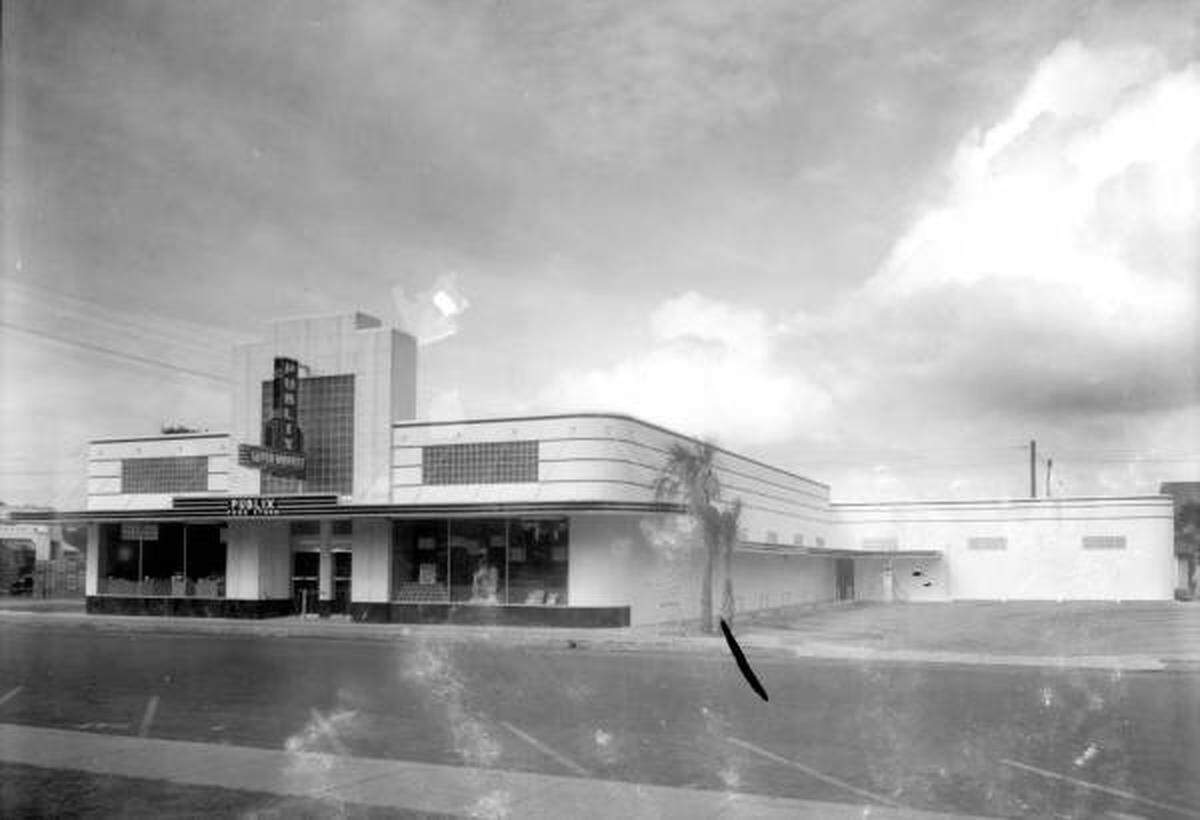
1940: Using money from a loan, Jenkins opened the first Publix Super Market in Winter Haven on Nov. 8, 1940, and closed his other two stores. According to Publix, the first store was a “food palace” of marble, glass and stucco. It boasted what were, at the time, innovations like fluorescent lighting, air conditioning, doors operated by an electric eye, terrazzo floors and a paved parking lot. To finance this first supermarket, Jenkins mortgaged an orange grove he had bought during the Depression.
1945: The Publix founder bought a warehouse and 19 All American Food Stores from the Lakeland Grocery Co., giving him a group of small, operating markets that formed the backbone of his supermarket chain. He later replaced the All American stores with larger, modern, better stocked Publix Super Markets and moved the company’s headquarters to Lakeland.
1950s and onward: Jenkins traveled to learn about new products and innovative ways to improve his stores and attract customers. In the decades that followed, Publix expanded rapidly by building new stores and acquiring other supermarkets. It added bakeries, flower shops, delicatessens, pharmacies, automatic teller machines and cooking schools to its stores. In addition, it set up special sections offering healthy foods as well as Hispanic and other ethnic foods.
1956: Publix reportedly reached $50 million in sales.
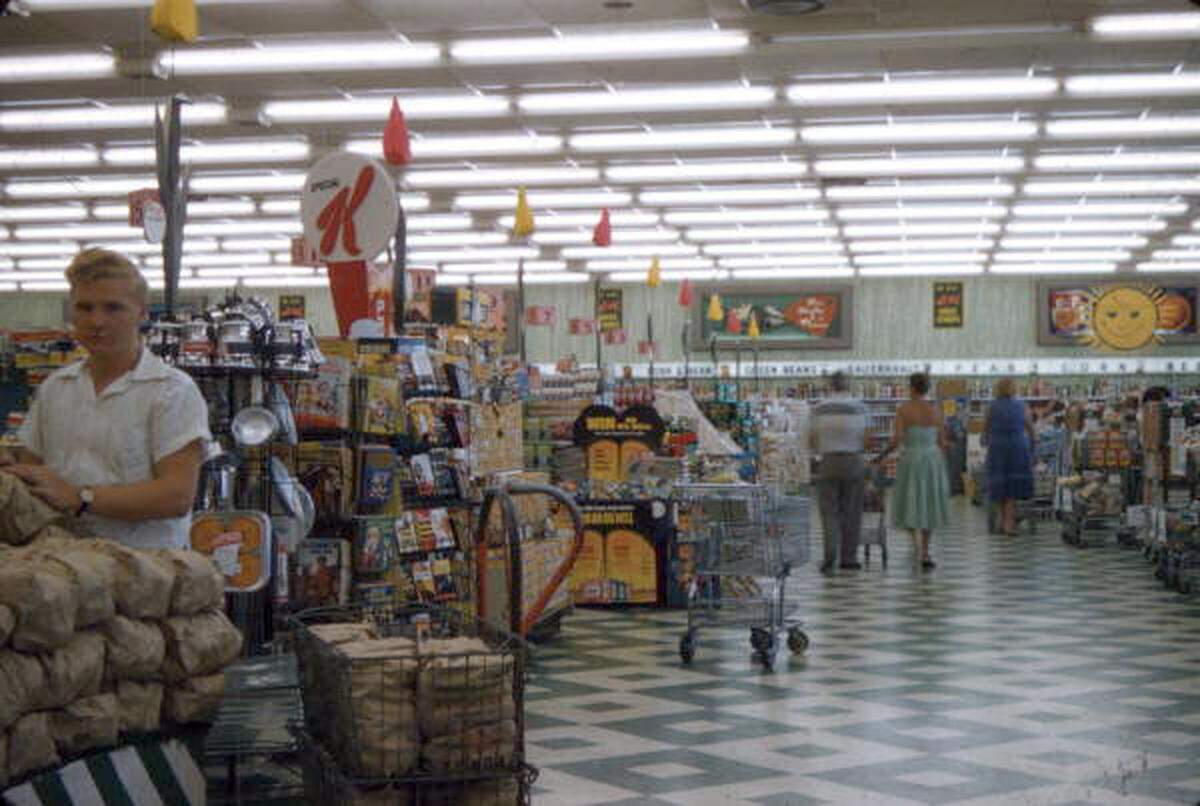
1959: Publix was the dominant supermarket chain in central Florida and began expanding to southeast Florida. In May 1959, Publix opened its first store in the Miami area, in North Miami at 12850 Biscayne Blvd.
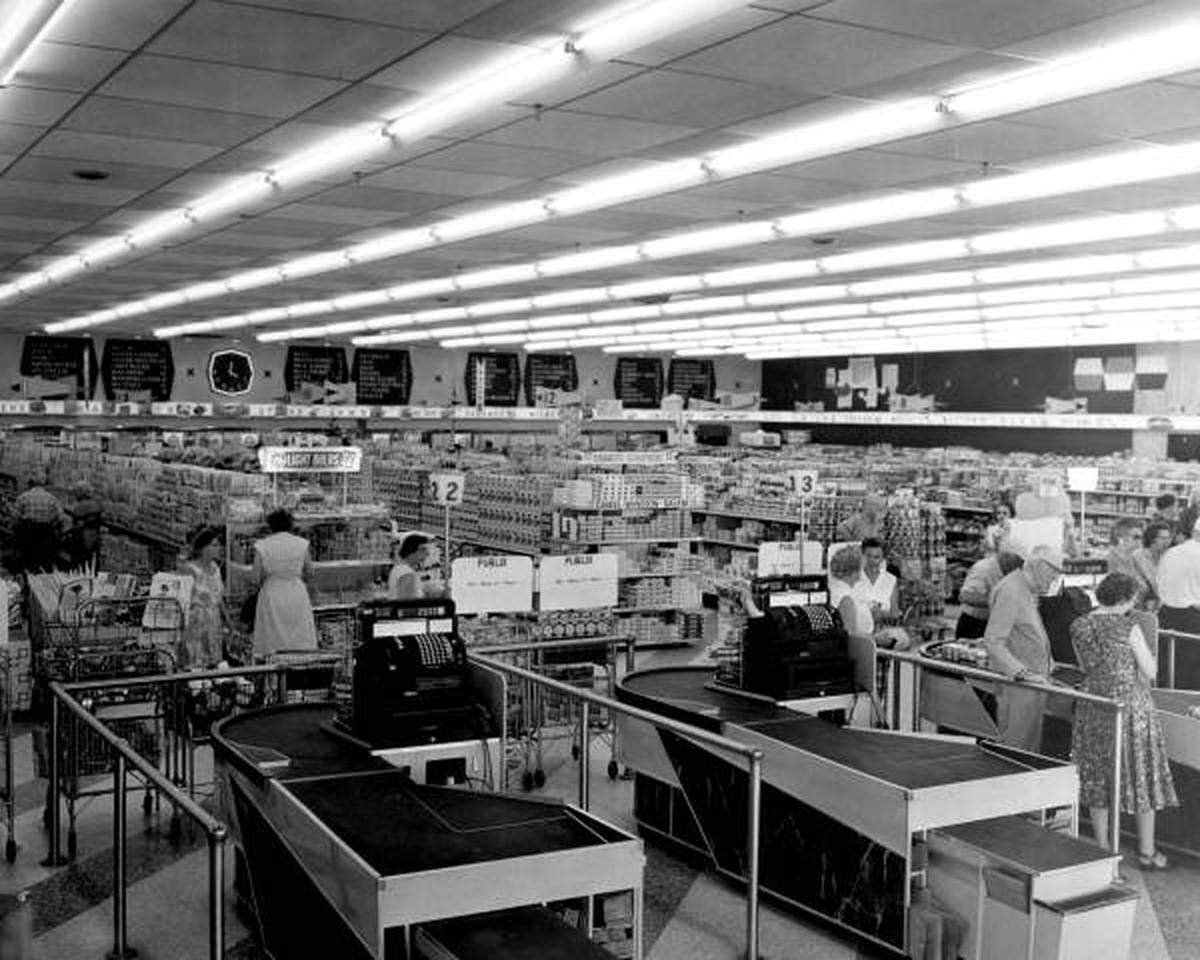
1974: Publix started what would become the Publix Employee Stock Ownership Plan, also known as the Publix PROFIT Plan. The company’s founder believed that employees (called “associates”) who owned shares in the business and could participate in its success would provide the best service to customers. Sales reportedly reached $1 billion.
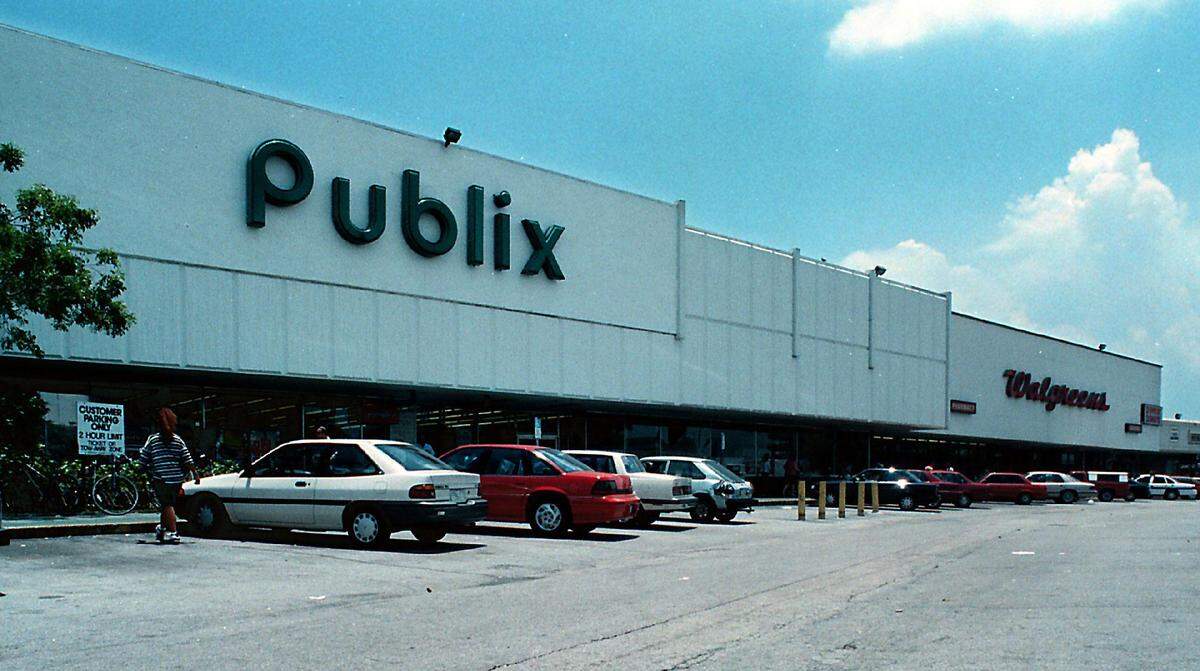
1989: Sales reached over $5 billion.
1990s: Publix began to expand outside Florida, starting in Georgia.

2003: Publix discontinued an online grocery business it started about two years earlier.
2008: William E. (“Ed”) Crenshaw takes over as Publix CEO. Crenshaw started working for Publix in 1974 as a front-service clerk in Lake Wales and rose to be president of the company in 1996. He is a member of the family of founder George W. Jenkins, Jr. In a major expansion, Publix bought 49 Albertsons supermarkets located across Florida.
2009: Publix opened its 1,000th store in St. Augustine, making it one of a handful of U.S. supermarket chains operating that many outlets. The Coalition of Immokalee Workers (CIW) started protesting at Publix stores, saying that the company bought tomatoes from suppliers who pay unfair wages. Publix responded by stating that it pays tomato suppliers a fair market price and that the CIW was asking the company to come between its suppliers and their workers, which is a labor dispute.
2013: Publix gives up its foray into convenience stores. The company announced it was selling 14 Pix locations in Florida, Georgia and Tennessee. The stores, mostly built near Publix-anchored shopping centers, were meant to generate new business through sales of gasoline and convenience store goods.
2014: Publix opened its first store in North Carolina at the beginning of the year. Today, it has 12 and plans to open six more. Following opposition from local residents, the company withdrew a proposed condo development in Sunny Isles Beach that was to be built alongside a new Publix on Collins Avenue.
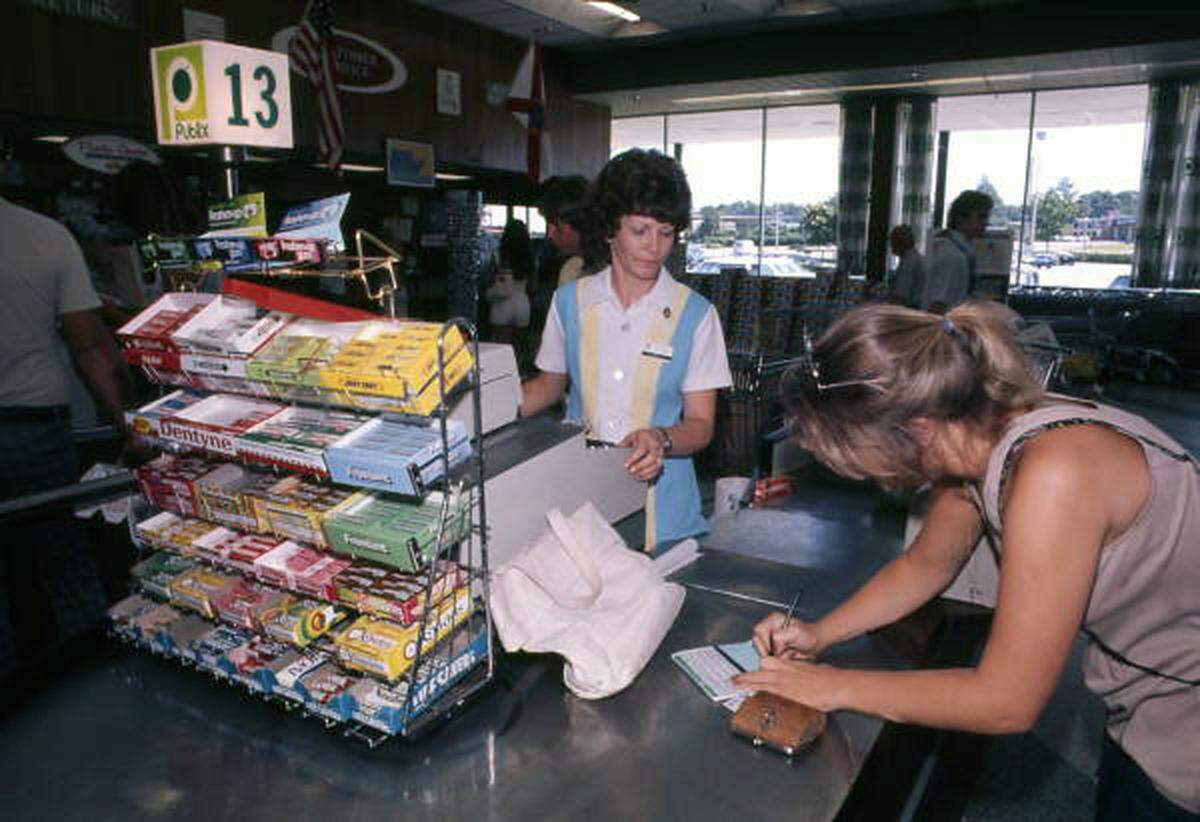
PUBLIX OPENS ON SUNDAYS
Published April 14, 1983
Never in its 52-year history has Publix Super Markets opened its doors on Sunday.
But that tradition will end April 24, the Lakeland-based company announced Wednesday, indicating that loss of market share to rivals such as Winn-Dixie was behind the move.
“I think we have a slight lead, but some figures indicate that our share of the market was decreasing or that we were not increasing our share,” said Mark Hollis, a Publix spokesman.
“We believe that a seven-day-a-week operation puts us back in the dominant position in the Florida market,” he added.
Publix has 266 stores throughout the state including 21 units in a discount chain called Food World. Sales last year were $2.5 billion, and the chain, which has about 25 per cent of the state’s total food market, rang up a profit of $48.6 million.
George Jenkins, company founder who established the always- closed-on-Sunday policy when he opened his first store in Winter Haven in 1930, issued a statement which said in part:
“Our company has always tried to meet the wants and needs of our customers. This decision to open our stores on Sunday is in response to that commitment.”
Hollis said the company had been receiving letters of protest from religious leaders since word began leaking that the company would break with its long-standing policy.
“But these letters have, for the most part, been supportive of Publix for having held out as long as we have,” Hollis said. “They don’t like our decision, they wish we would stay closed on Sunday, but they seem to understand the problems we face. They have not been condemning-type letters.”
Hollis said that based on the experience of other strong chains that were not open Sunday such as H.E. Butt in Texas, Publix will pick up “no less than a 10-per cent increase in business.”
He also pointed to the success of a Publix experiment in opening the outlets of Food World on Sundays in recent weeks.
Hollis said that Publix’ 30,000 employes were being briefed this week and have responded positively even though they would prefer not to work Sundays. Few additional hirings are planned.
Hollis said that only employes who volunteer would work Sundays, when store hours will be 9 a.m. and 7 p.m. Most Publix stores are open weekdays from 8:30 a.m. to 9 p.m. though some remain open until 11 p.m.
“We’re getting more volunteers than we need,” he said. “The premium pay helps, but they also want to be on a winning team.”
This story was originally published February 26, 2020 at 10:38 AM.