
This pillar of DeSantis’ property tax plan won’t be on the November ballot
As Gov. Ron DeSantis has promoted his property tax reduction plan, he’s insisted the state can easily backfill local governments for some of the millions they could lose.
At a Monday news conference, he called coverage for small counties “budget dust” in Florida’s more than $110 billion coffers.
But DeSantis, who will leave office in January, won’t oversee that process. It’ll be up to the next governor and Legislature to allocate the relief money.
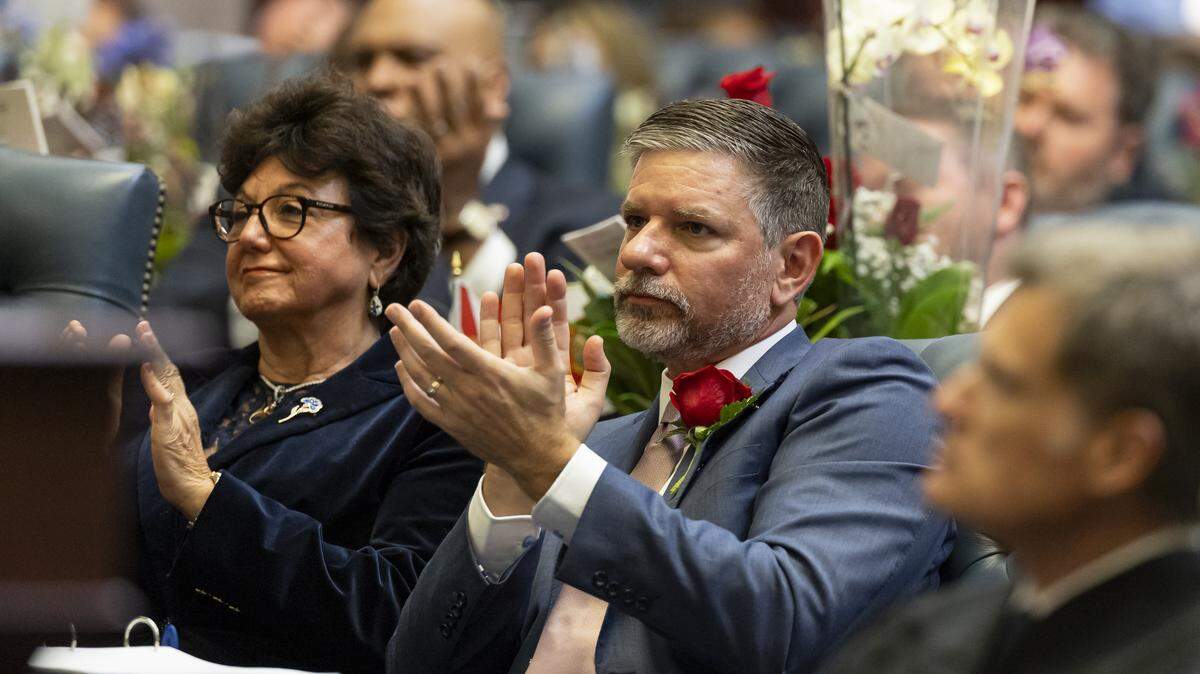
And incoming House Speaker Sam Garrison, a Fleming Island Republican, doesn’t support the idea of using state dollars to fill the gap.
“We’re going to have to get by with less, that’s just the reality of it,” Garrison said during a Monday House meeting.
Already, lawmakers removed the requirement to create a dedicated trust fund supporting local governments amid revenue loss from their bills.
READ MORE: Florida lawmakers move to protect schools from DeSantis’ property tax plan
Even without the trust fund, lawmakers could still choose to fund local governments through their regular budgeting process. But Garrison, who is set to be the most powerful person in the House for the next two years, is skeptical.
Garrison said he’s a small-government conservative. Telling communities to come to the state to ask for resources, he said, is “inconsistent with my personal philosophy on these things.”
On Monday, Garrison sponsored the amendment in the House to remove the requirement that the Legislature create a trust fund for DeSantis’ plan. Sen. Erin Grall, R-Vero Beach, sponsored an amendment doing the same in the Senate.
His hesitancy could undermine one of DeSantis’ key arguments to sway voters, particularly those in small counties, in favor of the amendment.
“We obviously have resources,” DeSantis said on Monday, saying that the Legislature didn’t do a major tax break this year because he would rather use the money for property tax support instead. “That to me is the easiest, easiest thing to do.”
Garrison cautioned that he was just one of 120 House members, and said he can’t speak to what the House as a body would decide.
Garrison said in his experience, local governments asking for grants “quickly becomes an entitlement, and I don’t think that’s what any of us want.”
Sen. Jim Boyd, a Bradenton Republican who will be Senate president for the next two years, said in a statement that he also has concerns about “the precedent we would be setting with a dollar-for-dollar backfill.”
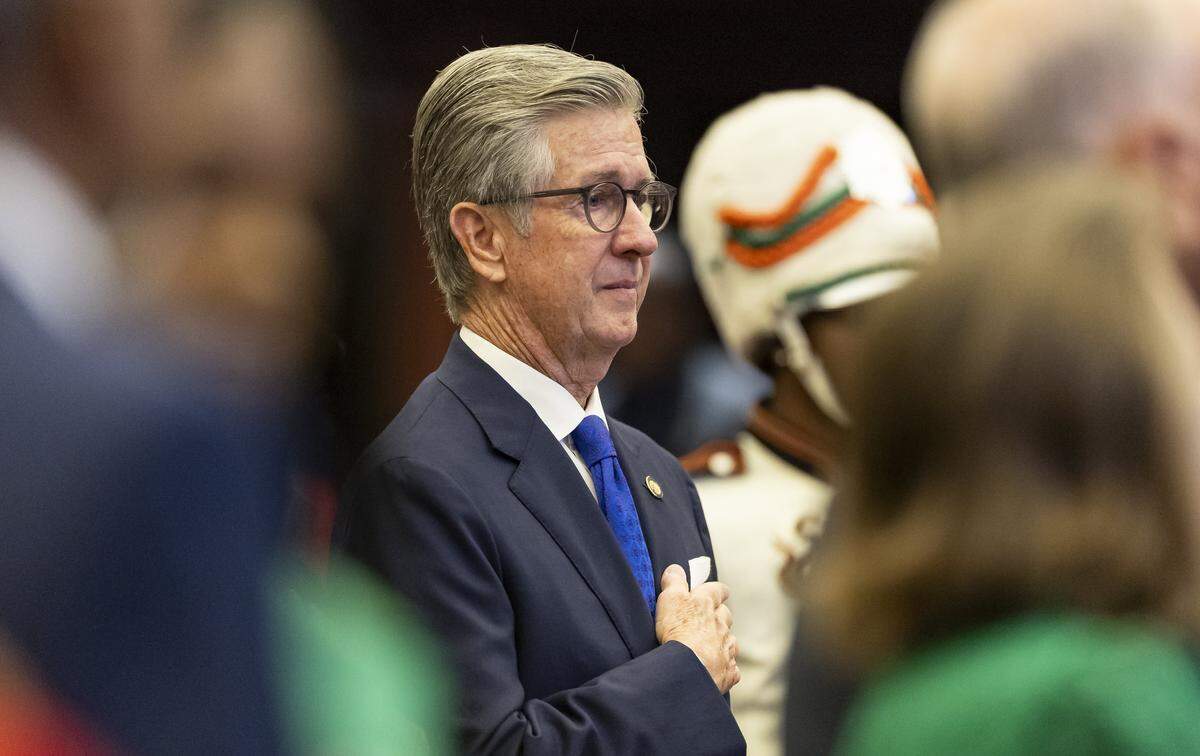
Still, Boyd said the Legislature looks at specific funding issues for counties with smaller budgets each year.
“I expect those conversations to continue, and if there are specific impacts that result from this amendment, I support taking a look at those impacts,” he said.
DeSantis, when he rolled out his proposal for the 2026-2027 budget in December, proposed setting aside $300 million to be used to cover a potential loss. Lawmakers didn’t adopt that into the budget.
Initially, the Senate put money toward those rural communities but the House did not.
When the Senate struck out the trust fund requirement from the plan on Monday, Grall didn’t mention opposition to backfilling counties.
Instead, she said the move was about presenting the right promise to voters. DeSantis’ plan, she said, promised a trust fund to voters but didn’t create a mechanism to set that up or allocate a certain amount of money for it.
“It’s really about transparency and what’s being said and how we are implementing it,” she said.