‘A plan to have a plan.’ Key details still undefined in DeSantis’ tax-cut pitch
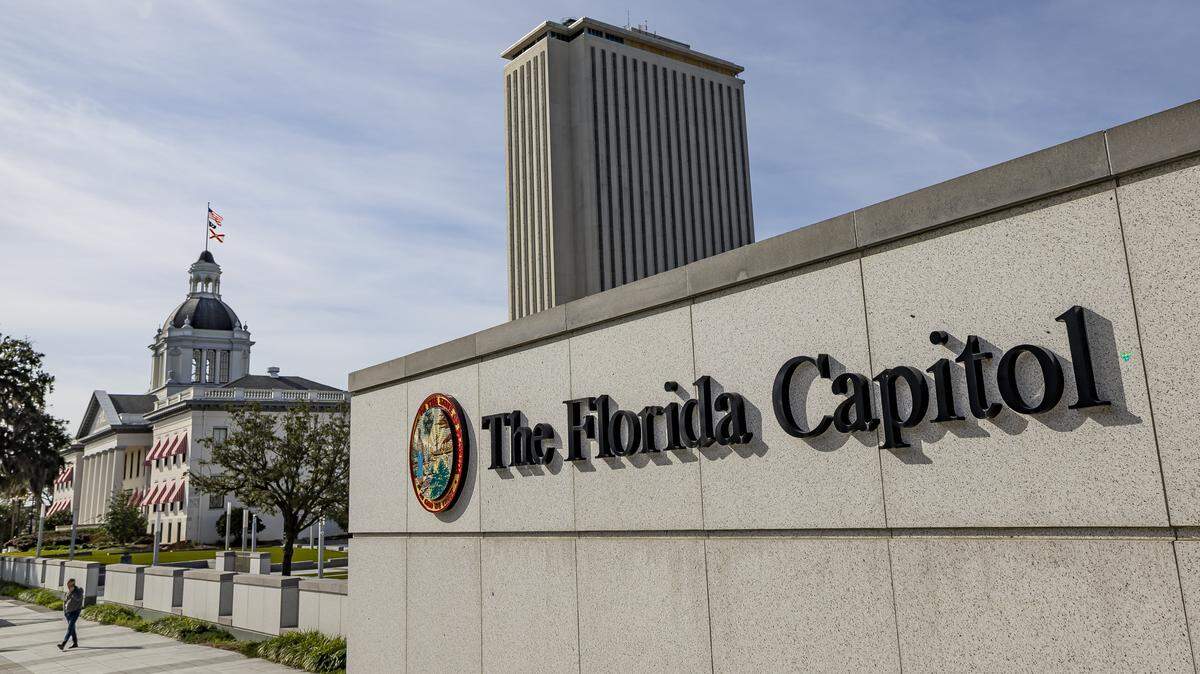
After more than a year of publicly hyping the idea of major property tax relief, Gov. Ron DeSantis on Wednesday finally unveiled what he called a plan to deliver it.
What he did not unveil was an actual proposal.
Instead, DeSantis rolled out the long-awaited initiative through a press conference and a five-point bullet list outlining broad goals he wants lawmakers to pursue during a special session next week. Missing from the announcement was detailed bill language explaining how the state would offset billions in local government revenue, how the plan would work across Florida’s 67 counties or what exactly legislators will be debating when they return to Tallahassee next week.
The rollout underscored the challenge at the center of DeSantis’ property tax campaign: turning a politically appealing idea into workable policy.
“This is more of a plan to have a plan than it is a policy proposal,” said Jeff Brandes, a former Republican state lawmaker who now leads the Florida Policy Project.
In a memo to lawmakers Wednesday, Senate President Ben Albritton said Sen. Bryan Avila, R-Hialeah Gardens, would transmit the governor’s proposals to the Legislature. Albritton also praised DeSantis for “starting what has been a robust discussion on property tax relief throughout our state.”
Avila did not respond for comment.
House Speaker Danny Perez, R-Miami, said in a statement that he had yet to receive the governor’s proposal.
“We are pleased the Governor has finally gotten around to share an actual proposal. We look forward to reviewing it once we have received the language,” he said.
DeSantis said Wednesday his proposed amendment would:
- Raise the homestead property exemption to $250,000 from the current $50,000 limit
- Require the Legislature to come up with a plan to increase it to $500,000
- Create a state trust fund to help local governments manage shortfalls
- Require new residents live in the state for five years before taking advantage of the new tax break
- Reduce local governments’ property tax assessments on small businesses from 10% to 5%
A DeSantis spokesperson did not respond to questions about the governor’s property tax relief pitch, including when his official proposal would be released and how much tax revenue he projected local governments to lose as a result of the measure.
Brandes said DeSantis’ proposal would place enormous responsibility on the Legislature to manage the phaseout of property taxes. If lawmakers create uncertainty about how local governments will replace that revenue, he warned, cities and counties could face pressure on their bond and credit ratings, which in turn could increase the cost of borrowing money.
“Today, cities and counties control their own destiny,” Brandes said. “This would put that destiny in the hands of the Legislature.”
Brandes also predicted local governments across Florida would likely raise millage rates or pursue other revenue increases to offset lost property tax dollars. Renters — who make up roughly one-third of Florida residents — could end up absorbing those higher costs through increased rents while receiving little direct benefit from property tax relief, he said.
Spokespeople for both the Florida Association of Counties and the Florida League of Cities noted that they were waiting for the full proposal to take a definitive stance.
Both organizations, though, had concerns about what the effect would be on local governments’ ability to provide quality infrastructure, emergency services and more.
Cragin Mosteller, a spokesperson for the Florida Association of Counties, called the governor’s proposal “general themes” rather than “specific points.”
Mosteller said the organization wanted any conversation about the property tax proposal to rely on “real budget math” and to look at the long-term impact on Floridians.
One thing is clear: If the governor’s proposal is enacted, the larger impact in Miami-Dade would fall on bedroom communities — suburban municipalities that consist mostly of homes without the apartment towers, malls and office buildings that would shield their budgets from a steep drop in property-tax revenue collected from primary residences.
The town of Cutler Bay relies on homestead properties for 50% of the roughly $12 million it collects in property taxes — one of the highest shares in Miami-Dade, according to data from the county Property Appraiser’s Office. For comparison, the county government gets about 26% of its countywide property-tax revenue from homestead properties.
Cutler Bay’s mayor, Tim Meerbott, said a big exemption in taxes for homestead properties would mean drastic changes for the local government he leads.
“We would have to cut things that normal people don’t consider waste,” he said, predicting cuts in parks, building inspections and zoning staff to make up for the
In the city of Miami Springs, 42% of the property taxes come from primary residences. Mayor Walter Fajet said he thinks it is too early to make definitive contingency plans for a tax plan that right now is just a bare-bones proposal that still would need voter approval in November. But he said there’s no question that places like Miami Springs — a suburban community where commercial growth has been pretty modest — would be hit the hardest.
“We’re very anxious,” he said. “Whatever comes our way, we’ll deal with it.”
Miami Herald reporter Douglas Hanks and Herald/Times Tallahassee Bureau correspondents Lawrence Mower and Romy Ellengoben contributed to this report.