
How Florida aims to protect consumers from data centers. See the details
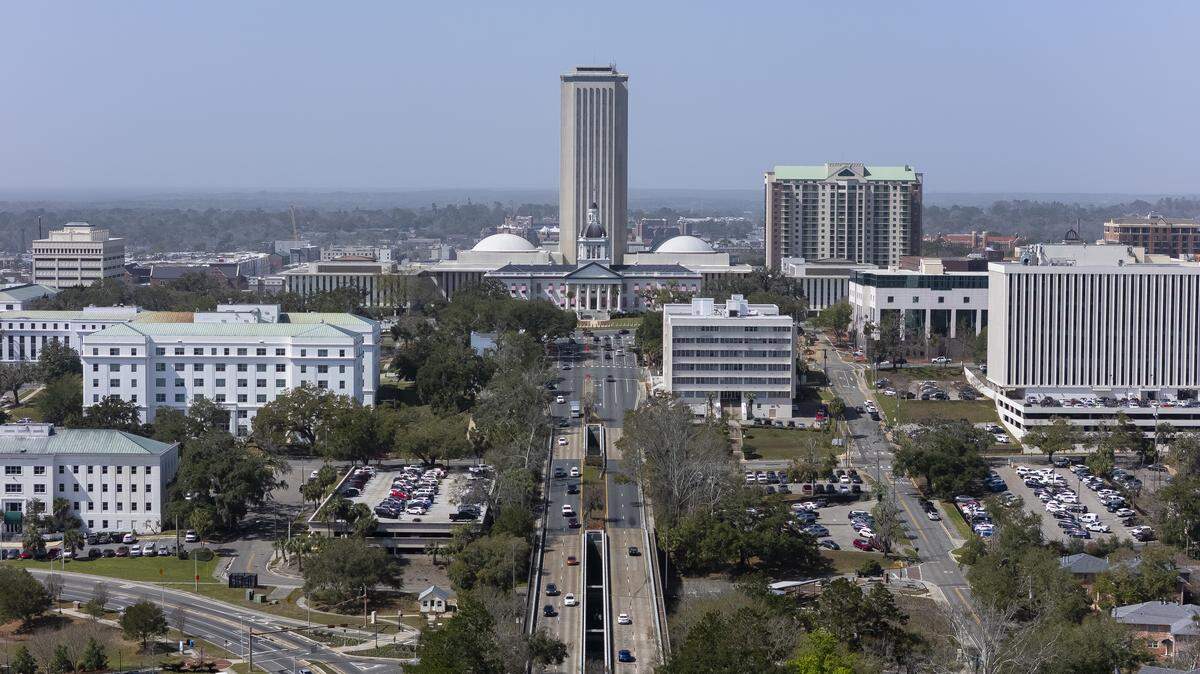
Florida lawmakers took a stand to protect consumers against harm by the data center industry Friday, passing a bill designed to ensure residents don’t pay more for electricity or face water scarcity because of the facilities.
But the bill was weaker than what many lawmakers in the Florida Senate wanted.
Earlier this week, the Florida House removed a prohibition on local governments signing nondisclosure agreements with data center companies. As the Senate approved these changes Friday — the last day of the regular legislative session — many said they were disappointed that the public could be kept in the dark about these projects. Data centers are resource-intensive facilities that house thousands of computers for artificial intelligence and other programs. Large-scale facilities can stretch for hundreds of acres.
“I think we have major work to do next year, senators,” said Sen. Gayle Harrell, a Republican from Stuart who has a proposed data center in her district. “We need to watch this very carefully and be very concerned about it — the implications for the environment, the implications for population near the data centers.”
“This is not an easy vote,” said Sen. Carlos Guillermo Smith, D-Orlando. “My fear is if we have no bill pass, there’s no regulation of data centers whatsoever and its just the wild, wild West.”
Senate Bill 484 prohibits local water management districts from issuing permits to data centers “if the proposed use of the water is harmful to the water resources of the area,” and requires the use of reclaimed water where possible.
When it comes to electricity costs, the legislation requires that any data center “bears its own full cost of service and that such cost is not shifted” to the public.
Walt Trierweiler, the public counsel who represents the interests of consumers in utility cases, said the bill provides regulators “with a powerful tool” to make sure Floridians don’t see their electric bills go up because of data centers’ voracious demand for power.
“There are plenty of cautionary tales from states who took a wait and see approach to the proliferation of data centers and their customers paid a steep price in increased electric bills,” Trierweiler wrote in an email. “If this ultimately becomes new law, the Office of Public Counsel will be actively engaged in the process to promote the effective implementation of the extensive customer protections.”
The bill now heads to the desk of Gov. Ron DeSantis, who had called on lawmakers to regulate data centers and has become a leading Republican voice skeptical of the industry. That tone marked a zag in a state long known as a haven for big business, and has sometimes put DeSantis at odds with President Donald Trump.
When asked earlier this week if DeSantis would sign the bill, Molly Best, a spokesperson for the governor, only said he would review it “in its final form.”
Sen. Bryan Avila, a Republican from Hialeah who sponsored the bill, said that he would revisit the issue of nondisclosure agreements next session.
There are “potential constitutional questions” surrounding these agreements, he added, and how they comply with Florida laws that guarantee the public the right to public records.
The bill also commissioned a government study on the impact of data centers, due July 1, 2027, that must include recommendations on how to best regulate the facilities’ location and mitigate negative impacts.
In the meantime, the senators emphasized that they would reach out to local officials to caution them against signing nondisclosure agreements, and encouraged voters to do the same.
The legislation also leaves the decision of where data centers can be located to local governments, without any state requirements keeping them a certain distance from schools or residences, which were in previous versions of the bill.
“Now our local people are in control,” Harrell said. “So we have some responsibility to go back and have those conversations with our local elected officials and tell them our concerns.”
The Tampa Bay Times launched the Environment Hub in 2025 to focus on some of Florida’s most urgent and enduring challenges. You can contribute through our journalism fund by clicking here.
This story was originally published March 13, 2026 at 12:42 PM.