
Florida lawmakers prepare for one of most unpredictable legislative sessions in years
Just a few months ago, Gov. Ron DeSantis and Florida’s Republican legislators were on friendly terms heading into his final two years in office.
Or so it seemed, until a bitter fight over immigration this year exposed simmering tensions. DeSantis and the House speaker and Senate president say they’ve since made nice.
The next 60 days will tell.
This year’s legislative session, which begins Tuesday, is shaping up to be one of the most unpredictable in years.
Republican lawmakers feel emboldened. They’ve stepped up oversight of DeSantis’ spending and want more disclosure by his state agencies.
In recent years, the priorities of the legislative session were largely dictated by the top-down priorities of DeSantis and prior legislative leaders.
Republicans are proposing bills ranging from stopping “chemtrails” to limiting Wall Street from owning homes.
“It’s the talk amongst my colleagues,” said Rep. Vicki Lopez, R-Miami. “A new day has dawned.”
Democrats also say the mood has lifted this year.
But they’re skeptical that the result will differ much from the last six years of legislative sessions dominated by cultural issues.
Republicans this session are already eager to follow President Donald Trump’s immigration agenda and are forbidding local governments from placing restrictions on a potential future presidential library.
They have proposed ideas to address the most pressing constituent issues — cost of living, property insurance and condominiums — but have yet to take them up.
“It’s very clear to me that in terms of what comes next, it will likely be driven by President Trump,” said House Minority Leader Fentrice Driskell, D-Tampa.
DeSantis and his priorities will still loom large. The governor wants to further crack down on ballot initiatives, making it even harder to amend the constitution to permit abortions past six weeks. He also wants a sales tax holiday for guns and ammunition.
In public, DeSantis and Republican leaders have characterized their very public dispute over the last two months as a “healthy exercise” that has made their relationship stronger.
“I don’t think you are going to see any lingering feelings at all, certainly not from me,” DeSantis told reporters at a news conference earlier this month.
Senate President Ben Albritton, R-Wauchula, said the disagreement “made this family stronger.”
DeSantis made it clear this month that he was watching this session closely. He’s waiting to appoint a lieutenant governor and chief financial officer until after the legislative session — to see “how different people are able to perform,” he said.
In the Legislature, the hard feelings with DeSantis might linger after years of being browbeaten into passing his agendas.
“For so long, we have been treated like staff,” said Rep. Debbie Mayfield, R-Melbourne.
Lawmakers could override some of DeSantis’ vetoes over the next 60 days, as special committees convened by House Speaker Daniel Perez, R-Miami, release their recommendations. The Legislature had never overridden anything DeSantis vetoed until January, when they restored $56 million in legislative support funding he cut last year.
DeSantis said overriding vetoes is “their prerogative,” but he added, “We should be holding the line on spending.”
Some House committees are also increasing oversight of state agencies.
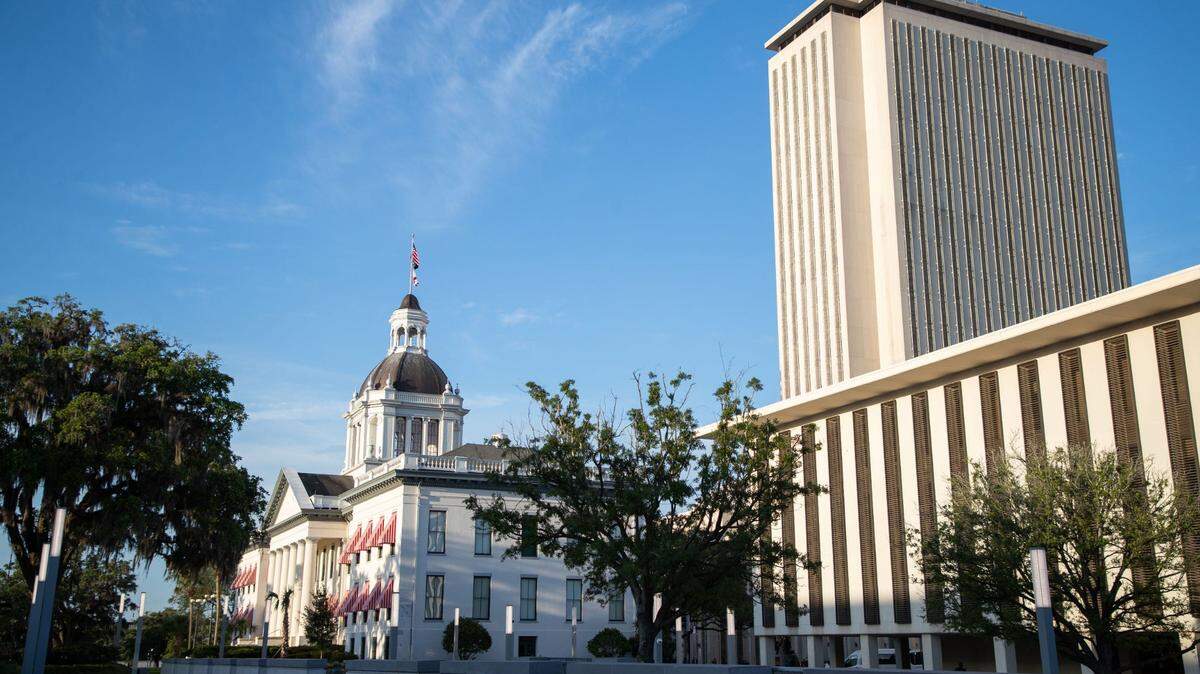
For instance, Lopez’s committee took a field trip this month to inspect the progress on the state’s $300 million effort to upgrade and modernize the state Capitol.
Construction in and around the Capitol grounds briefly halted as legislators weaved between ladders and stepped around debris, asking about crowd management at the new entrances and the materials used to replace the Historic Capitol roof.
“We rarely get these kinds of questions,” a Department of Management Services official said.
This year, some Republicans are even soliciting questions from Democrats.
“I have never had a [committee] chair ask me to ask questions,” said Rep. Anna Eskamani, D-Orlando. “Normally they’re annoyed by my questions.”
Unlike past years, DeSantis and the House speaker and Senate president have not yet revealed big legacy priorities for the session.
Some lawmakers say they have more free rein this year, and they’re filling the void with legislation that bucks either DeSantis or party orthodoxy.
Two Republican senators want to prevent DeSantis from building golf courses and pickleball courts on state parks, following outrage by Floridians to a previous proposal from the governor’s administration.
Rep. Berny Jacques, R-Seminole, wants to make it more difficult for Wall Street-backed landlords to buy homes in Florida, a move that goes against the party’s history of deregulating big businesses.
Sen. Jonathan Martin, R-Sarasota, wants to ban some dyes and other chemical additives in food, something consumer groups and Trump’s health secretary, Robert F. Kennedy Jr., have long advocated.
What to do about the condominium financial crisis, created by past legislation mandating inspections and financial requirements after the 2021 Surfside condo collapse, is one of the biggest questions this session.
It’s already pitting Senate Republicans against their counterparts in the House.
Lopez is proposing denying state-run Citizens Property Insurance coverage to condominium associations that fail to comply with the new requirements, which many unit owners are struggling to afford.
Republican Sens. Jennifer Bradley and Ileana Garcia criticized the idea as making a bad insurance climate worse and threatening to displace “thousands” of Florida condo owners.
Legislators could also take further action on homeowners and auto insurance, which remain their top constituent issues. State regulators want greater oversight of insurers’ affiliate companies, which have been repeatedly cited as the cause of insolvencies.
Sen. Don Gaetz, the father of former U.S. Rep. Matt Gaetz, filed bills that would limit the profits of utility companies and require greater disclosure over the compensation of insurance executives.
Gaetz said he returned to the Senate after an eight-year break because the state failed to come up with a long-term solution to homeowners insurance. He said he remembered a time when Republicans put insurance executives under oath in committees.
“Since then, the pendulum has swung back the other direction,” Gaetz said.
Herald/Times staff writers Alexandra Glorioso and Romy Ellenbogen contributed to this report.
This story was originally published February 28, 2025 at 5:30 AM.