
Lovers of historic Florida buildings can relax. Bill that threatened them is dead
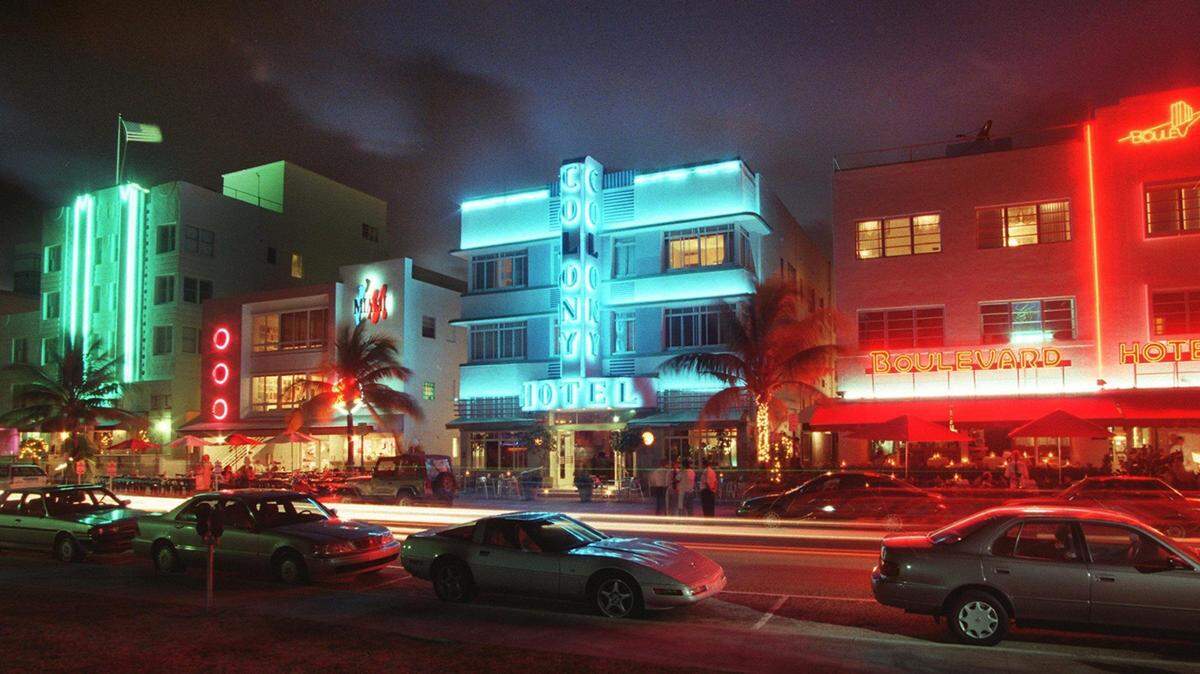
After warnings that a bill to end local control of historic preservation could lead to the bulldozing of buildings in iconic communities like Miami Beach, the House sponsor of the measure has abandoned the legislation but vowed to bring it back next year.
Rep. Spencer Roach, a North Fort Myers Republican, said he filed HB 1317 “to defend private property rights, which are under constant attack by local governments.” The measure quietly moved through committees, receiving bi-partisan support but after preservationists sounded the alarm across the state last week, Roach admitted it is dead for the session, which ends Friday.
Preservationists warned that the measure will allow property owners and developers to bypass local regulations and let historic buildings fall into disrepair in coastal communities so that they can demolish the older buildings and redevelop them.
READ MORE: Florida bills open the door to demolishing iconic Miami Beach and Key West sites
The bill, and the Senate companion, SB 1346, would prohibit local officials from blocking the demolition of buildings designated as unsafe if they were within the coastal construction control line — the line the state uses to limit construction to protect beaches — or if they don’t meet federal standards that call for flood-resistant materials and elevated structures in vulnerable areas.
Because virtually no historic buildings conform to those rules, preservationists warned the bills would spell “the end of historic preservation in coastal Florida.”
Virtually no limits to demolition of older buildings
Under the bills, property owners would have been allowed to demolish any building for any reason in the designated zones, with the exception of a relative few listed on the National Register of Historic Places, an honorary designation that by itself confers no protections.
Advocates said an estimated 84 local jurisdictions across the state have historic-preservation programs that would have been affected.
After legislators received emails and calls from worried constituents, and feedback from other lawmakers, Roach and the Senate sponsor, Sen. Bryan Avila, R-Hialeah Gardens, pulled the bill.
“Our goal is to respect local policy making while creating statewide standards that govern what may be preserved, and to allow property owners to bring those that do not merit preservation up to FEMA [Federal Emergency Management Agency] flood elevation codes to ensure they can withstand future storms,’’ Roach said in a statement to the Herald/Times. Avila did not respond to requests for comment.
Roach called criticism of the bill “a narrative that is dishonest and disingenuous by claiming that this bill will allow for the unbridled construction of skyscrapers in the Miami Beach Art Deco area or in Saint Augustine.”
He said the bill “seeks to balance the rights of property owners while supporting preservation of Florida’s iconic structures” and has “been a collaborative process from the start and has garnered bipartisan support at every committee meeting. “
But throughout much of the debate, proponents of the measure have also mischaracterized current practice.
For example, Roach said some local governments hold “property owners hostage under the guise of ‘preservation’ by forcing them to rebuild structures to an outdated standard that renders them prohibitively uninsurable and guaranteed to be destroyed again in the next storm.”
But FEMA has a policy to encourage renovation and the strengthening of historic structures by providing exemptions that allow developers to build modern additions to historic hotels and other buildings while strengthening their capacity to withstand flooding.
The bill died in the House after the Senate passed SB 1346 Friday on a vote of 33-6, after amending it to exempt historic buildings in St. Augustine and communities with populations of less than 10,000 people.
Roach said he expects to keep working and plans to revive a version of the bill next year.
“I will continue to listen to local concerns about the scope and spirit of this legislation, and I believe there is a pathway that will protect Florida’s iconic structures while discouraging arbitrary local rules that act as a de facto taking of private property without just compensation,’’ he said.
This story was originally published May 4, 2023 at 2:54 PM.