After Parkland case, sentencing for death penalty cases may change. Here’s what to know
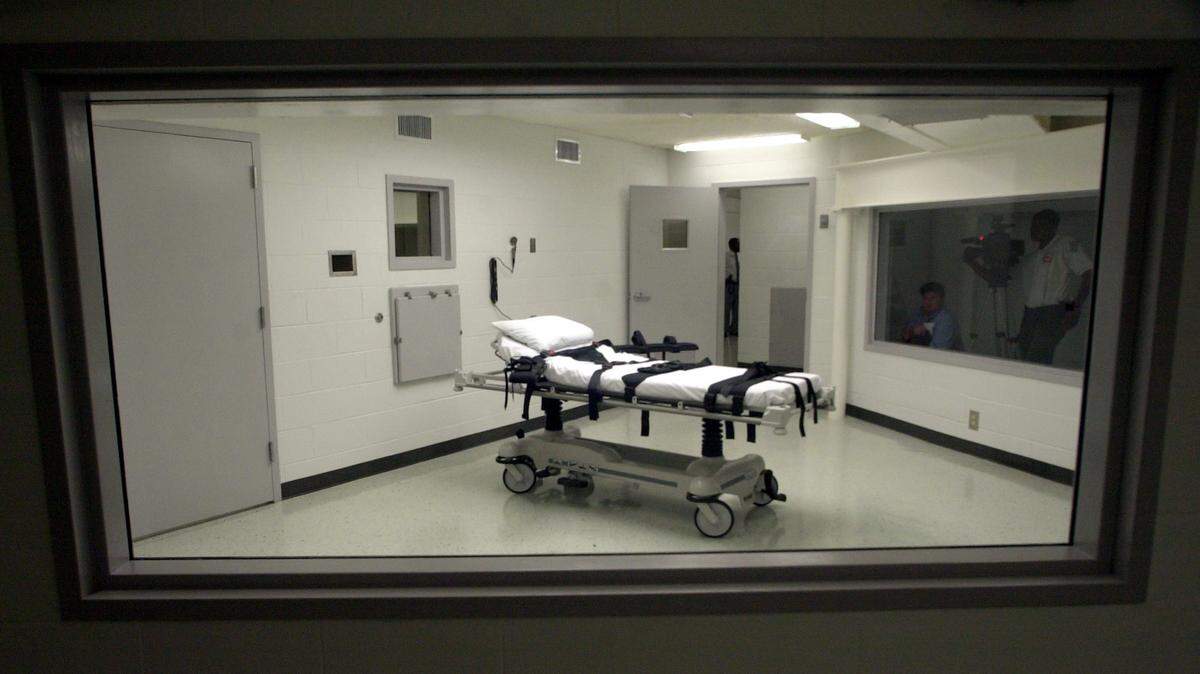
After a jury sentenced the Parkland shooter to life, Florida lawmakers are set on changing requirements to impose the death penalty.
A death sentence, as it stands, requires a unanimous jury. Jurors must agree at various junctures. They must identify aspects of the crime that somehow make it worse and consider if these aspects outweigh happenings in the defendants’ life that lessen the severity of the crime, such as young age, mental illness or addiction.
If jurors don’t identify these factors unanimously, the death penalty is off the table. That’s the case if even one juror doesn’t agree that the factors of the crime outweigh some of the defendant’s experiences. The jury, then, must make a recommendation for a life sentence.
The foreman of the 12-person jury that recommended Nikolas Cruz be sentenced to life in prison for killing 17 people at Marjory Stoneman Douglas High School said three jurors voted against the death penalty, a move that outraged victims’ parents and loved ones. Tony Montalto, who lost his 14-year-old daughter Gina Montalto in the shooting, spoke in support of one of the House bills on Thursday.
READ MORE: Citing Parkland case, DeSantis wants to end unanimous jury vote for death penalty
In January, Gov. Ron DeSantis expressed disappointment in the Parkland school shooter being given life in prison. Death penalty verdicts, the governor said, shouldn’t be “vetoed” by one juror. He instead suggested a supermajority vote.
Here’s what to know about the four proposals circulating around Senate and House committees.
Proposed changes
▪ At least eight jurors required to recommend death penalty;
▪ If at least 10 jurors recommend death, court must impose the recommended sentence;
▪ Judges have the right to impose death penalty even if jury recommends life;
▪ But the judge must consider the factors of the crime and circumstances in the defendant’s life as well as determine if they outweigh some of the defendant’s experiences. The judge must also include reasons for not accepting the jury’s recommended sentence.
What’s next for these bills?
HB 555, which was approved in the Justice Appropriations subcommittee and publicly supported by Tony Montalto, will now be reviewed in the Judiciary Committee.
A Senate companion bill, SB 450, was approved in the Criminal Justice Committee but is now pending review in the Rules Committee.
Two bills related to sentencing in capital felonies, HB 609 and S 520, are still pending review in committees.
This story was originally published March 16, 2023 at 3:20 PM.