
Miami Hispanic judicial candidate draws heat for ‘colored people’ comment during forum
Rosy Aponte, a perennial judicial candidate and personal-injury lawyer challenging a longtime incumbent, raised eyebrows in South Florida’s legal community after she referred to Blacks as “colored people” during a recent judicial forum.
The gaffe happened during the forum hosted earlier this month by the Wilkie D. Ferguson Jr. Bar Association, a Black lawyers’ organization, and a group called the Underrepresented Peoples Positive Action Council. The forum was held against the backdrop of nationwide protests against police brutality and racism, sparked by the in-custody death of George Floyd.
Asked to describe her experiences with African Americans outside of the workplace, Aponte said she volunteers cooking meals at Camillus House, the venerable Miami homeless shelter.
“There’s a lot of colored people that depend on Camillus House,” Aponte replied.
The phrase surprised Miami lawyer Trelvis Randolph, the moderator and bar association’s incoming president. He asked her to clarify.
“I consider myself a colored woman,” said Aponte, who says she is of Puerto Rican descent. “To me, a colored person is somebody that has a diverse background. I have Indian and African American in my family so that makes me a colored person.”
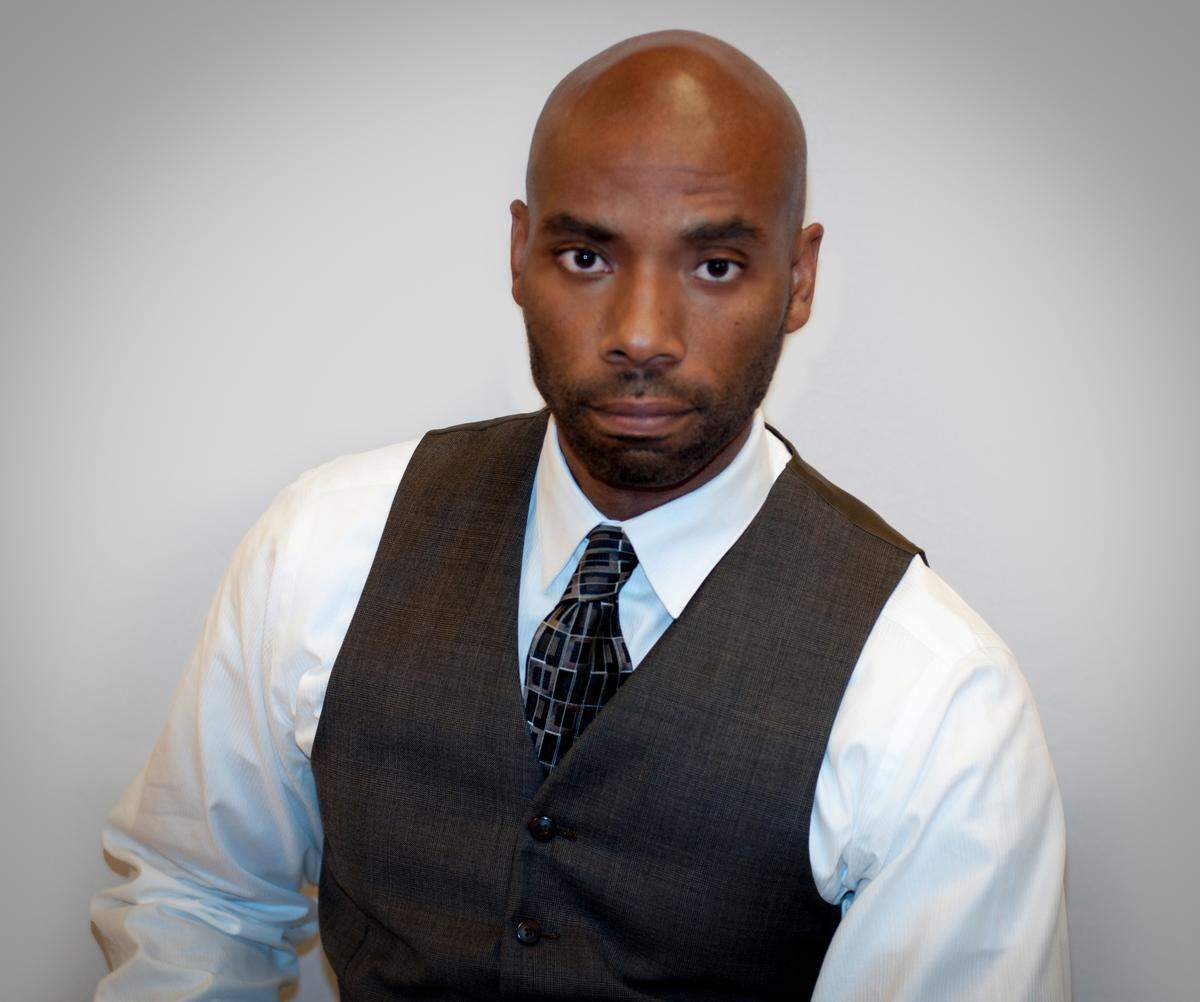
Randolph pressed her. “Do you realize how that statement or that phrase can be considered offensive to some people?”
“I keep hearing different politically correct ...,” she stammered. “Uh, at one point, they said it wasn’t politically correct. Now they’re saying it’s back to being politically correct. The other day I mentioned being a minority, they told me, no you can’t say you’re a minority. You have to say you’re a person of color. So I keep getting contradicting opinions about that.”
Aponte later went on to say she’d heard Meghan Markle, the American-born British Duchess of Sussex, refer to herself as a “colored woman” and said she did not know the term was offensive. Reached on Tuesday, Aponte said she misspoke and meant to say “people of color.” “I was nervous and I was talking fast,” she said.
Randolph, the moderator, told the Miami Herald that he was surprised that Aponte refused to acknowledge the term was offensive.
“It seemed to be something that was incredibly tone deaf with current events going on,” Randolph said in an interview on Tuesday.
Aponte, 47, is challenging Miami-Dade Circuit Judge Dava Tunis, who has been on the bench since 2000. Tunis, a longtime criminal division judge, has presided over hundreds of trials, including a host of death-penalty cases. Asked for comment, her campaign treasurer Cori Lopez-Castro said: “Judge Tunis has a stellar record from nearly 20 years on the bench. She has vast trial experience including many long and complex criminal trials. She shows model judicial demeanor, professionalism and respect for all those who come before her.”
In all, three current Miami-Dade circuit judges have drawn an opponent for the August primary, and two open seats will feature two-person races.
A former elementary school teacher, Aponte has been a lawyer since 2007 and has run unsuccessfully for judge two times in the past. She also works as a Florida partner for the Felicetti Firm, founded by a New York lawyer named Scott Felicetti — who was disbarred in that state in January for mismanaging client funds.
Her partnership with Felicetti has spurred a Florida Bar complaint. But her lawyer, Barry Wax, said Felicetti’s brother is a lawyer and now owns the company along with Aponte. The Florida Bar was given the paperwork months ago, Wax said.
“It’s all political attacks,” Wax said.
Her comment during the judicial forum comes during a sensitive time for the African American community, as leaders across the country call for an end to systemic racism. Part of that is rethinking how society describes race — many news organizations, including the Miami Herald, are now capitalizing “Black” when referring to African Americans.
While not considered an outright slur like the “n-word,” the term “colored people” long ago fell out of usage because of its “association with a bleak past,” wrote John C. McWhorter, a Columbia University linguistics professor. In a Slate essay after Good Morning America correspondent Amy Robach took heat for the term, he wrote that it invokes the time of the Jim Crow South, when segregated water fountains were labeled “colored.”
“The reason ‘colored people’ is offensive without being a term of abuse is that it reminds many people of times when we were, whatever we were being called, abused,” McWhorter wrote, adding that “people of color” is generally used in a more overarching way to describe Black, brown and even Asian American people.
Aponte, on Tuesday, insisted that her use of the phrase has been “blown out of proportion” by her political opponents. Aponte noted she represents people who have been victimized by discrimination, and is also a member of the National Association for the Advancement of Colored People, which still uses the term in its name.
This story was originally published June 17, 2020 at 6:00 AM.