The sound and the fury: Rubio’s Hialeah drama shows enduring impact of Miami Spanish radio
It wasn’t Christopher Monzon. Or his father. It wasn’t U.S. Sen. Marco Rubio, either.
No, the first person to publicly say that politics was behind the vicious beating Monzon, a Republican canvasser, suffered in the early evening on Sunday, Oct. 23 was a contributor to Miami’s top Spanish-language radio station, Radio Mambí.
On the morning of Monday, Oct. 24, Rosa Peña blamed paid “anarchist elements and leftists” for the attack, following a short interview she did on the air with Monzon’s father, Reynaldo Cedeno, in which he had described his son’s attack at the hands of “four animals.”
What’s transpired since that interview is a case study in the enduring and unique influence of Spanish-language radio in Miami as well as a lesson in how political narratives are cast, whether or not the known facts support them. The Miami Herald and el Nuevo Herald, in conjunction with Florida International University, has undertaken an examination of Miami Spanish-language radio to see how narratives take shape and how at times misinformation can flourish, particularly in the run-up to an important election.
Mic Check Miami received financing from Journalism Funding Partners, which received support from the Knight Disinformation Fund at The Miami Foundation.
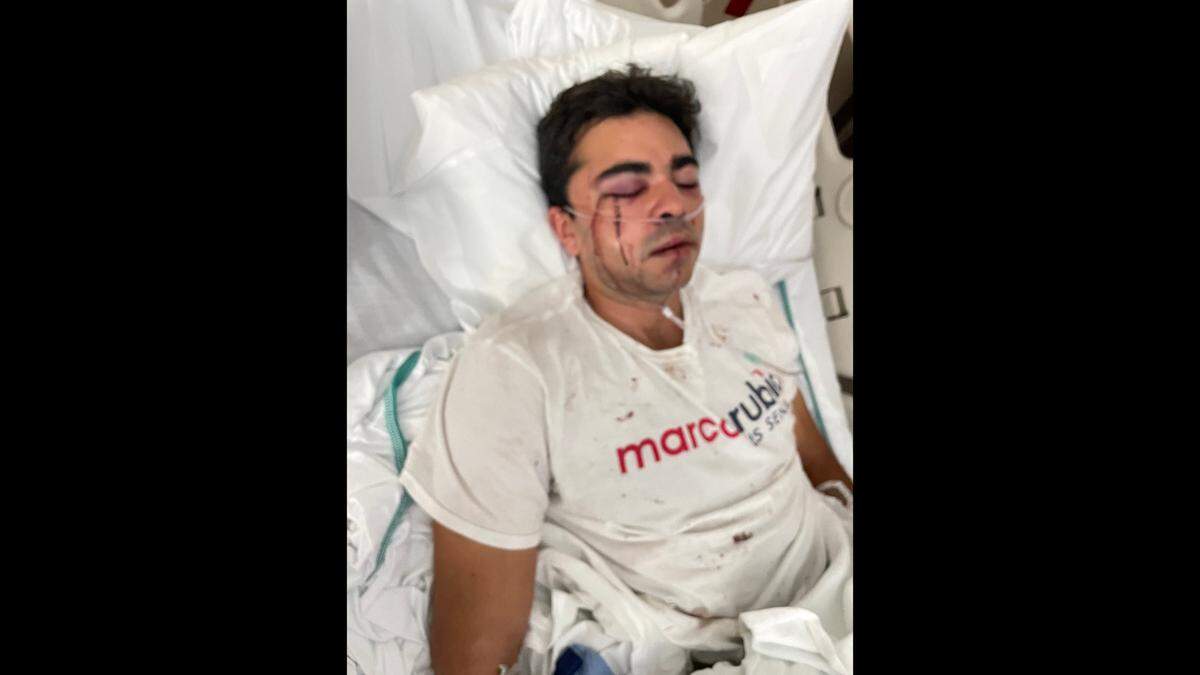
The radio interview with the father came the morning after Monzon, 27, was taken to the hospital in a blood-spattered Marco Rubio t-shirt following a street brawl that broke out while he was handing out fliers in Hialeah, a heavily Republican area, on behalf of the Florida Republican Party.
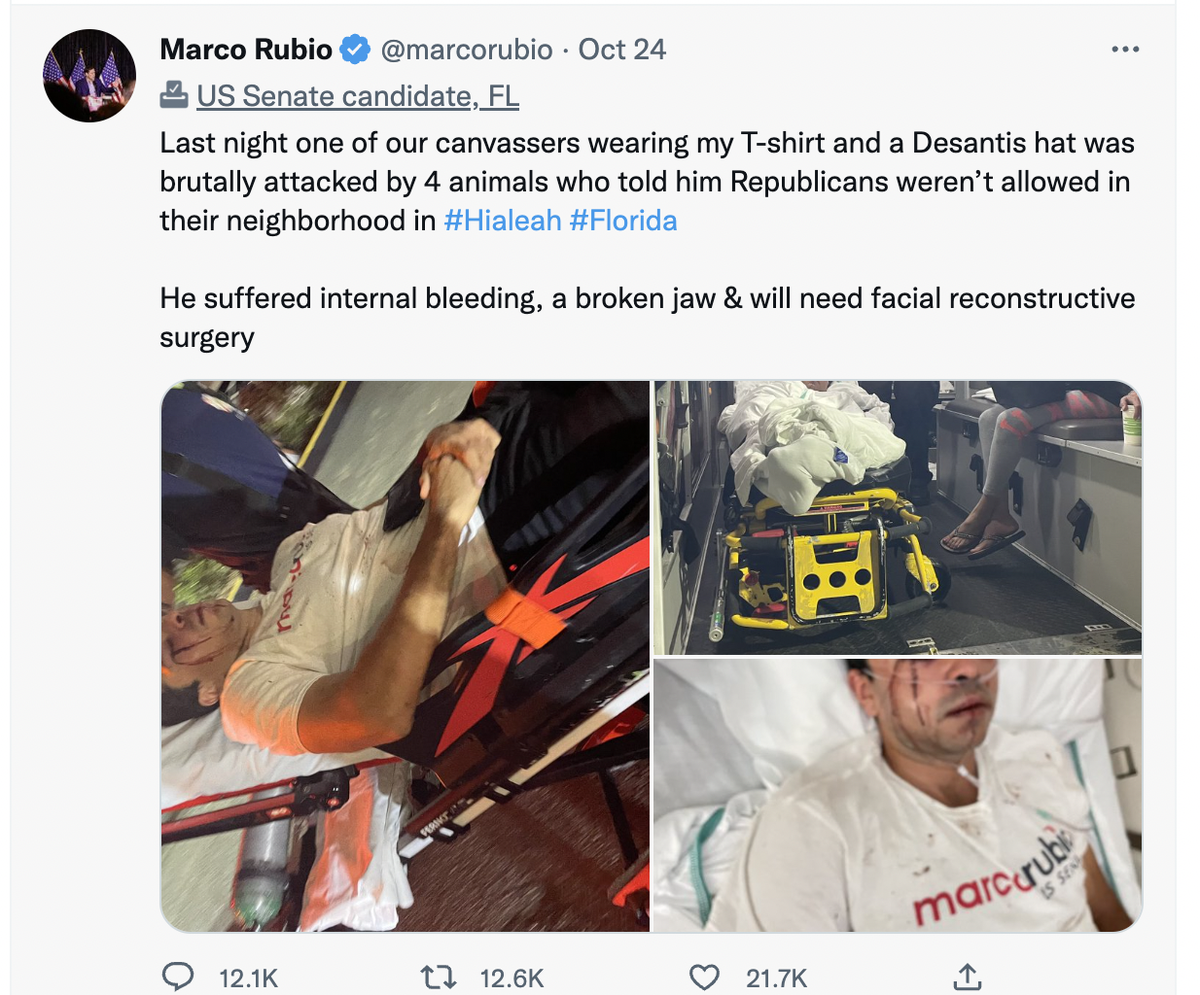
Less than two hours after the radio interview, Rubio sent out a message to his 4.4 million Twitter followers, describing Monzon’s beating at the hand of “4 animals who told him Republicans weren’t allowed in their neighborhood in #Hialeah #Florida.”
READ MORE: Was beating in Hialeah a political attack? A timeline of events
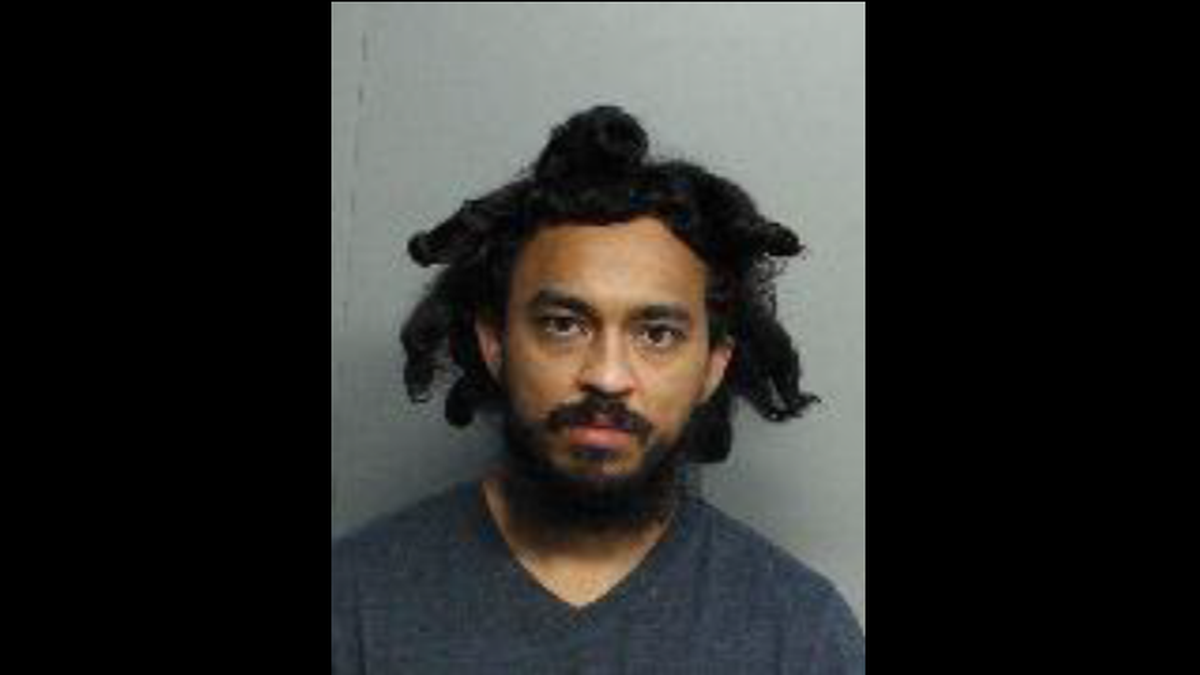
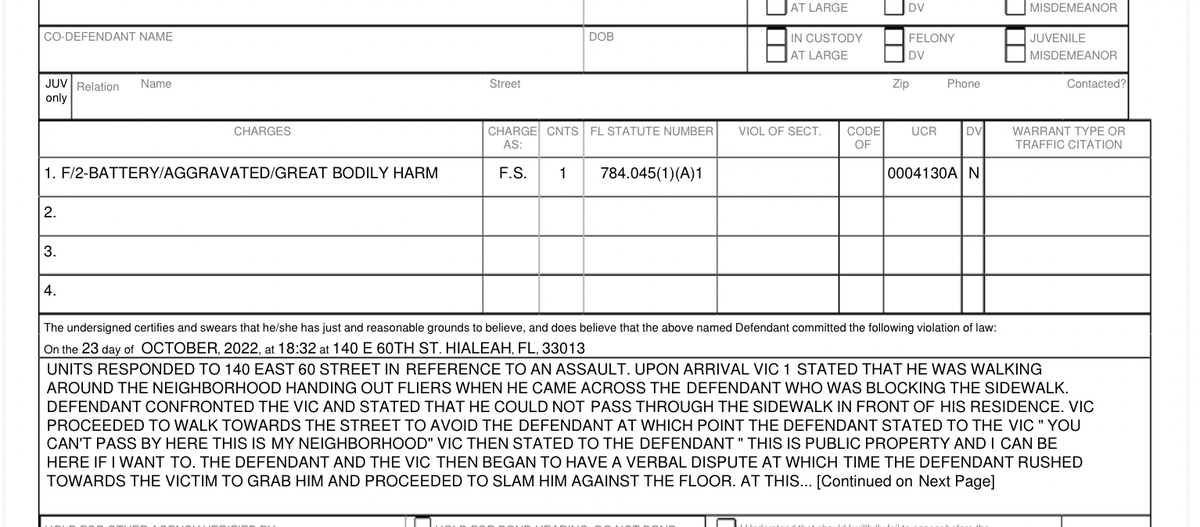
“Four animals” was the exact wording of the father in the interview with Peña. But he did not say the attackers were Democrats or leftists who didn’t like Rubio. So far, police have arrested only two people, Javier Lopez, 25, and Jonathan Casanova, 27, with no indication they are looking for others. The initial police report — the only one that existed at the time of the interview and based on the only police interview of Monzon at that moment — said nothing about harsh political words being exchanged. The political motive was stated by Peña.
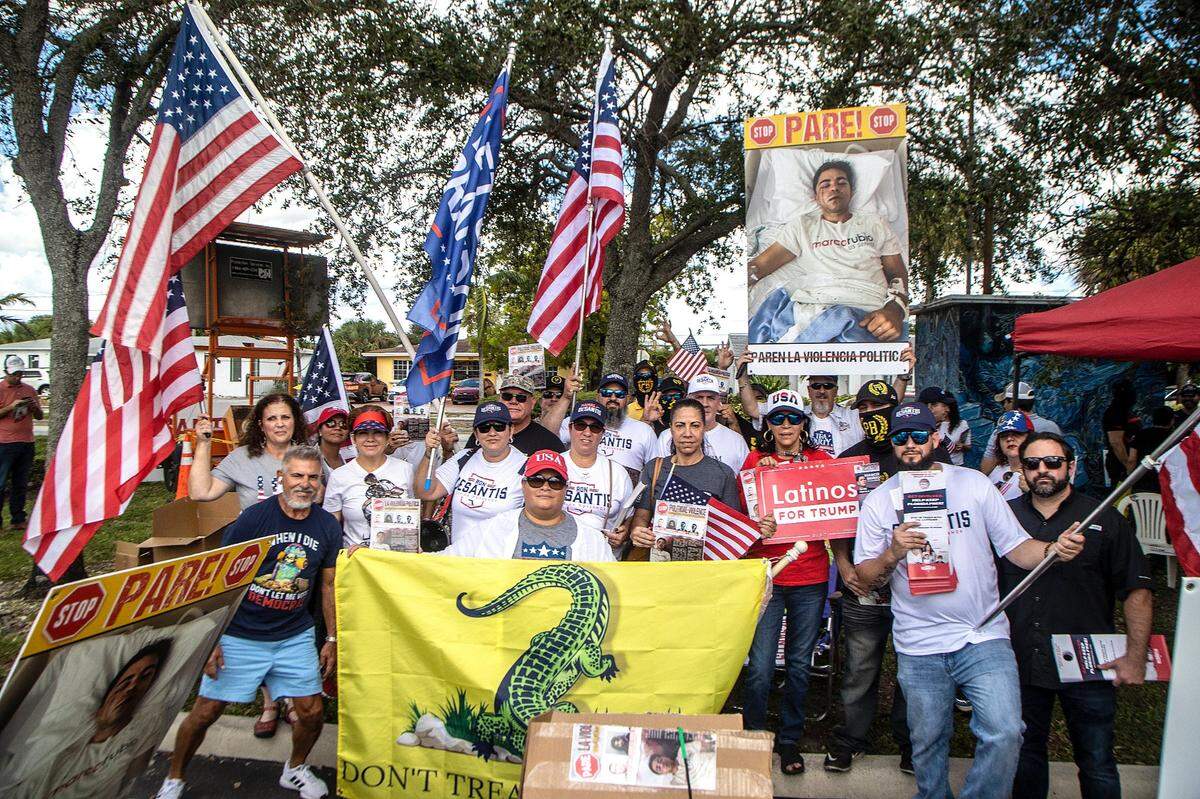
No matter. The story would take off. Hialeah police, who initially denied politics played a role in the brawl, would re-interview Monzon, who now said yes, the beating was political, with wording that aligned with Rubio’s tweet. What followed was a flurry of local news coverage and a hastily organized Saturday rally, by former and current Proud Boys aligned with the local Republican Party, in Monzon’s honor.
By Sunday, Monzon declared at another political gathering, “They want to destroy us all.”
Politics has gotten increasingly intense in recent years, with vitriolic rhetoric and spasms of actual violence. Bloody incidents have included a 2017 sniper attack on Republican lawmakers practicing for a baseball game, which left Rep. Steven Scalise seriously wounded, and 2017’s Unite the Right rally in Charlottesville, Virginia, which resulted in the violent death of a counter-protester, and the Jan. 6, 2021, pillaging of the Capitol by supporters of Donald Trump.
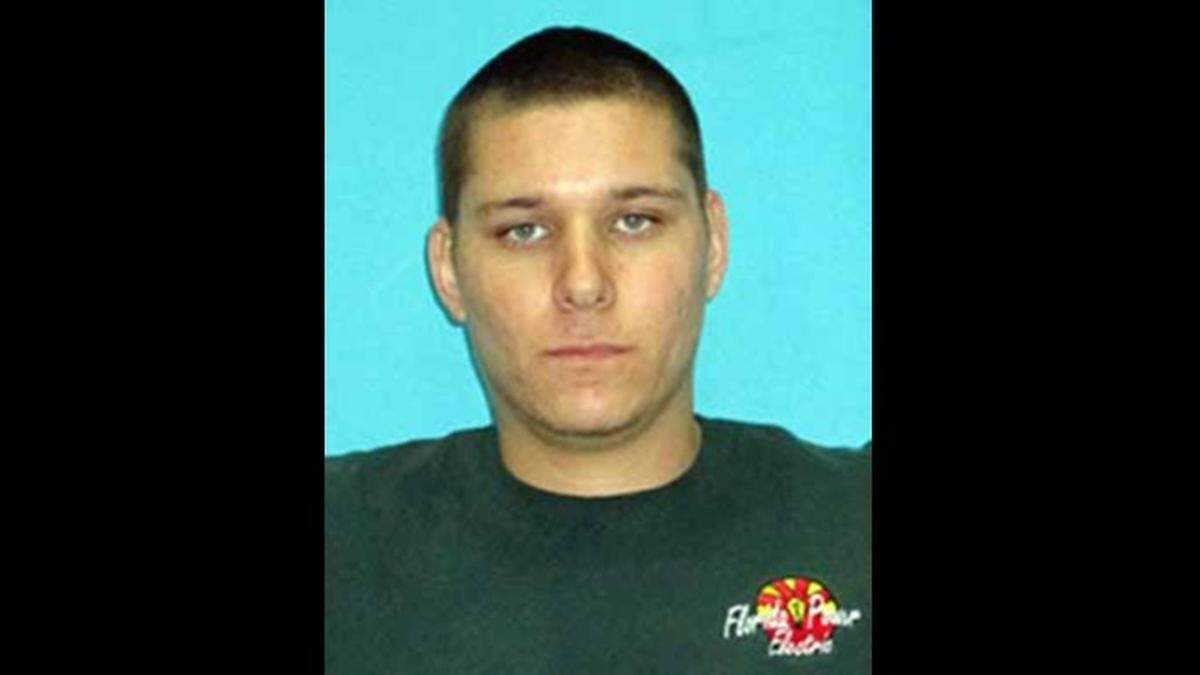
Monzon, in fact, participated in the Charlottesville rally and was arrested in that same year in Hollywood, Florida, while protesting the removal of the names of Confederate generals from street signs. He charged at counter-protesters, using the pole of a Confederate flag as a weapon.
The violent trend has continued with last month’s hammer attack on the husband of House Majority Leader Nancy Pelosi and the conviction this past week of a Trump supporter for shooting at two men displaying a “Ridin’ with Biden” flag on their personal watercraft in Miami on Election Day 2020.
The incident in Hialeah hardly ranks with Jan. 6, but it serves to blunt attacks by Democrats who claim Republicans, primarily Trump, are responsible for the coarsening of politics. The politics espoused on Miami’s Spanish-language radio has for decades aligned with Republican policies, seen as more critical of the Castro regime in Cuba.
“It’s a great story if you’re the Rubio campaign,” said Matthew Baum, a public policy professor at the Harvard Kennedy School and co-founder of the Kennedy School’s Misinformation Review. “It fits with the narrative coming from lots of Republicans that it’s the left that’s responsible for violence, not us.”
Peña, the Radio Mambí contributor who interviewed Monzon’s father, said that she had previously worked with Christopher Monzon during the primaries, which, if true, is something she did not divulge during the interview with his father. Contacted by the Herald, she declined to elaborate further. She said the vicious nature of the attack is why she concluded that it had been the work of paid political operatives.
“To me, these people were paid because no one does that for pleasure,” Peña told the Herald. She believed that Monzon was attacked to intimidate conservative voters and depress turnout during the midterm elections.
The mother of one of the attackers — she’s a registered Republican — told the Herald that politics played no role in the attack, pointing out that her son has never in his life voted. There’s no evidence to support Peña’s contention that the two arrested men were paid.
The Rubio campaign hasn’t wavered in its promotion of the story, and has criticized media coverage as “justifying” the beating and “smearing” of Monzon for recounting his past, including his previous membership in a white nationalist organization. It didn’t respond to multiple requests for comment for this story.
‘The voice that was coming from the other room’
Spanish language radio has long played an outsized role in shaping and reinforcing opinions in Miami’s Latin American community, and especially Cuban Miami.
Unlike most other markets with Spanish-language media, the bulk of Miami’s Spanish-language talk programs are helmed by conservative commentators and journalists, many of them members of the exile movement that has helped propel the transformation of Miami into a global city over the past half century.
Ratings are down from radio’s heyday, and social-media influencers are rising in popularity on platforms like YouTube, Facebook, and Telegram but the stations remain influential and continue to draw area politicians to their programs.
Nielsen data show that the top stations continue to be WAQI-Mambí, owned by conglomerate TelevisaUnivision, and locally-owned WURN-Actualidad.
But the landscape is changing as new players enter the market and stations change hands.
Mambí, for decades a voice for Miami’s Cuban exile community, is in the process of being sold to Latino Media Network. The media startup is led by figures with ties to Barack Obama’s presidential campaigns and is relying on a company tied to liberal mega-donor George Soros to help finance the deal — links that have spurred some of the station’s hosts to leave.
Americano Media, a new Spanish-language talk station created with the goal of bringing Miami’s conservative media brand to a national audience, just went live on 790 AM with Radio Libre, replacing a sports talk station after striking a deal with Audacy, owner of more than 200 stations. It has welcomed some of Mambí’s former hosts.
And Salem Media Group, a conservative Christian media company, just announced deals to purchase La Poderosa and Cadena Azul, stations that are influential in Miami’s Cuban exile community.
In June 2021, four progressive Miami organizations released a report analyzing Actualidad 1040 and Radio Mambí’s coverage of the Jan. 6. attacks on the U.S. Capitol. The report found that the stations played a significant role in spreading false claims questioning the legitimacy of Joe Biden’s presidency and blaming members of Black Lives Matter and Antifa for the Jan. 6 assault on the Capitol.
The blurring of traditional news and opinion on many shows on these stations was part of the problem, the report asserted.
“People should be transparent about when something’s their opinion and when something’s factual,” said Ana Sofía Peláez, a co-founder of the Miami Freedom Project, one of the groups that sponsored the report.
Peláez, who grew up in Miami’s Cuban community and is the author of “The Cuban Table,” an overview of food and culture, said that Mambí, the station on which the interview with Monzon’s father appeared, was a constant presence in Cuban-American households when she grew up in Miami.
“I think most people would probably think of Radio Mambí as just the voice that was coming from the other room,” Peláez said.
Mambí, and several of its Spanish-language peers in Miami, have been anti-Castro, conservative voices from their earliest days, said Eduardo Gamarra, a political science and international relations professor at Florida International University. Gamarra points to early pioneers in Spanish- language radio in Miami, such as Radio Mambí’s Armando Pérez Roura, who emigrated from Cuba and brought with them a more partisan view of the role of media.
“When they arrive here, the style of radio they know how to perform is toeing the party line,” Gamarra said.
Giancarlo Sopo, who oversaw Hispanic advertising for Donald Trump’s 2020 presidential campaign, said that he believes the impact of Spanish radio stations on Miami is overstated and that, overall, the audience for Mambí and other Spanish language stations is aging and shrinking.
But as Peláez points out, Mambí is still widely known in the community.
“If you cite Radio Mambí, it’s a known quantity,” she said.
Peláez criticized both Mambí and the Rubio campaign for promoting the story that Monzon’s attack was politically motivated before all the facts were known.
“This is a crime that took place. It should be investigated,” she said. “That should be the story. I don’t see any benefit from raising the temperature.”
Crafting the narrative
Julio Ligorria, a public relations consultant who has done work for Democrats and progressive causes, said he understood why the Rubio campaign would promote the story, even as the details were murky.
“As a political operative, I would have,” he said.
As he saw it, the story contained the three elements crucial to promoting a political narrative.
The first, he said, is a “prepped and willing audience,” such as Mambí’s loyal listeners.
The second is a sympathetic subject, such as Monzon, who is a member of the Cuban community who took a beating while canvassing.
The final ingredient, he said, is someone who can validate the story.
That’s where Sen. Rubio comes in.
Rubio, unlike Gov. Ron DeSantis, who polls well in Miami despite being from distant Dunedin, was raised in the same Cuban community — a favorite son. And Ligorria said that’s why he was the perfect person to share Monzon’s account.
“It would not have been the same story without Marco Rubio,” he said. “You have to have someone who’s credible.”
This story was originally published November 6, 2022 at 6:00 AM.