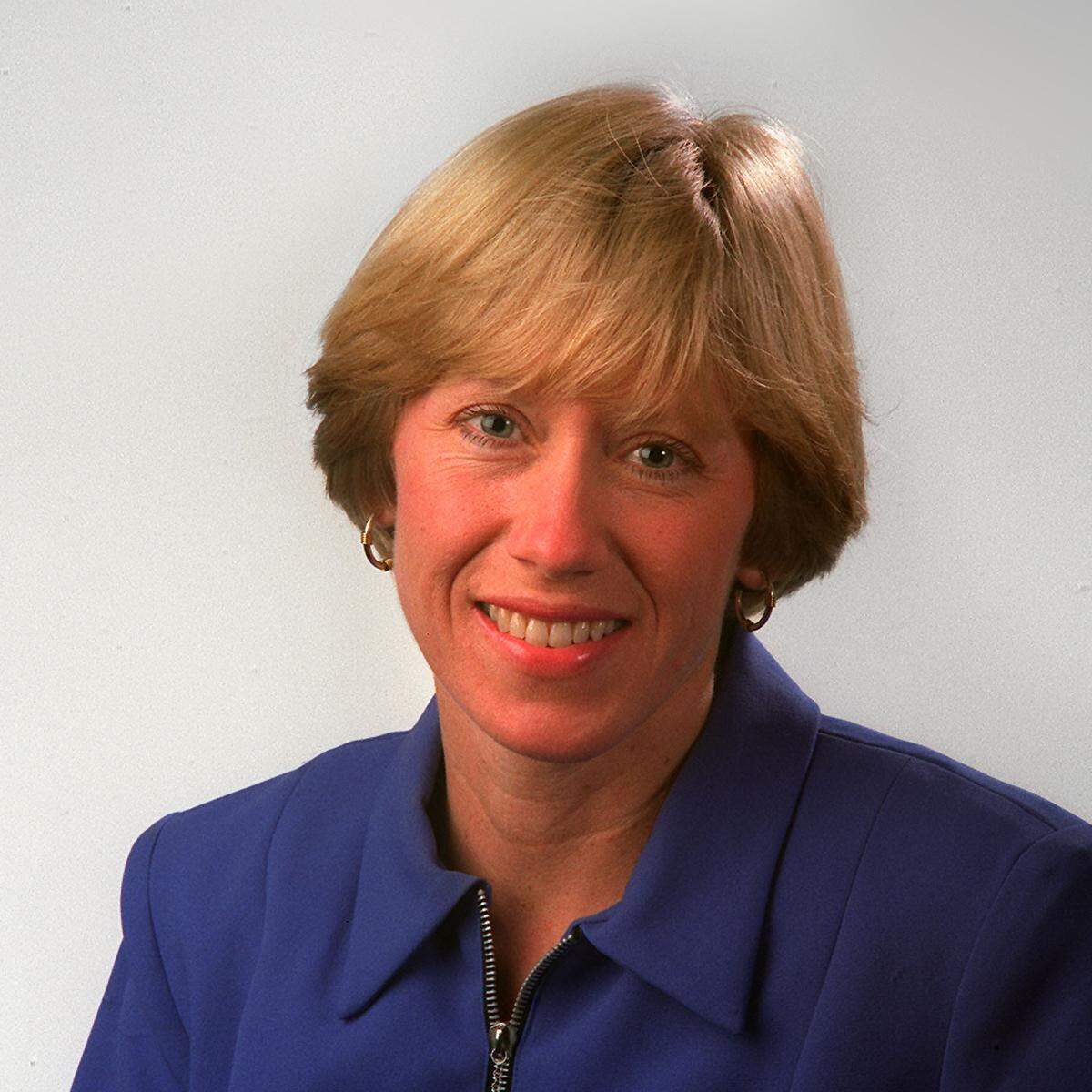
Gilbert edges Fulton in Miami-Dade commission race that was closely watched nationally
In a race being watched far beyond Miami-Dade County’s borders, Miami Gardens Mayor Oliver Gilbert edged out political rookie and Black Lives Matter matriarch Sybrina Fulton, whose support surged in the wake of George Floyd’s death.
With all 50 precincts counted for the District 1 seat on the county commission, Gilbert had 50.63 percent of the vote to Fulton’s 49.37. The margin was just over 421 votes of more than 33,000 cast.
Many Miami-Dade political analysts had expected Gilbert, mayor of his hometown for eight years, to win comfortably but the race proved a dead-heat. On Tuesday night, Gilbert said that was what he had expected.
“This extremely close election is proof positive that every vote matters. I was expecting a tight race going up against a candidate with national notoriety. But I always had faith in our local voters, in the voters of our communities,” he said. ”I ran a solution-based campaign that enabled me to move and motivate voters and go for this victory.”
Gilbert would succeed term-limited Barbara Jordan on a commission undergoing a makeover and help him expand on the political clout he has earned for running Florida’s largest Black-majority city. He would be one of at least five new faces among 13 commissioners led by a new county mayor. The district encompasses Miami Gardens, Opa-locka and Carol City in the northwest region of the county.
The race between Gilbert and Fulton was elevated to a national profile because of Fulton’s stature in the Black Lives Matter movement.
After her teenage son Trayvon Martin was shot to death by a white neighborhood watch volunteer in 2012, she joined other mothers who lost children in violent confrontations and police brutality incidents to fight for racial justice. She attended George Floyd’s funeral and marched in protests in Miami and other cities wearing a T-shirt imprinted with Trayvon’s image. Hillary Clinton and Cory Booker were among those who endorsed Fulton. Jay-Z and Jussie Smollett made campaign contributions, along with a network of small donors from across the nation.
But it wasn’t enough to match the funding of Gilbert, who had the backing of the county’s traditional power brokers and political donors as well as that of Jordan.
Fulton, 54, was running for government office for the first time after a career working in five county departments and promised as the “voice of the people” to make the bureaucracy less of a morass and more responsive to residents. She was also determined to end “Black flight” from Miami-Dade County, an unaffordable and unsatisfying place to live for many of her neighbors, she said. She ran an inspired campaign, following in the footsteps of other women in the Black Lives Matter movement who entered politics.
Both Gilbert and Fulton view the civil unrest that has mobilized Americans since Floyd was killed by a Minneapolis police officer in May as part of a national reckoning on race. Uprooting discrimination — in housing, employment, education and transportation — will be one of his goals as District 1 commissioner, Gilbert said.
Gilbert, 47, a lawyer and former prosecutor in the state attorney’s office, says reshaping the Miami Gardens police department “organically” with local personnel was key to a 39 percent reduction of crime in the city and an increase in the number of Black officers to 50 percent of the force. He’d like to introduce similar changes and add more emphasis on implicit bias training and community policing at the county level.
Gilbert is also proud of Miami Gardens’ $50 million investment in parks and youth programs.
“The defund police movement has occurred as people have watched government defund social services,” he told the Miami Herald during his campaign. “A budget is a true expression of your priorities. Prevention of violence should come before suppression of violence.”
Gilbert’s priorities include improvements to public transit, more affordable housing, innovative economic development and a push for federal relief funding to businesses hardest hit by the coronavirus pandemic.
Gilbert, like Fulton, is a resident of Miami Gardens.
“I do feel extra pressure because I was born and raised here, my mom lives here, I’m living in the house I grew up in until age 10, and so I’m basically mayor of 113,000 friends and family,” he said. “When people say bad things about Miami Gardens, I can honestly say it is not a bad place and we are not bad people. So many people here do extraordinary things and have built extraordinary lives. We figured out how to fix problems. I think we changed expectations in Miami Gardens.”
This story was originally published August 18, 2020 at 9:41 PM.