
Lincoln Díaz-Balart, defender of immigrants and democracy for Cuba in Congress, is dead
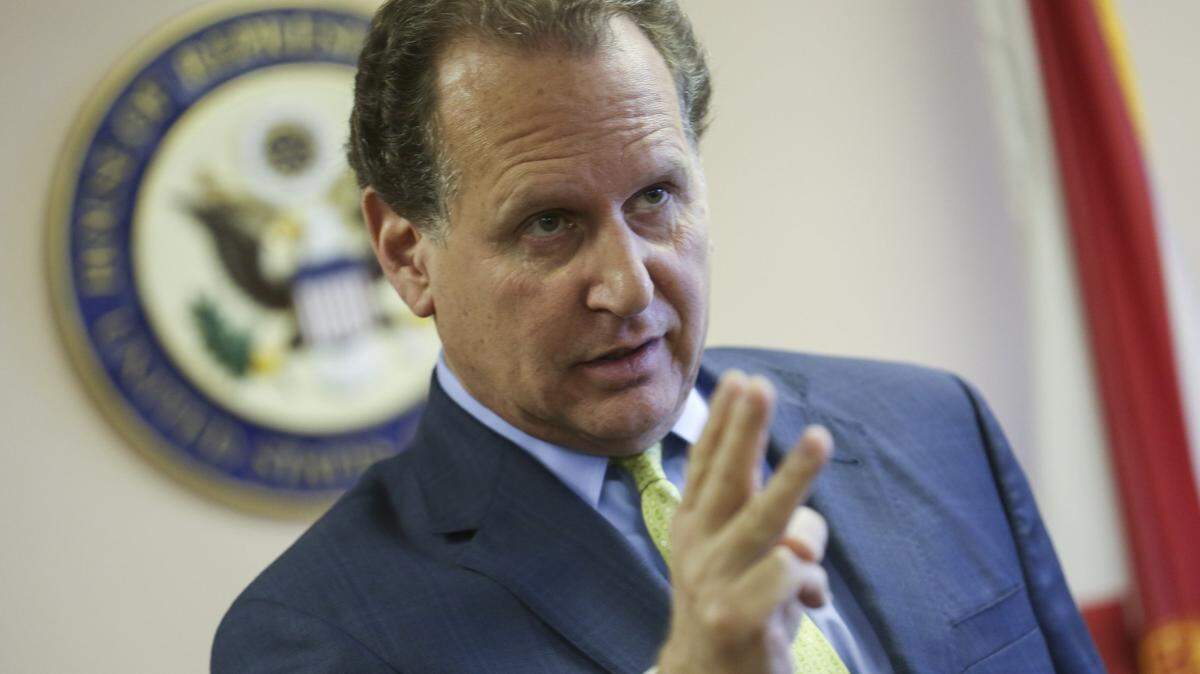
Lincoln Díaz-Balart, a Cuban-American Republican politician who defended immigrants and fiercely opposed Fidel Castro’s regime to help restore democracy in his native Cuba while serving for almost two decades in Congress representing South Florida, died on Monday at 70.
His son, Daniel, said Díaz-Balart died of cancer.
News of his death was made public on X by his brother, U.S Rep. Mario Díaz-Balart.
“Defender of the silenced and oppressed, author of the democracy requirement for the lifting of U.S. sanctions against the Cuban dictatorship, and the author of the Nicaraguan Adjustment and Central American Relief Act, Lincoln’s legacy of achievements will endure for generations,” Mario Díaz-Balart said.
Secretary of State Marco Rubio, a Cuban American and former Florida senator, called him a “trailblazer and tireless freedom fighter” in a statement Monday evening, sending condolences to the family.
“The life and legacy of Lincoln Díaz-Balart is a tribute to the American Dream and the unwavering defense of human rights and democracy in our region,” he said. “Lincoln’s vision and leadership, after 18 years in the U.S. House of Representatives and over 20 years in public service, are a testament to his profound love for the United States and the cause of freedom and democracy.”
A Cuban success tale
Díaz-Balart, born in Havana in 1954, came from a powerful political family in Cuba that replicated their success in the United States after they had to flee Castro’s revolution. His grandfather, Rafael José, was the mayor of Banes, a town in eastern Cuba, and his father Rafael Lincoln, was a power broker who rose to president of the Cuban Senate under Fulgencio Batista.
The family left Cuba in December 1958, the month before Castro’s victory over Batista, and never returned. They settled in Miami but moved to Spain in 1963. His parents divorced in 1975 and his mother, Hilda Caballero Brunet, returned to Miami with the children.
Diaz-Balart’s aunt, Mirta, who died last year, married Castro in 1948 but divorced in 1955 after Rafael denounced him as a radical. She was the mother of Castro’s eldest son, the late Fidel Castro Díaz-Balart, a nuclear physicist who Cuban authorities said died by suicide in 2018.
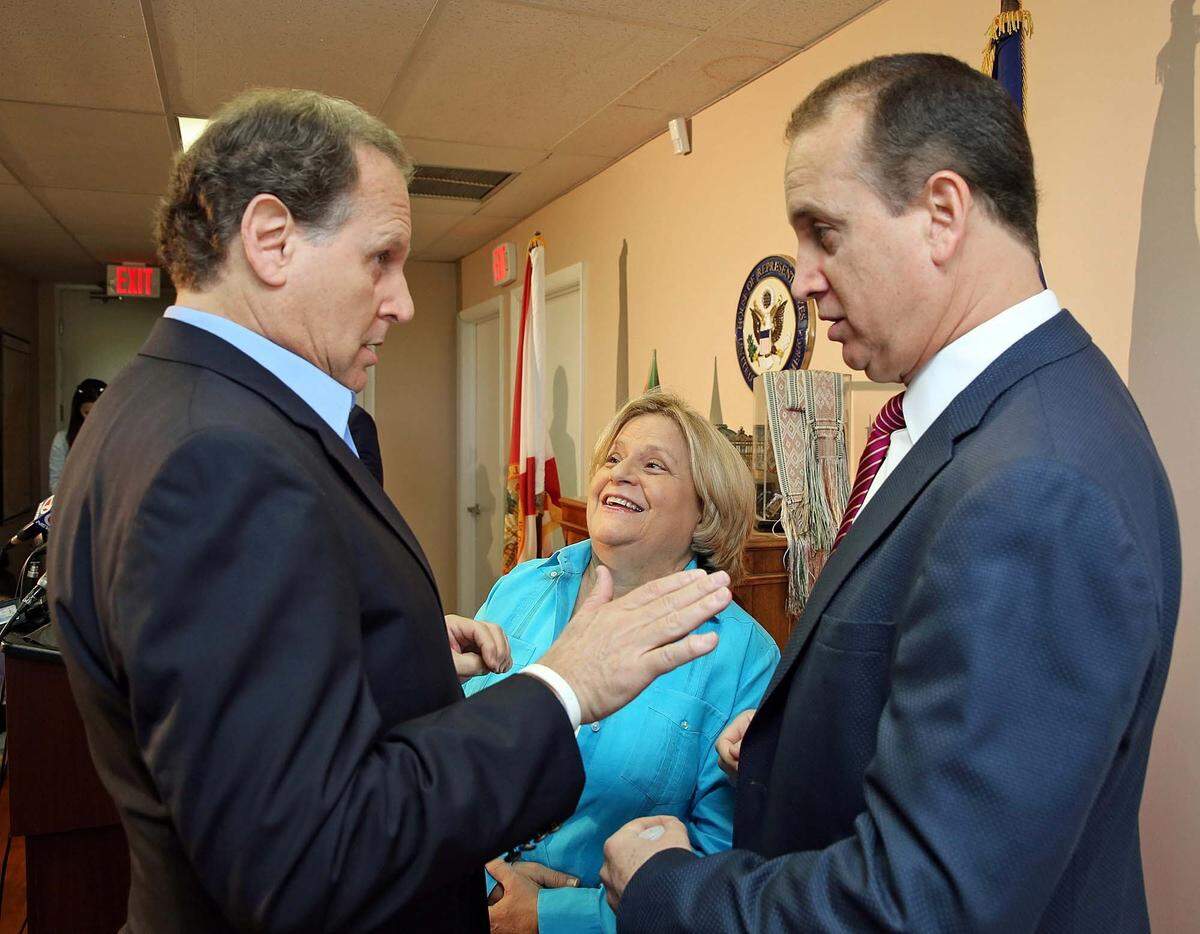
During his time in Congress, between 1993 and 2011, Díaz-Balart continued the family’s passionate opposition to the regime in Havana and became known as a hardliner on Cuba policy. He wrote legislation tightening the U.S. embargo and tying the lifting of sanctions to a democratic transition in Cuba.
In 1996, with the help of fellow Cuban Americans in Congress Ileana Ros-Lehtinen and Bob Menendez, he managed to write into the Cuban Liberty and Democratic Solidarity Act, also known as the Helms-Burton Act, three conditions needed before the embargo can be suspended: the liberation of all political prisoners, the legalization of all political parties, of the independent press and labor unions and scheduling of free elections with international supervision.
“I believe it was the most important achievement of my 18 years in the U.S. Congress,” he later said.
That, in turn, made him the target of virulent criticism by the Cuban government and frequently the subject of attacks in state media, which started calling him, his brother Mario and Ros-Lehtinen “the Miami mafia.”
Díaz-Balart also advocated for comprehensive immigration reform while in Congress and warned after he retired that Republicans should not ignore Hispanics.
“If we become perceived as an anti-immigrant party, America, being a country of immigrants, will never allow us to be the majority party,” he said in 2012.
Díaz-Balart was a towering figure in the Cuban American community, and news of his passing was immediately lamented by many of his closest friends, former staffers and community leaders.
“Such a sad day,” Ros-Lehtinen said. She used to call the trio of lawmakers — Díaz-Balart, Menendez and her — los tres amigos, the three friends. “On a personal level, I will miss our conversations and the wise counsel he always provided to me.”
But she reserved the highest praise for his work for Cuba’s freedom.
“The oppressed people of Cuba had no greater advocate for their freedom than Lincoln. He made it his life’s mission to call for democracy and human rights for his native land,” she said. “Never did a day go by when Lincoln’s voice would not be heard demanding that political prisoners be freed, that a restoration of democratic norms be restored and that the cruel and evil regime on the island be relegated to the dustbin of history.”
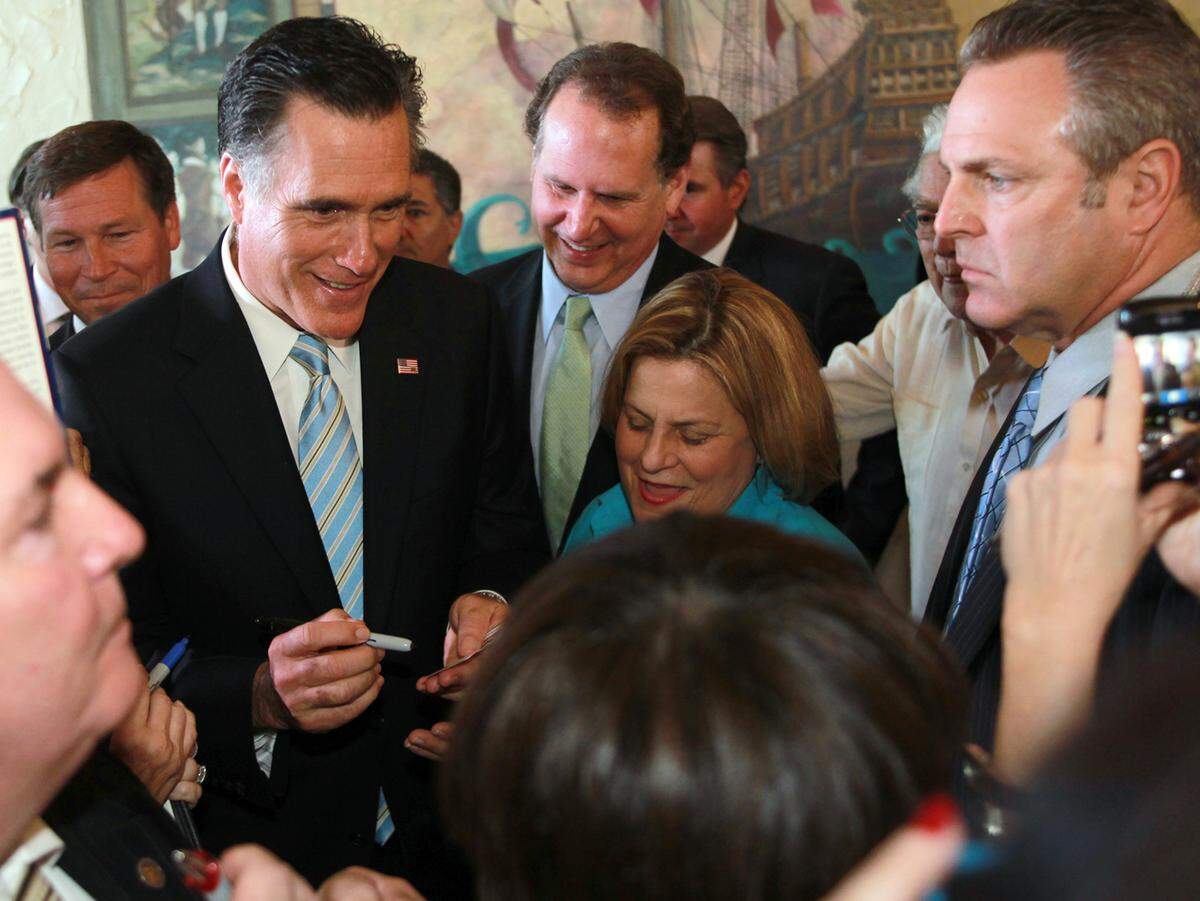
Jeff Bartel, the chairman of the Hamptons Group who worked as Díaz-Balart’s chief of staff when he was first elected to Congress, praised his former boss for living “each day with courage, conviction and an unwavering belief in democracy and decency.
“No one was more devoted to his family, his community, or the cause of democracy. His passion for freedom, especially for the Cuban people, was relentless. Losing Lincoln is an immeasurable loss,” he said.
Miami attorney Marcell Felipe, founder of Inspire America, a group that advocates for freedom for Cuba and the Americas, noted that Diaz-Balart motivated an entire generation to continue fighting for global freedom.
“A great American statesman, a great Cuban statesman, a great human being, a great father, a great friend to everyone, except the enemies of freedom,” said Felipe, who also chairs the board of directors of the American Museum of the Cuban Diaspora.
Miami Cuban Americans in Congress and many of his former House colleagues also posted words of praise on social media.
“Today we lost one of the greats,” U.S. Rep. María Elvira Salazar said of the former congressman. “His legacy will live on and occupy a special place on the altar for a Free Cuba.”
U.S. Rep. Carlos Giménez called Díaz-Balart “a titan, a patriot, and a champion for freedom.”
New York U.S. Rep. Nicole Malliotakis, whose mother left the island after Castro rose to power in 1959, said Díaz-Balart “paved the way for many of us. His advocacy for a free Cuba, outspokenness against the communist regime and leadership on issues affecting Hispanic-Americans have left a mark and he will be greatly missed.”
Carlos Curbelo, a former U.S. representative who started his political career as an intern in Díaz-Balart’s office, said he had long admired him since he was a high school student.
“A mentor who taught me that leadership requires strength of character and also kindness, love,” he said.
On Monday afternoon, Florida Governor Ron DeSantis said the entire state was mourning his loss.
“He was a leader in the Cuban American community and respected in our state,” he said on X. “There was no greater enemy to Communism than he was, and the world is better for his efforts against it.”
Díaz-Balart is survived by his wife, Cristina, his son Daniel, a lawyer, and his brothers Mario, Rafael, a retired finance business expert, and José, an anchor for NBC News.
His first son, Lincoln Gabriel, died by suicide in 2013, turning his father into a suicide-prevention advocate.
“I would like to thank this community for entrusting him to be their voice in Washington, D.C. for so long,” Daniel Díaz-Balart told the Herald. “Because of the trust they placed in him, Lincoln was able to use his position to help so many, and to fight for such dignified and important causes. His legacy, and what he was able to achieve, are the legacy of this community, and we are eternally grateful. What an honor it has been to be the son of Lincoln Díaz-Balart.”
Plans for a memorial service are pending.
Miami Herald reporter Howard Cohen contributed to this story.
This story was originally published March 3, 2025 at 11:24 AM.
