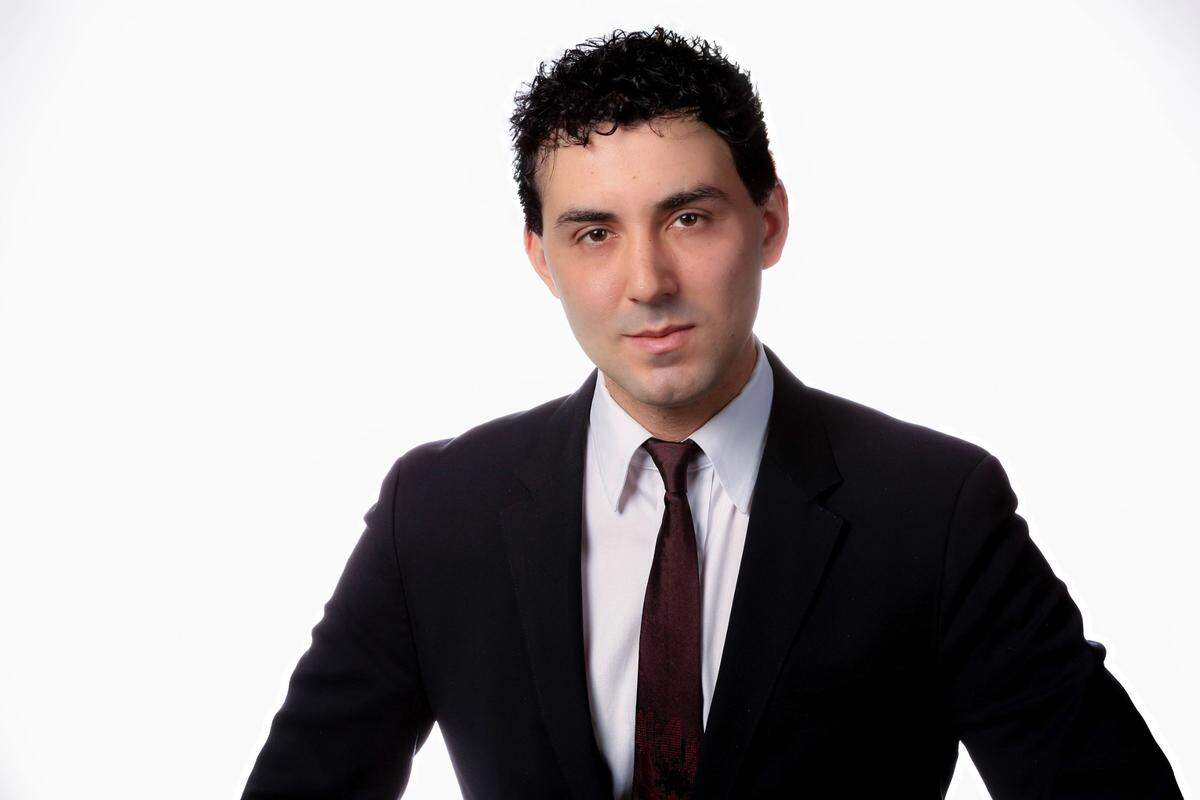
Biden grants clemency to infamous UM booster and Ponzi schemer Nevin Shapiro
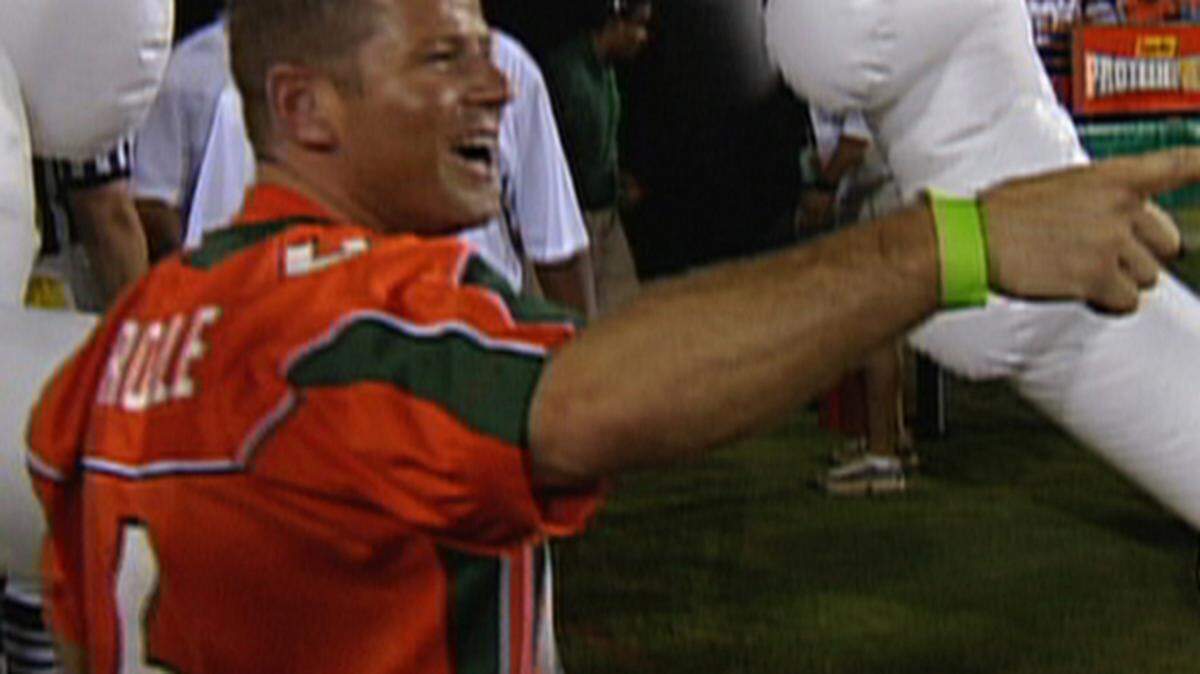
Nevin Shapiro, a convicted Ponzi schemer whose entanglement with the University of Miami blemished the institution’s reputation and dragged its football team into scandal and NCAA sanctions, was granted clemency by President Joe Biden this week as part of a sweeping list of commutations.
Shapiro, convicted in 2010 on federal charges of securities fraud and money laundering in New Jersey after overseeing a $930 million Ponzi scheme, was sentenced in 2011 to 20 years in prison. He had spent the last four years in home confinement after being released from prison during the COVID-19 pandemic.
The White House did not immediately respond to a request for comment about the decision to commute the final years of Shapiro’s sentence, which was expected to end in June of 2026. In a statement announcing Biden’s clemency actions, the White House said that the president was commuting the sentences of close to 1,500 individuals “who were placed on home confinement during the COVID-19 pandemic and who have successfully reintegrated into their families and communities.”
“The president is intent on granting clemency to individuals convicted of non-violent crimes who were sentenced under outdated laws, policies, and practices that left them with longer sentences than if the individuals were sentenced today,” the White House said.
Shapiro could not be reached Friday evening. His attorney did not immediately respond to an email seeking comment.
Court records show that since Shapiro was released from prison in 2020, he has been helping to care for his ailing father, who lives in Boca Raton, with permission from the federal government. Shapiro himself suffers from hypertension and hypertrophic cardiomyopathy, and has been hospitalized at least twice since being released from prison, court records state.
This year, Shapiro sought compassionate release from the remainder of his sentence. In an order denying his request, a federal judge in New Jersey noted that, during incarceration and home confinement, Shapiro “has invested in himself and attempted to contribute to society.”
“Defendant cooperated with law enforcement to recover forty million dollars in funds connected with his fraudulent scheme, and he is a witness in a civil trial to recover more funds,” wrote District Judge Susan D. Wigenton. Shapiro had been ordered in 2011 to return nearly $83 million in restitution to investors.
Shapiro also “participated in a six-month, faith-based program while incarcerated, taught some sections of the course, and participated in at least thirty-six other voluntary courses.”
In a statement provided to Yahoo Sports in 2020 following his release from prison, Shapiro said that prison had been a “life-altering experience” and that he had “never stopped thinking about my victims.
“I’m looking forward to spending time with my parents who I need to care for. I am looking forward to moving forward with my life,” he said.
Shapiro’s scheme was based on an organization he founded called Capitol Investments USA, which he claimed would purchase wholesale groceries and then sell them upmarket. During that time, he became an influential booster at the University of Miami.
The rogue UM booster sparked an NCAA probe by bragging that he showered Hurricane athletes with gifts and favors. Shapiro reportedly spent about $170,000 providing gifts and special benefits to Hurricane athletes and recruits, most of it trying to lure prominent UM football players to sign with the sports agency he was helping launch. UM self-imposed a two-year bowl ban and voluntarily reduced its recruiting visits. In 2013, the NCAA put the university on probation for three years and took away nine football scholarships and three basketball scholarships.
This story was originally published December 13, 2024 at 5:11 PM.