
DeSantis, with ‘lowered expectations’ and a revamped campaign, focuses on the economy
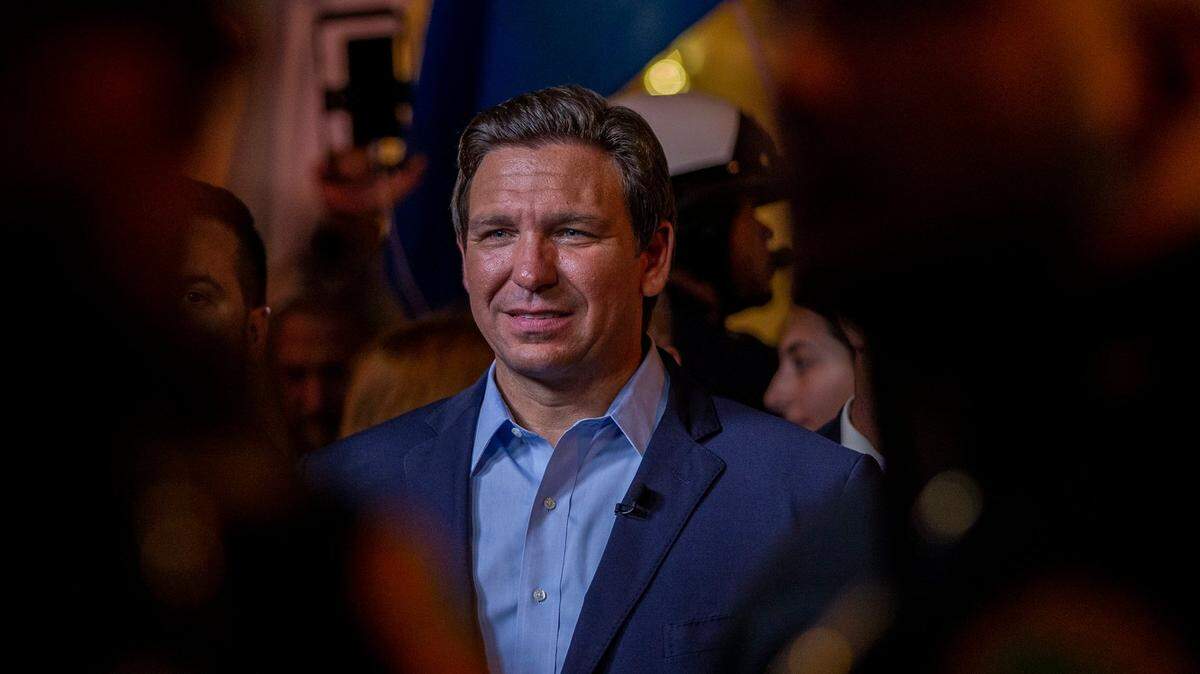
Florida Gov. Ron DeSantis unveiled a broad list of economic proposals on Monday that sought to meld traditional conservative principles with populist messaging as he looks to rebound from a rough stretch on the campaign trail.
The speech marked the latest major policy rollout of DeSantis’ presidential campaign, and was also one of the clearest signs yet of how he plans to revamp his White House bid and messaging after weeks of flagging poll numbers and financial strains.
The rollout seemed to appeal to a broader swath of the GOP electorate. Speaking to a small crowd in Rochester, N.H., DeSantis vowed to rein in government spending and toughen welfare requirements while also railing against the country’s wealth gap and corporate culture.
The speech touched on many of DeSantis’ familiar talking points: that the United States is in decline, that so-called “woke” corporations have put politics above the interests of their shareholders and that China has taken advantage of the U.S. on virtually every front.
But the remarks were also intended to show a more populist, even sympathetic, side of DeSantis. He lamented that the cost of living has left the American dream out of reach for millions of the country’s workers, while the richest Americans have seen their wealth balloon.
READ MORE: DeSantis is the early king of Florida campaign cash. See where he’s outpacing Trump
And he talked about how higher education has become cost prohibitive, forcing young people to take on massive sums of debt to pay for college — arguing that such debt should be discharged in bankruptcy like most other forms of debt.
“We are today declaring our economic independence from the failed elites and policies that have harmed this nation’s middle class,” DeSantis said. “We will diversify, and we will expand our economy. We will reward hard work and ingenuity. We will usher in a new era of growth, prosperity, and civic pride. We are a nation with an economy, not the other way around.”
DeSantis also took questions from reporters after his remarks, though preemptively warned that he would not answer “anything that’s not about the economy.” Notably, he called on reporters from news outlets he has long shunned, like The New York Times.
A Shift in Strategy
The Monday appearance in New Hampshire served as a tacit acknowledgement by the governor that he’s not likely to win the 2024 Republican nomination by talking about the culture wars and his record in Tallahassee alone. It’s part of a broader reboot for the campaign, which is scrambling to right the ship after a rocky start to the primary season.
The reset comes amid a broad admission — from neutral Republicans and even some close allies of the governor — that the governor’s pathway to victory in the GOP primary looks radically different than it did when the year began.
READ MORE: What reset? Republicans cast doubt on the idea that DeSantis is rebooting his campaign
Once billed as a candidate who could battle toe-to-toe with the former president nationally, the governor has now recast his candidacy as an “insurgency,” focused on small events in early states like Iowa and New Hampshire that could eventually help springboard him to victory there.
DeSantis’ support nationally in the GOP race has cratered since the year began. In January, the governor had the support of roughly 40% of GOP voters, according to the statistical website FiveThirtyEight.com, more than double the nearly 16% support he has now.
“He had such an advantage coming into this race, and he squandered it,” said Craig Robinson, a veteran GOP strategist in Iowa. “So now the pressure is they have to navigate and get this exactly right if they want to win. And he can’t take another blow, you know?”
DeSantis’ fall to earth has also changed the complexion of the overall primary, shifting it from a two-person race between the governor and Trump to a contest in which other candidates — U.S. Sen. Tim Scott, former Vice President Mike Pence, entrepreneur Vivek Ramaswamy, and former South Carolina Gov. Nikki Haley among them — see a new opening to vault into contention.
The Florida Republican still leads his other rivals by double-digit margins in most surveys, but GOP operatives say voters skeptical of Trump are giving them a fresh look.
“The thinking out of the gate was they were going to get this down to a two-person race and make people decide, well, it’s us or them,” Robinson said. “Well, they’re not going to get there, not before Iowa.”
READ MORE: DeSantis’ campaign ‘reset,’ sounds like familiar pitch at high-profile Iowa GOP dinner
A New York Times/Siena poll released Monday found DeSantis at 17% while Trump stood at 54%, a 37-point deficit. Pence, Scott and Haley each received 3% support, with Ramaswamy at 2%.
DeSantis’ campaign has also dealt with growing financial concerns after spending exorbitantly in the opening weeks of his presidential bid. The campaign raised $20 million in the six weeks following his announcement, but burned through money at a rapid pace and finished June with only about $9 million left to use in the primary. DeSantis’ fundraising haul was also driven predominantly by large donors, many of whom won’t be able to give again because of federal contribution limits.
The combination of miscalculations, heavy spending and polling deficits has rattled the governor and some of his supporters. Two people familiar with the campaign’s finances said that DeSantis was troubled by how fast his campaign had spent money and quickly got behind an effort to trim staff.
Last week alone, the campaign laid off 38 employees in an effort to cut costs. In a memo sent last week, DeSantis officials acknowledged they were recalculating their approach, intent on running a more financially efficient campaign that describes the governor as an anti-establishment crusader.
“We are looking to shift gears a month out from the first debate, as we know our path to the nomination will now require running an underdog and D.C. outsider campaign encompassing both tactics and message,” the memo read.
One DeSantis fundraiser said that DeSantis and his team had struggled to adequately transition from a state gubernatorial campaign to a national race and were figuring out a new approach to the primary, conceding that DeSantis could no longer run on his record as governor alone.
Some GOP allies argue that moreso than a mismanaged campaign, DeSantis has been a victim this year of unrealistically high expectations after the governor’s poll numbers started the year on an unsustainable high note.
“After his victory in November last year, many people incorrectly expected the governor to be closer to Trump in the polls right out of the gate,” said Justin Sayfie, a former top adviser to former Florida Gov. Jeb Bush. “When those incorrect expectations didn’t match reality, a negative narrative of ‘why aren’t the poll numbers better’ developed.
“The good news for the DeSantis camp is that those incorrect expectations have now been reset lower, so it’s going to be easier for him to exceed those lowered expectations moving forward,” Sayfie added.
This story was originally published July 31, 2023 at 5:08 PM.