
White House: DeSantis ‘still advocating for treatments that don’t work’
White House press secretary Jen Psaki on Tuesday criticized Gov. Ron DeSantis’ demand that the federal government restart the distribution of two types of monoclonal antibodies, saying the Florida Republican is advocating for a treatment that public health officials say is ineffective against the omicron coronavirus variant.
“Let’s just take a step back here just to realize how crazy this is a little bit,” Psaki told reporters. “We’ve approached COVID treatments like filling a medicine cabinet. We’re not relying on one type, one brand or treatment. We invested in and continue to buy a variety across monoclonal antibodies, pre-exposure prevention therapies and oral antivirals.”
The U.S. Food and Drug Administration on Monday barred healthcare providers from using monoclonal treatments manufactured by Regeneron and Eli Lilly, a decision that meant the federal government would no longer distribute them across the country. That drew a rebuke from DeSantis, who said the treatments have been important to the state’s response to the coronavirus pandemic in the past.
But Psaki said the federal government had instead provided 71,000 doses of antivirals to Florida over the past month, including 34,000 in the last week, that are effective against omicron. DeSantis and other Florida officials “are still advocating for treatments that don’t work.”
“What the FDA is making clear is that these treatments, the ones that they are fighting over, that the governor is fighting over, do not work against omicron, and they have side effects. That is what the scientists are saying.”
The argument over the monoclonal treatments is the latest showdown between the governor and White House, who have frequently been at odds with each other on issues ranging from immigration to public health precautions related to the pandemic.
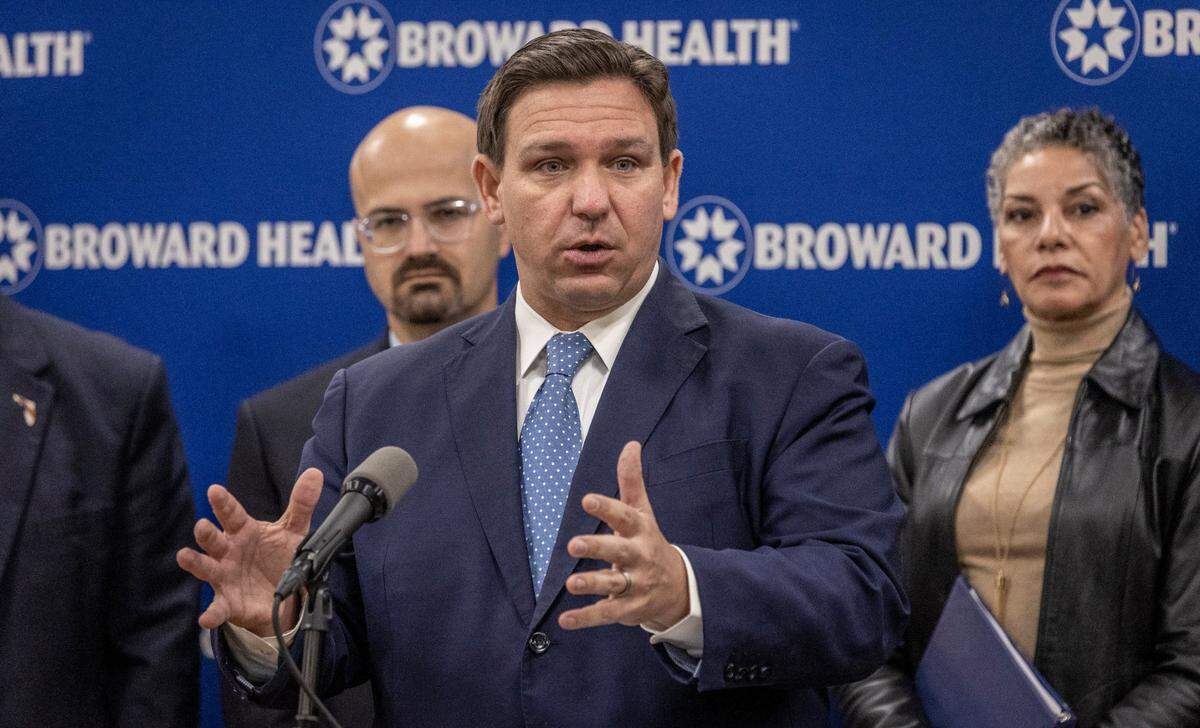
Psaki on Tuesday went a step further with her criticism, linking the governor’s support for the monoclonal treatments to vaccine skeptics and other forms of online misinformation.
“We’ve seen unfortunately from the beginning, in our pandemic response, a range of steps or pushes that have been made through social media platforms, unfortunately, from the mouths of elected officials advocating for things that don’t work even when we know things do work,” Psaski said. “Injecting disinfecting, promoting other pseudoscience, sowing doubt on the effectiveness of vaccines and boosters, and now promoting treatments that don’t work.
“We know it works, vaccines and boosters,” the press secretary added. “We have a range of doses of things that do work and treatments, and we’re providing those to Florida.”
This story was originally published January 25, 2022 at 1:56 PM.