South Florida Republicans propose new State Department position to combat communism
Three South Florida Republicans introduced legislation Tuesday to establish a new State Department position that would be tasked with combating communism and authoritarianism.
The proposed “Special Envoy to Combat Global Rise of Authoritarian Socialism and Communism” would be modeled after a similar State Department ambassador-level position that was created in 2004 to combat global anti-Semitism.
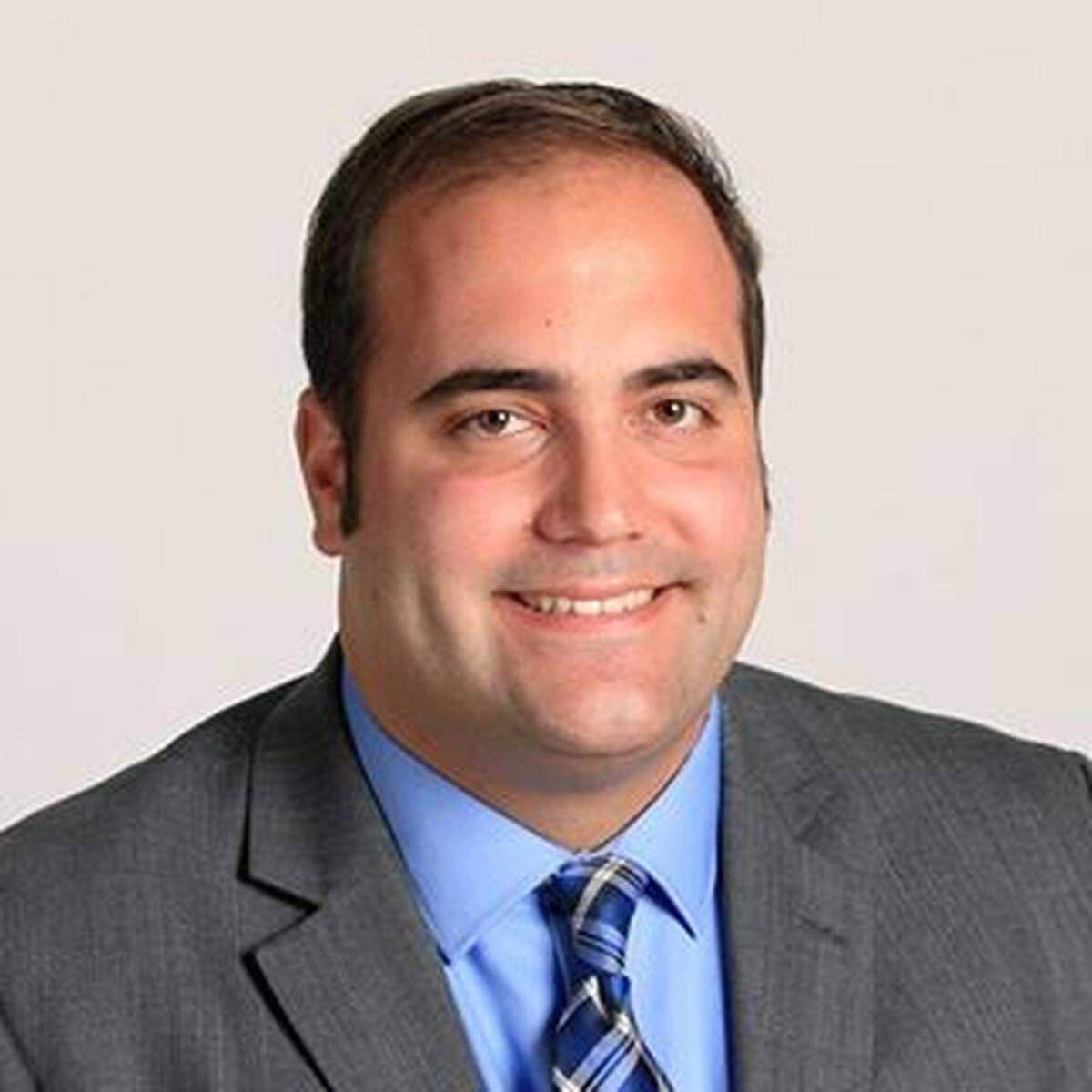
The legislation was led by Republican Rep. Carlos Gimenez, a former Miami-Dade mayor who was born in Cuba and whose family immigrated to the U.S. in 1960 after the Cuban Revolution.
Gimenez was joined by fellow Florida Republican Reps. Mario Diaz-Balart and Maria Elvira Salazar, both of whom were raised by parents who had fled Cuba. They were joined by Rep. Nicole Malliotakis, the sole Republican representing New York City, whose mother also fled Cuba.
The bill comes after Cuba’s crackdown against protesters in 2021 and after Nicaragua President Daniel Ortega began his fourth consecutive term in office following an election that saw the state arrest opposition leaders and target dissent.
“It is time for the United States to reaffirm its commitment to combating communism and authoritarianism around the world. As the leader of the free world, we must continue to stand up for the universal values of freedom, liberty, democracy, and peace,” Gimenez said in a statement to the Herald.
“By retooling our foreign policy, we are sending a strong signal to the world that there is no room for oppressive governments who stifle free expression, who undermine democratic elections and institutions, and who unravel its people’s economic rights,” Gimenez said. “Communism kills. Authoritarianism kills. Freedom and liberty must prevail.”
Gimenez, Diaz-Balart and Malliotakis were among the 147 Republicans who voted to overturn the 2020 election last year, an action which election experts warn has helped weaken democratic institutions domestically. Earlier this month, Rep. Debbie Wasserman Schultz, a South Florida Democrat, said these lawmakers had an “unremovable stain on their reputations.”
At a Tuesday event at Camp Matecumbe Park in Miami, Gimenez disputed that his votes to block electoral votes from Pennsylvania and Arizona undermined the institution of democracy in the U.S.
“I acted within the scope of the Constitution of the United States, what I felt was my constitutional duty. So that’s part of democracy, too,” Gimenez said. “There’s a role for disagreement and that’s what democracy’s all about, agreeing and disagreeing, and voicing that in a democratic process by duly elected representatives. That’s not what happens around the world.”
He pointed to Ortega’s arrest of opposition leaders in Nicaragua as a contrast to electoral objections in Congress. “He put in jail everybody that was going to oppose him. That’s not democratic,” Gimenez said.
Gimenez’s legislation is similar to a bill sponsored Rep. Ilhan Omar, a Minnesota Democrat and one of the most left-leaning members of Congress, which would establish a special envoy to monitor and combat international Islamophobia.
Omar’s bill passed the Democratic-controlled House in December along party lines. Omar, one of the first two Muslim women in Congress, introduced the legislation in response to violence against Muslim populations in China, India and other countries.
This story was originally published January 25, 2022 at 2:00 PM.