Fed program targeting businesses too big for PPP mostly benefits businesses that got PPP
A federal loan program designed to help mid-sized businesses struggling during the pandemic has, instead, primarily benefited small businesses who already received federal Paycheck Protection Program loans.
A Miami Herald analysis found that 10 of the first 13 disclosed recipients of loans in the Federal Reserve Board’s Main Street lending program also received PPP loans.
There’s no prohibition on double-dipping between the programs, though Eric Rosengren, the president of the Federal Reserve Bank of Boston, which is administering the Main Street program, made clear in a hearing of the Congressional Oversight Commission earlier this month that the program is intended for bigger borrowers.
“This facility … really tries to get to a different segment of the population, which is those businesses that are bigger than the PPP program was designed for,” Rosengren said.
The Aug. 7 hearing focused on why the program has had so little success so far and took so long to get up and running. Though the program was authorized in April under the CARES Act, loans weren’t made available to lenders until July and banks and lenders have been slow to participate in the program. So far, the only bright spot in the program has been a Miami bank, which has issued the most loans in the program.
But Miami Democratic Rep. Donna Shalala, one of four members of the Oversight Commission, was critical of the program at the August hearing despite that success.
“While some Florida businesses have benefited from the Main Street loans, what has been accomplished to date is simply not enough,” Shalala said. “We all agree that these businesses need help to survive the crisis.”
So far, the bank has disclosed only the identities of the first 13 borrowers in the program, who collectively have taken out $92 million in loans, though Rosengren said in a later speech that 32 loans, equaling $252 million, had been committed or settled as of Aug. 10. But that represents a tiny fraction of the $75 billion that was set aside for use in the program.
“While all of this money has been sitting on the sidelines, tens of thousands of businesses have permanently closed and millions of Americans have lost their jobs,” said Bharat Ramamurti, another member of the Oversight Commission, in the August hearing. “By any measure, the Main Street program has been a failure.”
By contrast, the PPP program has issued more than five million loans since April, representing $525 billion. The PPP loans, unlike the Main Street Loans, are forgiven if used for payroll or other approved expenses. Ramamurti has argued that Congress should reallocate the money intended for the Main Street program to be used for grants to small and mid-sized businesses.
Rosengren, of the Boston Fed, has defended the program’s slow roll-out, which included modifying the terms of the loan, saying that it’s taken time for participating banks to understand how the program works and for banks and businesses to negotiate the terms of the loans.
“It takes some time for the banks and the borrowers to get familiar with the program,” Rosengren said in the August hearing. “We’re slowly seeing an increase in volume over time that I would expect to continue.”
Under the program, the Federal Reserve takes on 95 percent of the risk of the loan, while the bank retains exposure for 5 percent of the loan. Banks are responsible for assessing the creditworthiness of borrowers, who are supposed to be businesses in sound financial shape before the pandemic hit.
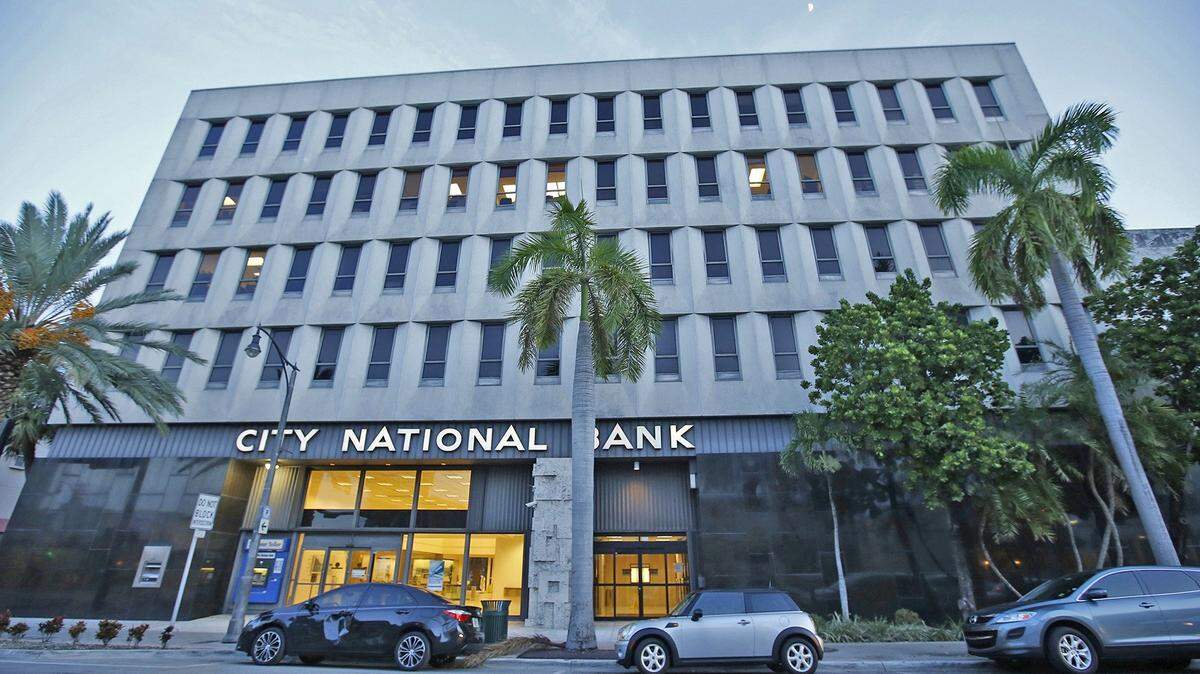
South Florida has been a lone bright spot in the early going, though no one associated with that success wants to talk about it. City National Bank of Florida has accounted for eight of the first 13 publicly disclosed Main Street loans and six of those eight businesses also got PPP loans through City National Bank.
While the bank’s Chief Executive Officer Jorge Gonzalez has talked with the Herald before about the bank’s robust PPP activity, the bank didn’t make anyone available to speak about it’s activity in the Main Street program, but said in a statement to the Herald:
“From the beginning of the pandemic, City National Bank of Florida has been proactive in supporting our clients and community through this challenging economic time. Helping small and mid-sized businesses sustain themselves and keep people employed has been a top priority. Congress and the Federal Reserve created the Main Street Lending Program to help these businesses access much-needed capital during the pandemic, and our team worked diligently to prepare for the program, educate clients, and accept and process loan applications as soon as the eligibility window opened in early July.”
The Herald reached out to all of the Florida businesses that got both PPP and Main Street Loans, but none of them wanted to discuss their participation in the program.
That includes Fort Lauderdale roofing company Atlas Apex Roofing, which took out a $5.5 million loan on July 21 and had earlier gotten a PPP loan valued between $1 and $2 million on April 10 and Davie construction company Cailis Mechanical, which took out a $5 million loan on July 13 and a PPP loan valued between $2 million and $5 million on April 13.
And it also includes Joseph Zevuloni, the owner of the Fort Lauderdale insurance adjusting firm Zevuloni & Associates, which took out a $1.9 million Main Street loan on July 22 and had earlier received a PPP loan of between $150,000 and $350,000 on April 10.
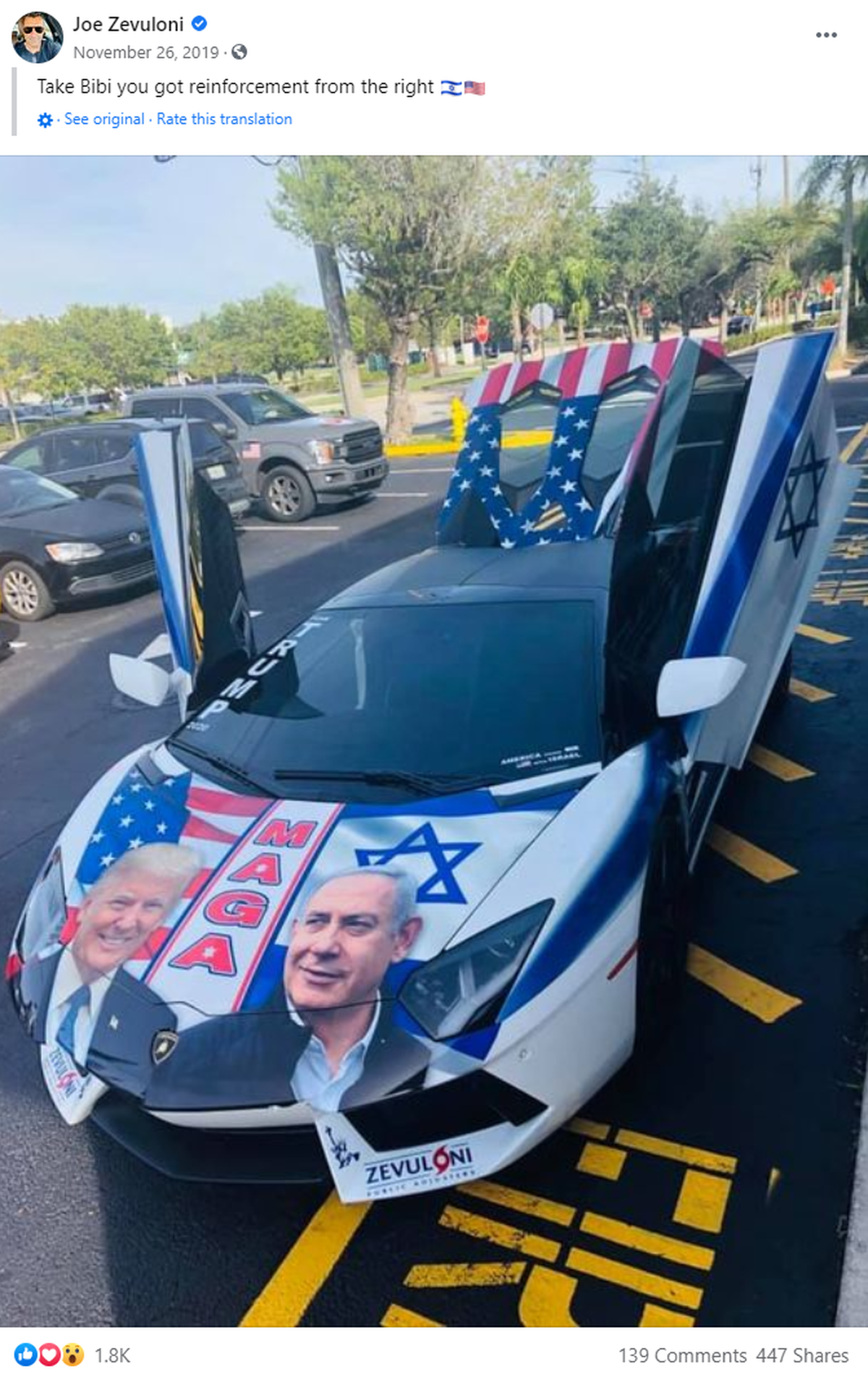
Zevuloni, who drives a Lamborghini emblazoned with images of President Donald Trump and Israeli Prime Minister Benjamin Netanyahu and organized a “Ride 4 Trump” rally in Miami on Nov. 26, 2019 to coincide with Trump’s “Homecoming” rally that day, declined through a lawyer, Carlos Garcia, to comment on the loan.
“He’s a private person,” Garcia said.
This story was originally published August 27, 2020 at 4:16 PM.