
How Ukrainians in Florida remind the U.S. about the war
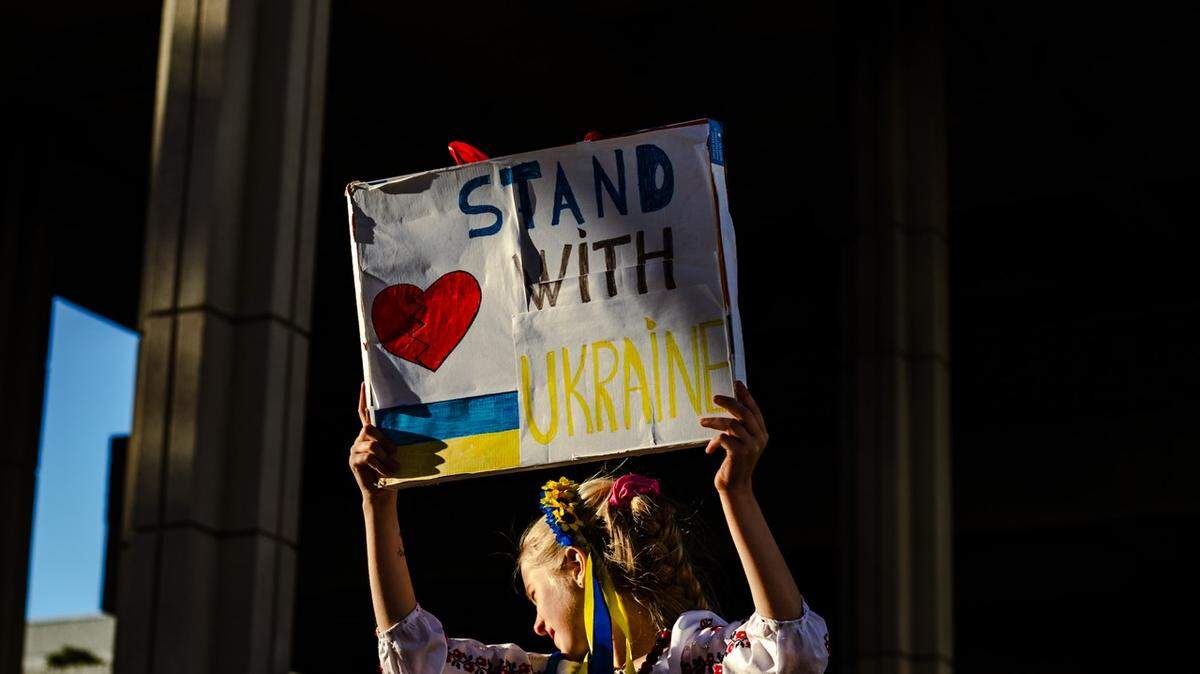
Four years ago Natalia Bozhko sat in a basement, listening to air raid sirens, as tanks rumbled through the streets of Kyiv.
Now, she is in Boca Raton, preparing for a Ukraine “Action Summit” in Washington, D.C, that she and others hope will remind both politicians and the public of her homeland where a half-million people have died.
“It is important to me that my friends and my family in Ukraine know that they are not forgotten,” says Bozhko. “I believe that the diaspora’s main mission is to keep Americans informed and updated about the war.”
Natalia and her husband Dmytro, both 43, are co-founders of the Ukrainian Association of Florida (UAF), a nonprofit organization that preserves Ukrainian culture and advocates for peace. They moved to Florida in 2018 and are both from Donetsk, a city that has been under Russian occupation since 2014.
The full-scale war has raged in Ukraine for four years now and as of 2025, Russia had not only killed scores of soldiers and civilians, but also destroyed and damaged more than 850 libraries and over 1,000 cultural centers, according to Ukrinform, Ukraine’s national news agency.
To keep the culture alive, UAF organizes events such as Ukrainian film viewings, painting masterclasses and cultural webinars. There are also celebrations of national holidays, and their biggest event — Ukraine Culture Fest — is held on Ukraine’s Independence Day in August in West Palm Beach, with vendors, traditional food, Ukrainian musicians and more.
The group is also raising money for Azov Angels, a service that takes care of wounded soldiers, as well as donating to other causes in Ukraine, such as building a youth center in Mykolaiv, which was one of the first Russian targets after the 2022 invasion.
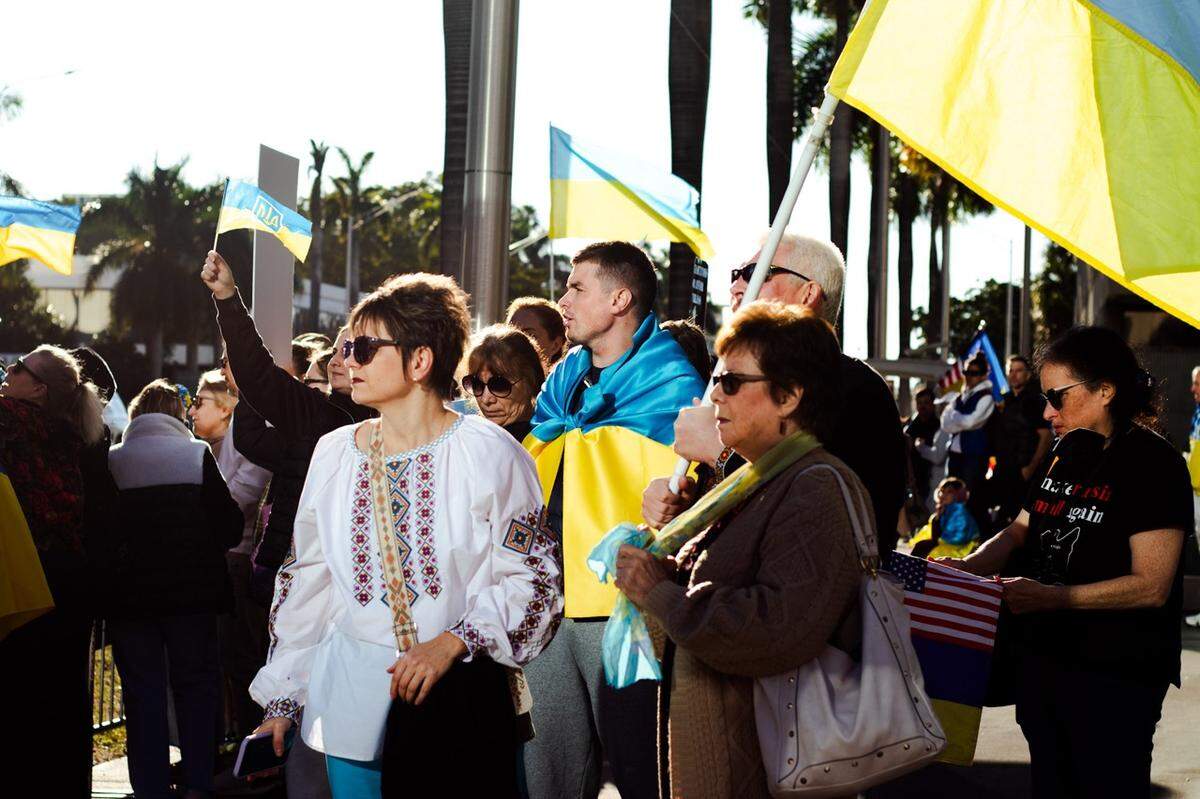
Following the move to Boca Raton, the couple noticed a lack of a Ukrainian community. Most émigrés relied on group chats and pan-Slavic events. There was no sense of cultural identity, they said.
Natalia says she had a dream of cooking national Ukrainian food and finding Ukrainians to invite over.
While the Bozhko family laid out a foundation for uniting Ukrainians and popularizing their culture in South Florida, the start of the full-scale invasion served as a catalyst for a new direction.
Natalia went back to Kyiv in February 2022 to visit family, while her husband and their then 14-year-old daughter watched the war unfold on social media from Florida.
“At that moment, there was a sense of unification,” says Dmytro. “Everyone merged together, everyone understood that we needed to help.”
Ukrainians marched and rallied, raised money and sent out humanitarian aid home. But Dmytro realized that the American government wouldn’t listen to regular civilians unless they represented a formal organization.
The same year, Julia Dryhybka, 45, from Kyiv, now the communication director at UAF, marched in San Diego, alongside the community from a cultural center, the House of Ukraine.
“When I realized what was coming, it was impossible to stay inside,” she says. “Every Saturday since the beginning of the war we would rally in a park.”
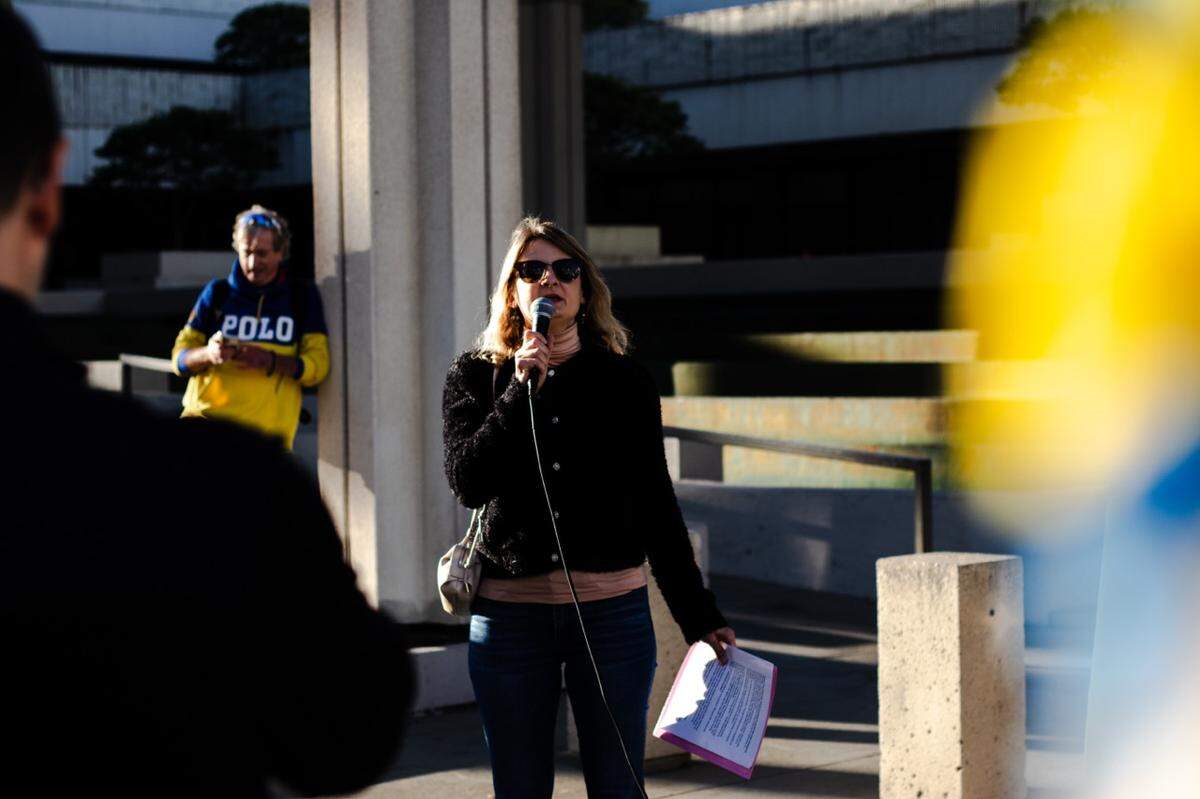
After Dryhybka’s move to Florida, she started looking for a community and came across a chapter of UAF. It started small and then gained steam.
“What makes me happy is seeing new faces turn up after each time,” says Dryhybka. “Ukrainians need events where we can gather and talk about our pain.”
Dryhybka appreciates the openness of the American community to discovering and learning about other cultures, including her own.
“I share what is close to my heart,” she says, “and I see that they have an interest in our culture, because it is very beautiful and it inspires.”
Now the team is undergoing a detailed process of analyzing information from the front, studying requests from the front lines, and watching decisions made by Congress — all in preparation for the Ukraine Action Summit on Sunday, April 19. Dmytro has participated in it four times, Dryhybka three.
“It is a driving force of awareness about the war among our elected officials,” says Dryhybka.
Following their first time in D.C., UAF had a pysankarstvo masterclass — a Ukrainian Easter tradition. The TV was on in the background as the team monitored the news for updates on requests Dmytro advocated for at the summit. Once it was announced that Congress signed onto a $60 billion military aid package for the Ukrainian front line, which includes Dmytro’s uncle, the Bozhkos could not hold back their tears.
“We cried. We couldn’t stop crying from happiness,” says Natalia.
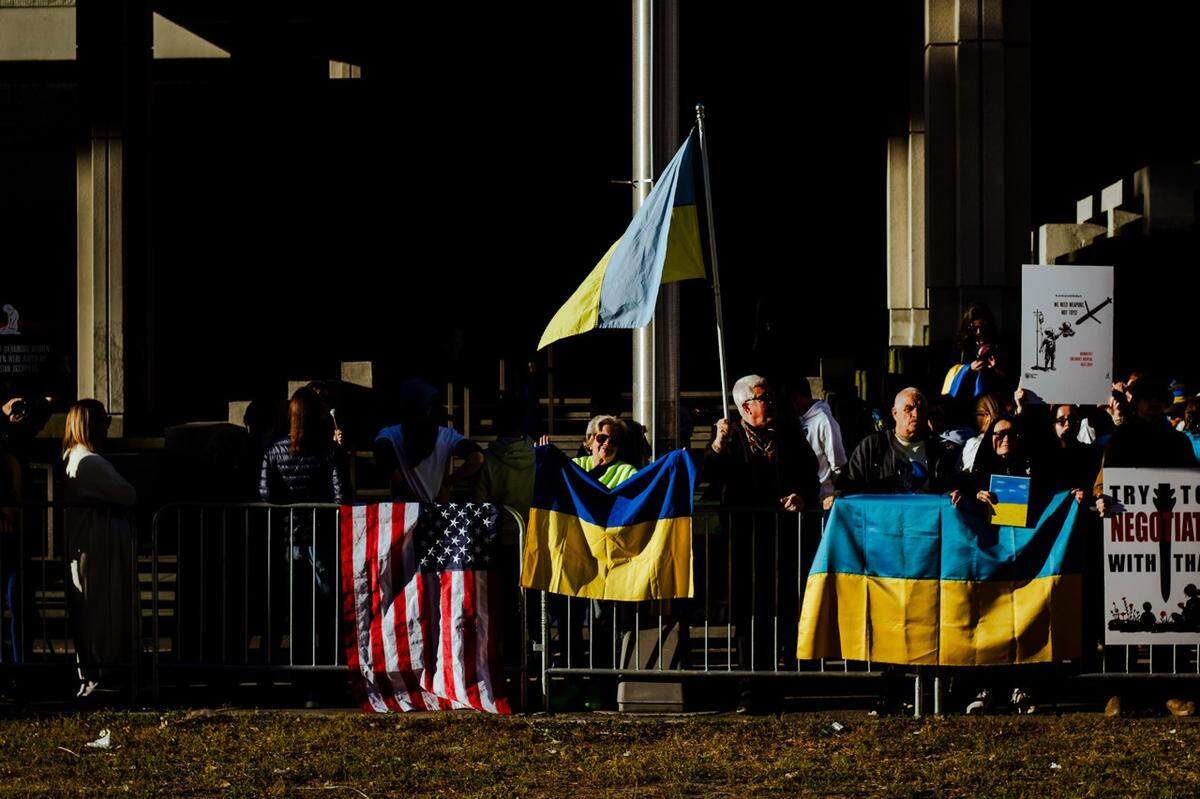
Witnessing the power their words and stories hold, UAF will be joining delegates from other states to discuss the most pressing issues. This year, the requests will be focused on retrieving kidnapped and deported children from occupied territories and sanctioning Russia.
Their other goal is fighting misinformation and propaganda.
“We engage in debunking those myths, the false narratives manufactured by our enemy,” says Dryhybka.
Dmytro says the team does not take breaks and has not planned a vacation in a while.
For Dryhybka, it is a question of duty.
“I can’t go to the front lines because I wouldn’t be effective there,” she says, “but I can speak, I can utilize my emotions. I am using the skills that I have to influence the situation.”
This story is the result of a partnership between Florida International University’s Lee Caplin School of Journalism and Media and the Miami Herald.