‘Beauty’ of a fish feared extinct for more than 20 years rediscovered in Bolivia
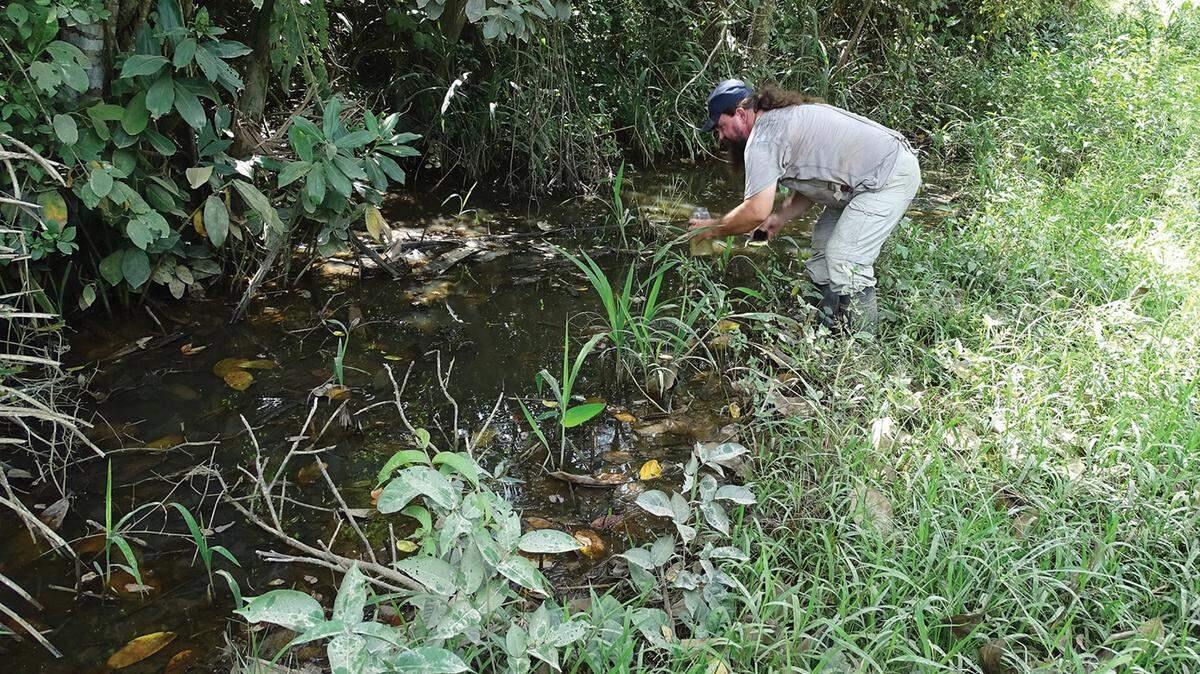
A rare and striking species of killifish has been missing for more than 20 years.
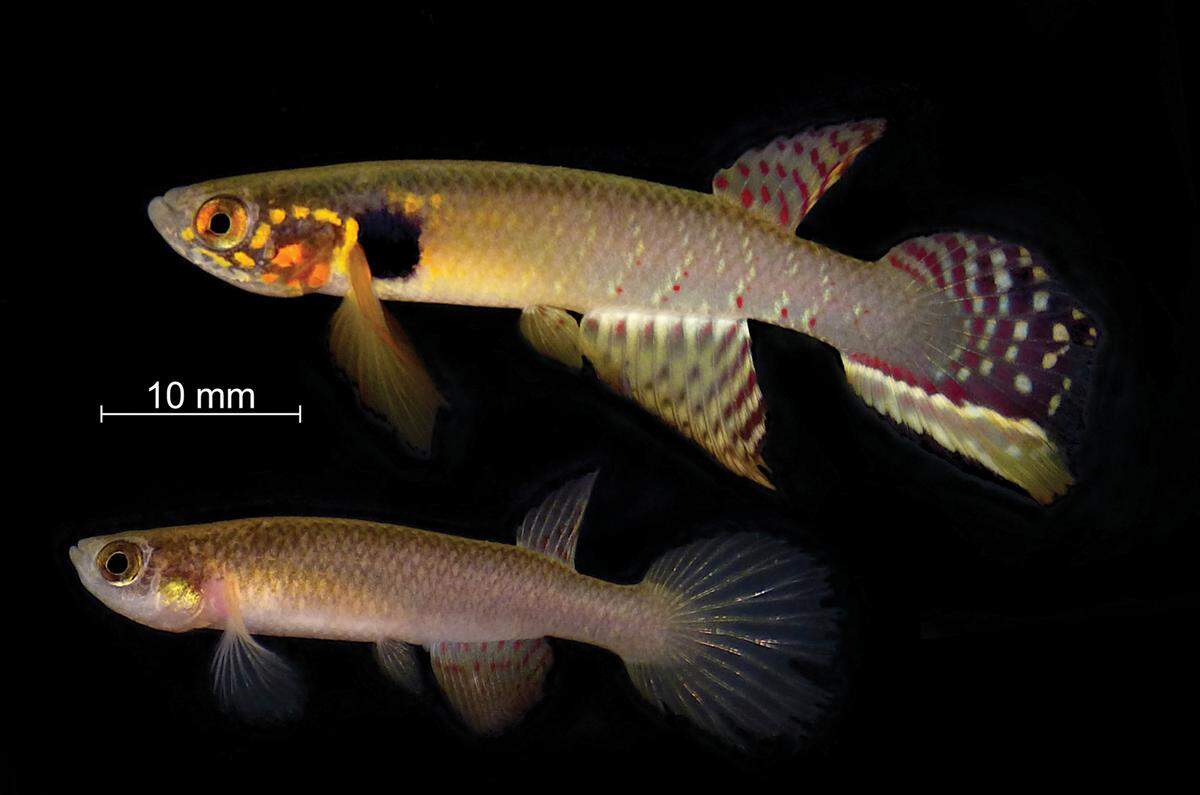
Scientists feared Moema claudiae had faded into extinction, with a grayscale drawing among the only proof that it ever existed.
But one of the defining features of killifish is that they are exceptional at surviving.
In 2024, researchers in Bolivia found a viable population in a temporary pond in a small patch of forest being encroached upon by crops, according to a Nov. 14 study published in the peer-reviewed journal Nature Conservation.
With its rediscovery, researchers were also able to capture the first live photos of the “beauty,” showcasing its unique red, yellow and black coloration.
Killifish are known to inhabit temporary bodies of water like seasonal wetlands that eventually dry up. Their eggs, buried in the muddy bottom layers of these habitats, can withstand long periods of drought in a state called diapause in which their development stops until the rains return, according to the study.
“For this reason they are known as annual or seasonal fishes,” researchers said.
This extreme and complex lifecycle makes them highly vulnerable to threats including agriculture, fragmentation and climate change, according to experts.
Moema claudiae was rediscovered in a “blackwater pool” just over a foot deep in a seasonally flooded forest near the Ibare River basin, according to the study.
This area is 62 miles northwest from where the species was first discovered in 2003, the study said. According to researchers, that habitat has been “severely degraded” by activity related to agro-industrial crops.
This newly discovered habitat is facing the same threats, according to the study.
Researchers said the rediscovery “offers an exceptional opportunity of a second chance to conserve a species that was already believed to be extinct and lost forever.”
Bolivia has one of the highest recent losses of primary tropical forests where 32 species of killifish are known to exist. Nearly one-third of those species are found nowhere else except microhabitats within these threatened forests, according to the study.
The researcher team included Heinz Arno Drawert and Thomas Otto Litz.