Movement in bushes leads photographer to first-of-its-kind sighting in Australia
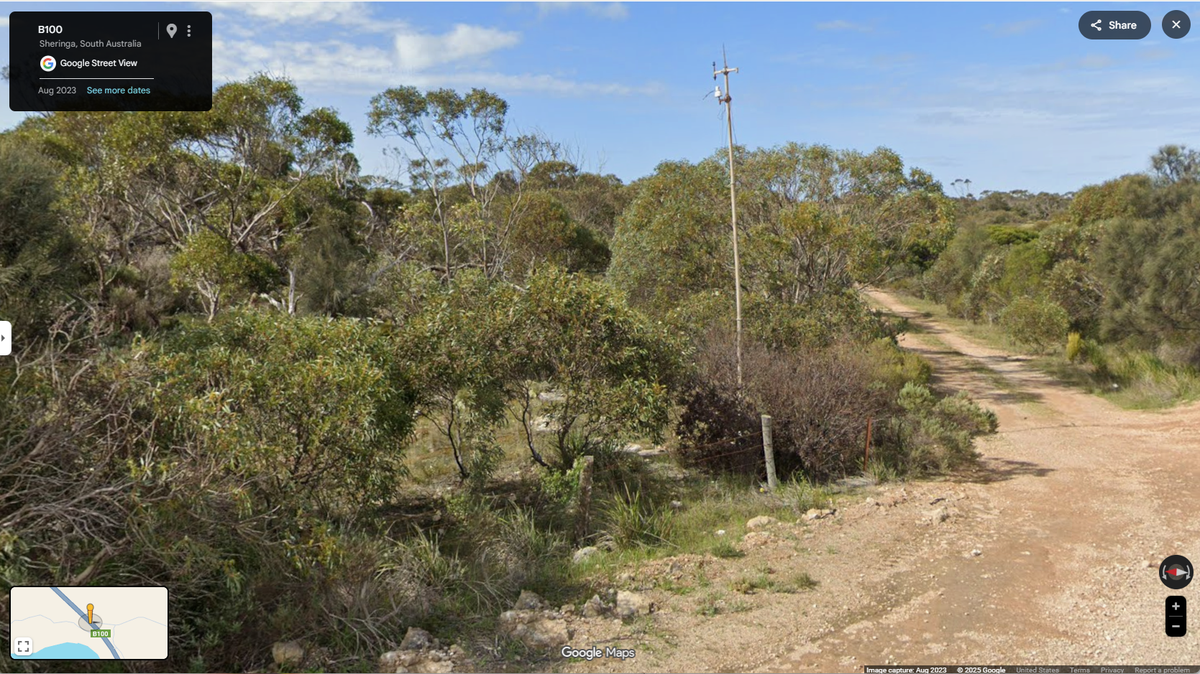
In a remote wildlife sanctuary of southern Australia, a flower photographer noticed some movement in the bushes and spotted an unfamiliar colorful creature. He snapped a few photos and shared them with ecologists out of curiosity.
It turned out to be a first-of-its-kind sighting.
Shane Graves, “an orchid enthusiast,” visited Dakalanta Wildlife Sanctuary recently to survey the flowers and photograph them, the Australian Wildlife Conservancy said in an Oct. 31 news release shared with McClatchy News.
“I was photographing some orchids that I hadn’t seen on the sanctuary in previous years when I saw something jump within the small clumps of mallee bush,” Graves said in the release.
He initially identified the jumping animal as a peacock spider but “hadn’t seen one with (these) incredible colours, particularly the iridescent blue, that just stood out in the shrub,” he said in the release. Intrigued, he watched it for a while and snapped several photos.
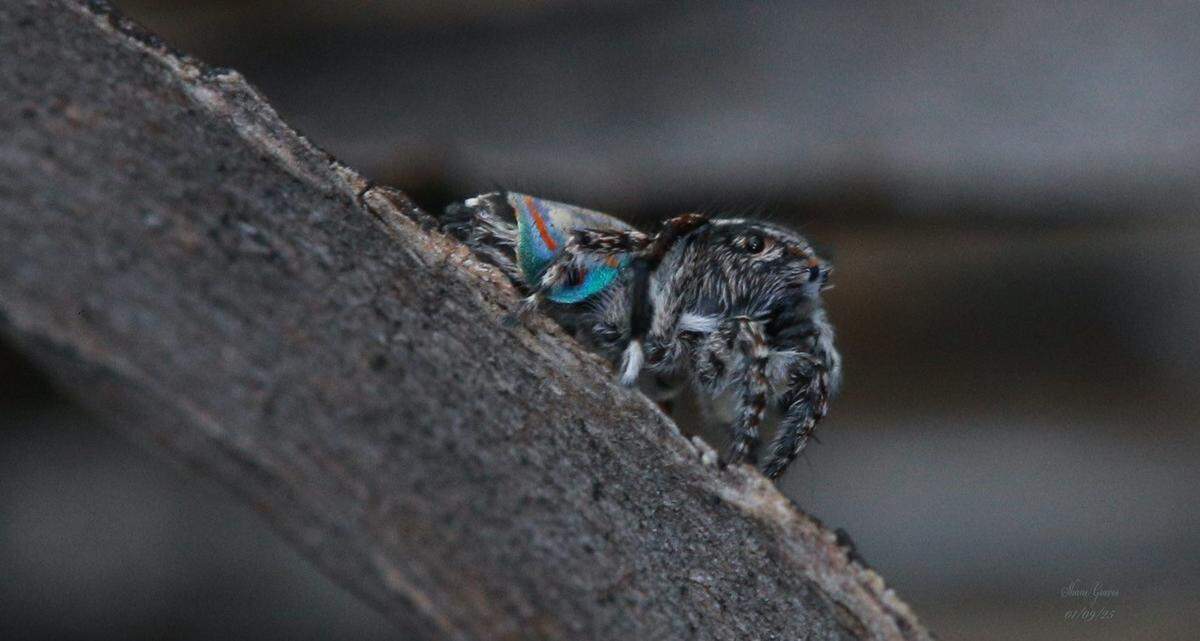
Later, Graves shared the photos to a Facebook group for help identifying the spider. Ecologists and group administrators who saw the images were stunned.
Graves had recorded a Maratus australis spider, a species “with formidable jumping skills” that had never been seen outside the state of Western Australia — until now, the conservancy said. The sighting was a first-of-its-kind record for the state of South Australia.
“Finding this tiny spider 900 km (about 560 miles) from its next closest observation is huge,” Alexandra Ross, a wildlife ecologist with the organization, said in the release. “It raises a lot of questions around the distribution of this unique species and highlights just how much there still is to learn about its ecology and range.”
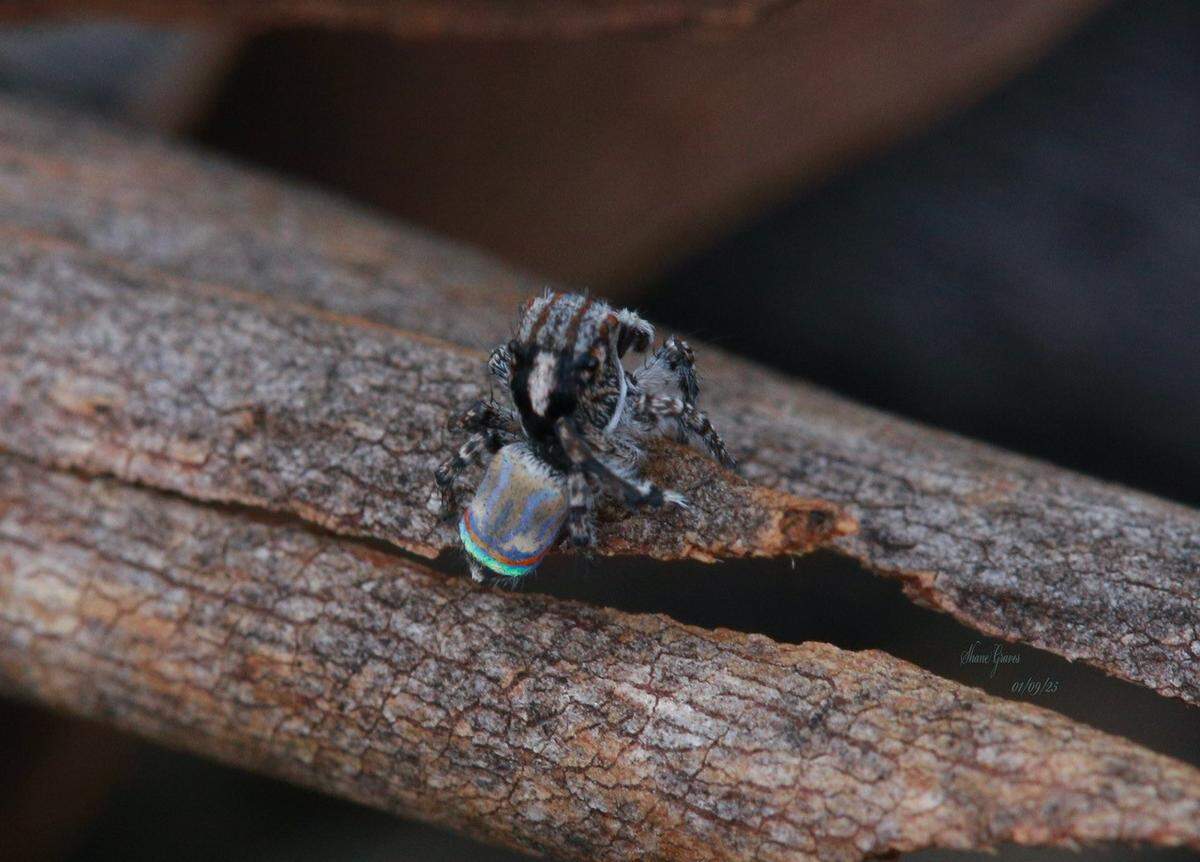
Maratus australis spiders are “extremely under-documented,” the conservancy said in an Oct. 30 Facebook post.
The species is “very small,” reaching less than a quarter of an inch in size, but “can jump up to 40 times its body length,” the organization said. It is usually identified by its “vibrant and distinctive colours.”
Photos show the Maratus australis spider, which has an intricate pattern of blue and brown blotches edged with bright teal and red-orange stripes.
The conservancy said it “doesn’t regularly monitor” spiders at Dakalanta Wildlife Sanctuary but “will keep an eye out for the colourful spider in the hopes of building a better understanding of its distribution, population size, and breeding.”
Dakalanta Wildlife Sanctuary is near the southern coast of South Australia and a roughly 1,200-mile drive west from Sydney.