‘Orange-legged’ creature — missing for 40 years — rediscovered in UK. See it
The year was 1985. “Back to the Future” hit theaters, the Live Aid concerts rumbled England and Philadelphia, and Coca-Cola launched a disastrous new flavor.
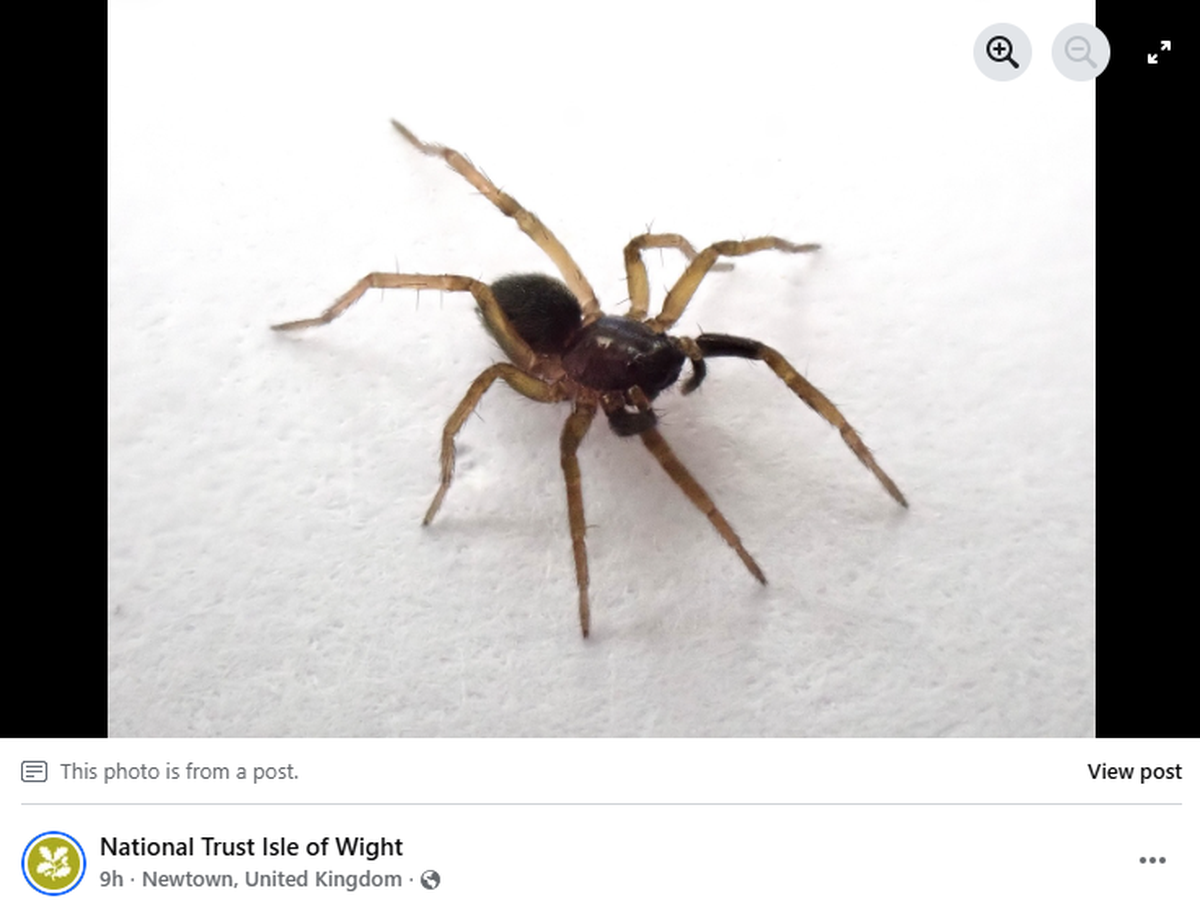
It’s also the last time Aulonia albimana was found in the wild — until now.
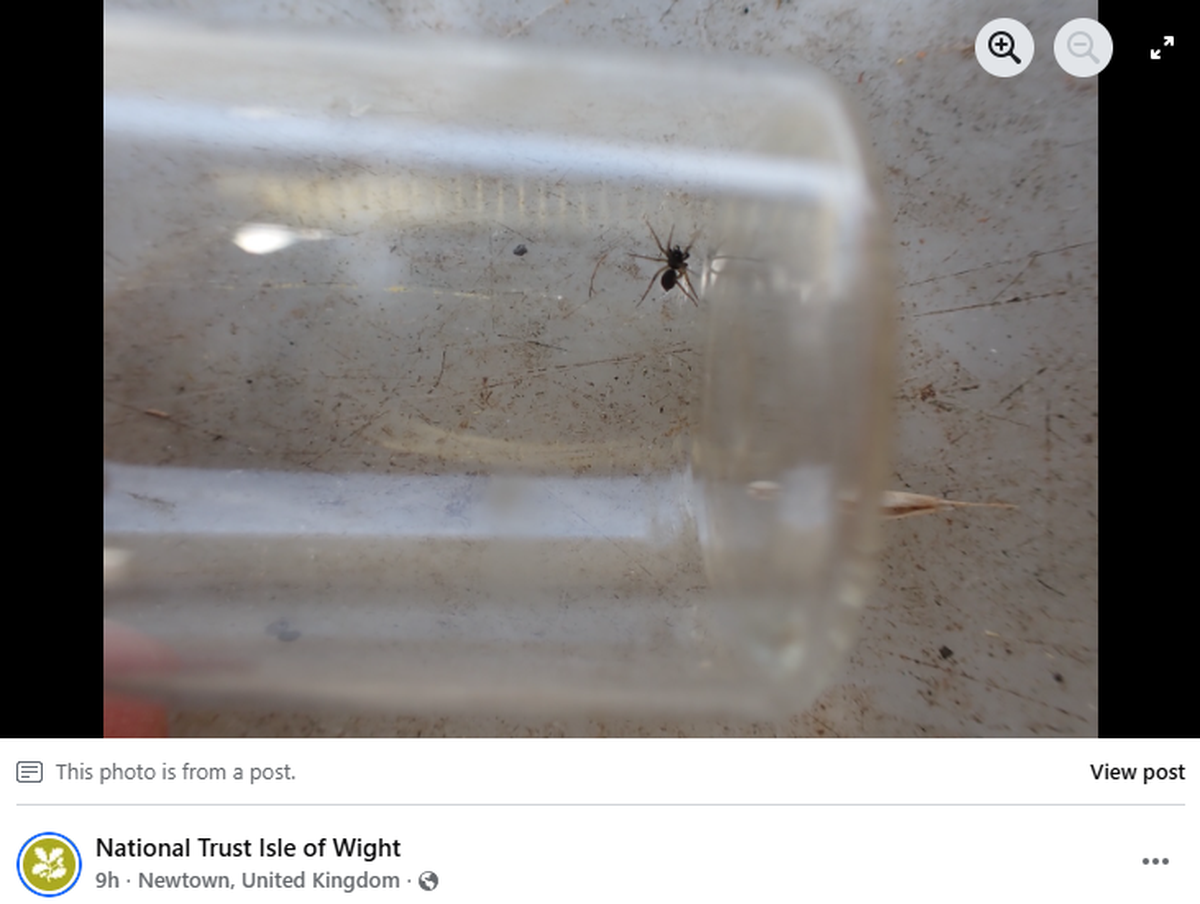
After four decades, the critically endangered spider has been rediscovered in the United Kingdom, making an appearance in the Newtown National Nature Reserve on the Isle of Wight, according to an Oct. 30 Facebook post from the National Trust Isle of Wight.
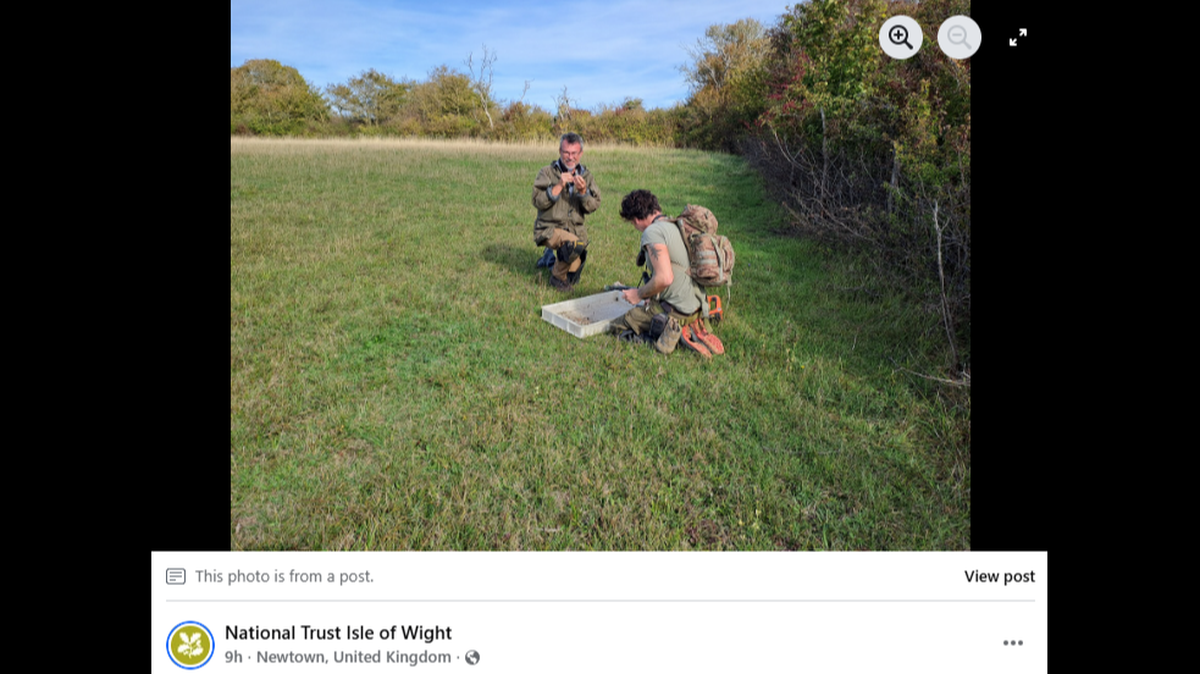
Entomologists Mark Telfer and Graeme Lyons were working on the Rare Invertebrate Species Recovery Project when they made the discovery. It’s a multimillion dollar initiative led by Natural England to protect and conserve the native species of the U.K.
The researchers gave the species a new moniker, calling it the white-knuckled wolf spider in lieu of its scientific name, according to the National Trust.
“I suggested calling it the white-knuckled wolf spider because this was probably the longest long shot I’ve ever taken part in. We had just four hours at the site where this spider was last seen 40 years ago, before our boat came to pick us up,” Lyons told the BBC. “I found the first one with just nine minutes to go, and the second one in the last minute. I’ve seen 559 species of spider in the British Isles and this one was by far the most exciting find.”
Officials said the spider likely returned because of “years of careful habitat restoration” taking place in the nature reserve, according to the post.
The reserve includes Newtown Harbour, an area that was saved from the development of a nuclear power station in the 1960s after community members shared wildlife surveys exposing the unique environment on the island, according to the National Trust.
It has stayed relatively untouched in the decades since and offers a peaceful place for boaters, walkers and wildlife aficionados to get away.
The “orange-legged” spider rediscovery has been hailed as “one of Britain’s epic ‘lost species’ rediscoveries of the century,” according to the British Arachnological Society, and a “hopeful reminder that when we create the right conditions, nature has a remarkable way of returning,” the National Trust said.
The spiders were found just 1.2 miles from the species’ known former colony from the 1980s, according to the BBC, in an area that had become overgrown before sheep were brought in to chew through the vegetation and create patchy areas where the spiders could thrive.
There are still questions about the spider’s hunting techniques and web building, researchers told the outlet. These can hopefully be explored now that the location of the white-knuckled wolf spiders has been found.
Wolf spiders can range significantly in size and have three rows of eyes with eight in total, according to the Australian Museum. They can live in dry shrublands to woodlands to coastal forests to mountain meadows.
Overall, finding the critically endangered species was “one of those unforgettable discoveries,” Telfer told the BBC.
“To find a species thought lost for 40 years is thrilling — and a testament to how the right habitat management, combined with curiosity and collaboration, can deliver remarkable results,” he said.
The Isle of Wight is off the southern coast of England, off the coast of Portsmouth in the English Channel.