Banded creature — more than a foot long — found in China stream for first time
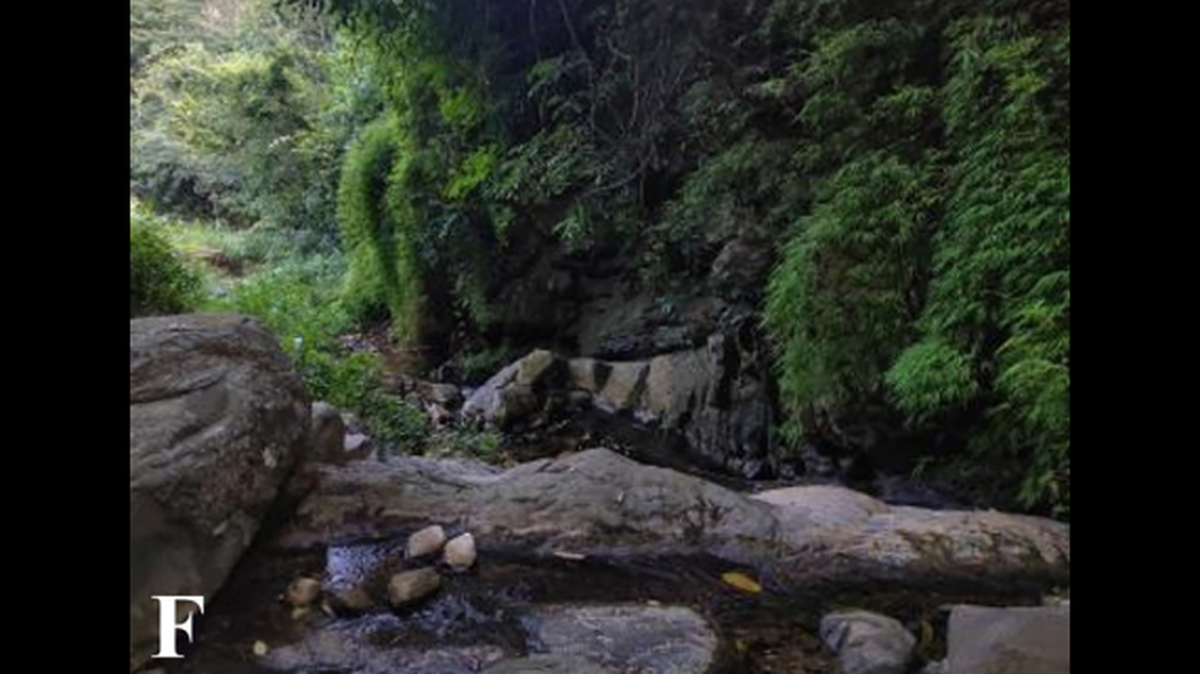
In a mountainous province in southern China, a venomous creature calls a rocky stream home.
The Guizhou province includes the beginnings of the Yangtze and Pearl rivers, acting as an ecological barrier in the region.
Here reptiles are able to thrive across diverse habitats like rocky karst, wetlands and forests.
During field surveys outside Qiaoma Town in April 2024, researchers found a black snake with a white head in a rocky stream, and took photos and measurements, according to a study published Oct. 17 in the peer-reviewed journal CheckList.
It was identified as Azemiops feae, or a fea’s viper, according to the study. It’s the first time this species has ever been found in the province.
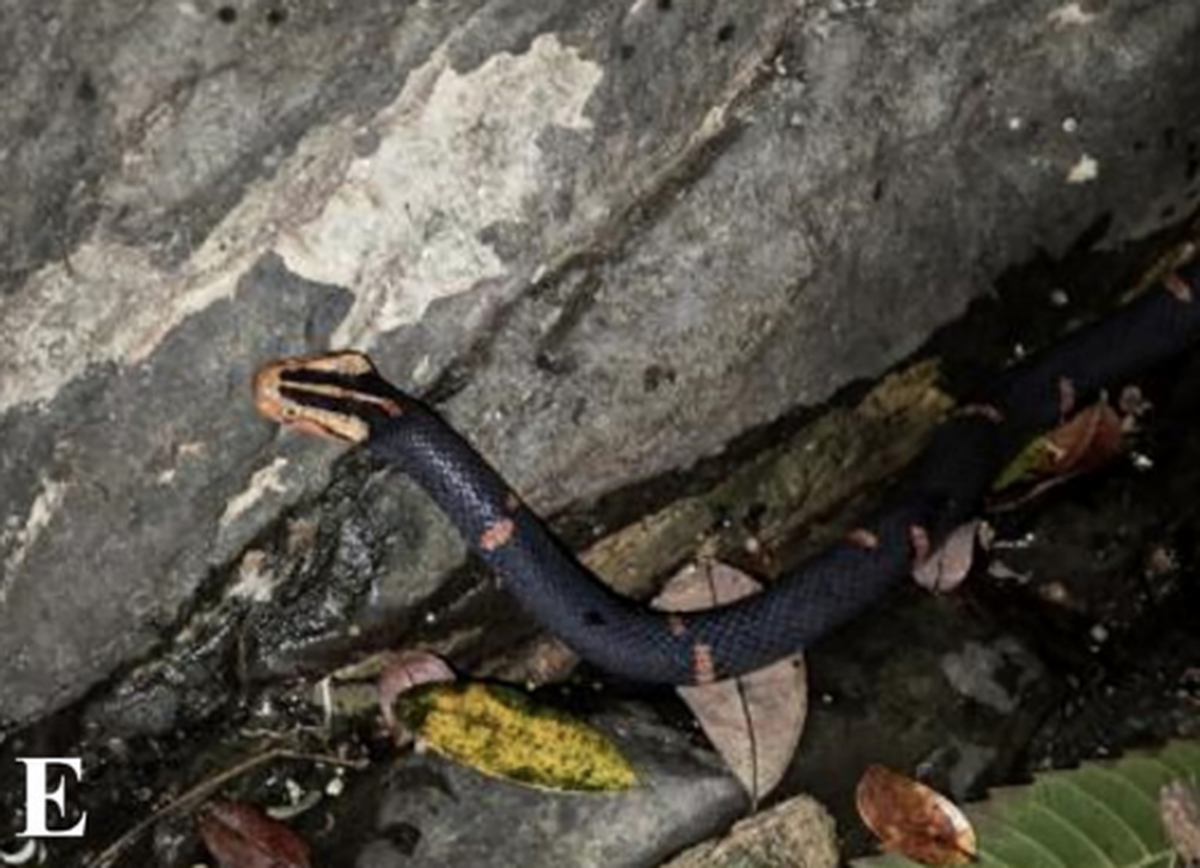
The snake was identified by its “cylindrical body with orange-red transverse bands” over black coloration, according to the study.
It has an orange-red central stripe and scales of the same color on the snout, while the side of the head and lower lips are more of a greyish white color, researchers said.
The snake measures about 20 inches long, and it belongs to a group called “tube-fanged venomous snakes,” according to the study.
This is the first official record of the fea’s viper in the region, though it was included in biodiversity studies between 2019 and 2022, researchers said. The description at the time was vague and no photos were published to confirm the sightings.
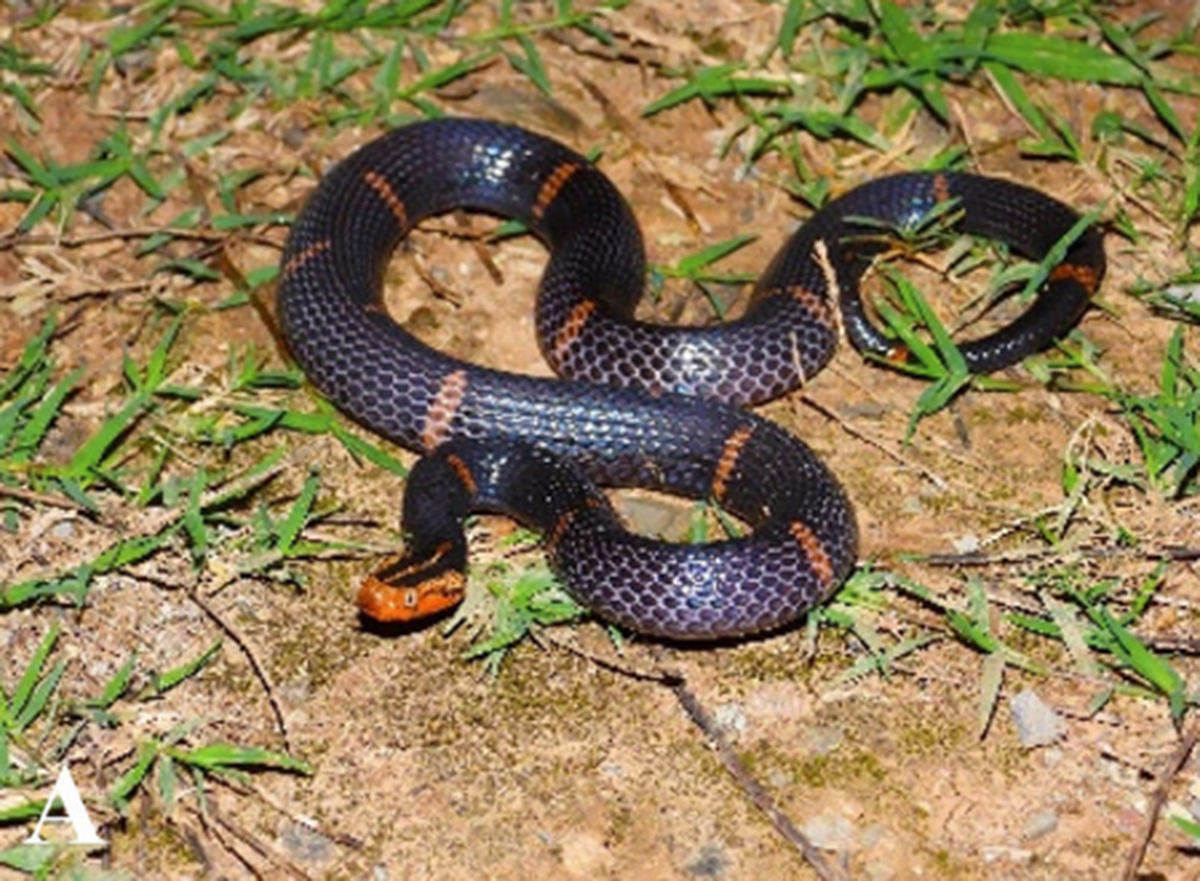
Fea’s vipers are found in the humid forests and foothills of Southeast Asia, and unlike other viper species their fangs are short and their venom sacs small, according to Britannica.
They are also smooth and shiny, setting the species apart from other vipers, with large scale plates on their heads, Britannica says.
Fea’s vipers are one of the few vipers to lay eggs, and they belong to their own subfamily, Azemiopinae, due to their overall differences, according to Britannica.
Outside of China, the species is found in Vietnam and Myanmar, according to the study.
Guizhou is in south-central China, north of the northern border of Vietnam.
The research team includes Xue Gou, Chaobo Feng, Tuo Shen, Lang Mu, Jing Liu, Haijun Su, Shize Li and Xianqin Zeng.