‘Bent-toed’ creature found in lava cave in Vietnam in first-of-its-kind sighting
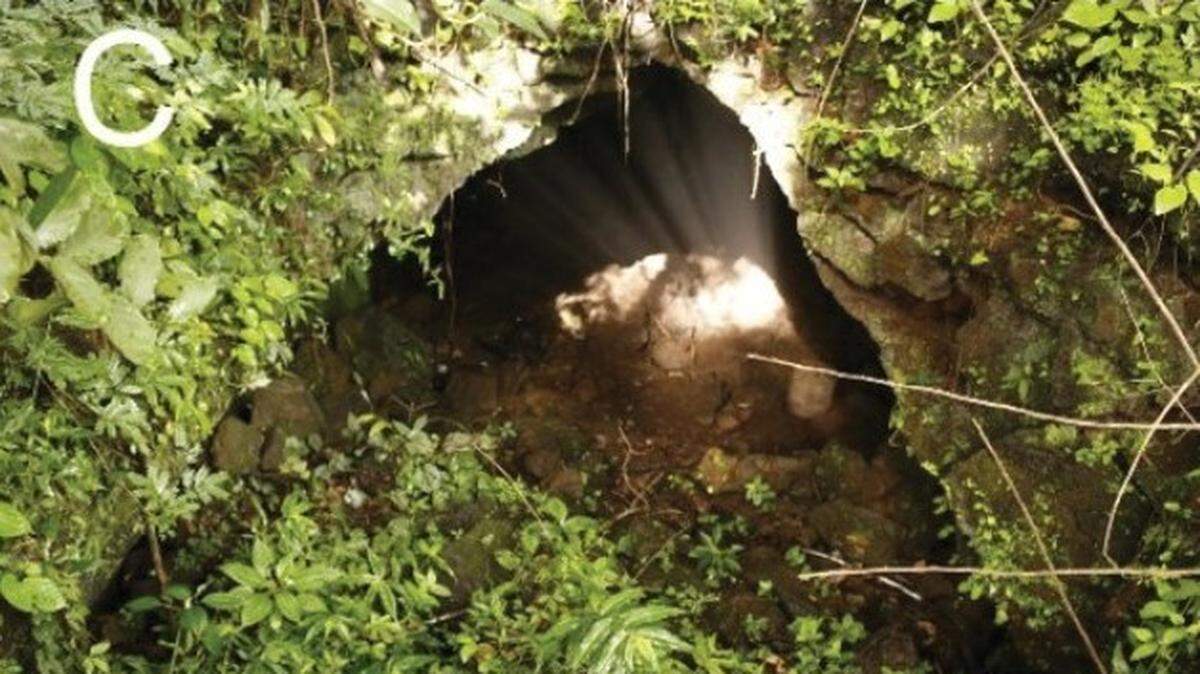
In a lava tube of southern Vietnam, a brown-eyed creature used its “bent” toes to climb across the rocky ceiling. Water dripped nearby. Suddenly a beam of light cut through the dark.
Cavers scanned the rocks and noticed the lurking animal. It turned out to be a first-of-its-kind sighting.
A team of scientists ventured into “13 of the 50 lava caves in Dak Nong UNESCO Global Geopark” between 2020 and 2023 to survey cave-dwelling wildlife, according to a Sept. 25 study published in the peer-reviewed journal Subterranean Biology.
During their visits, researchers searched the caves and found several vaguely familiar-looking lizards, the study said. They caught five of these lizards, analyzed their DNA and identified them as Ziegler’s bent-toed geckos.
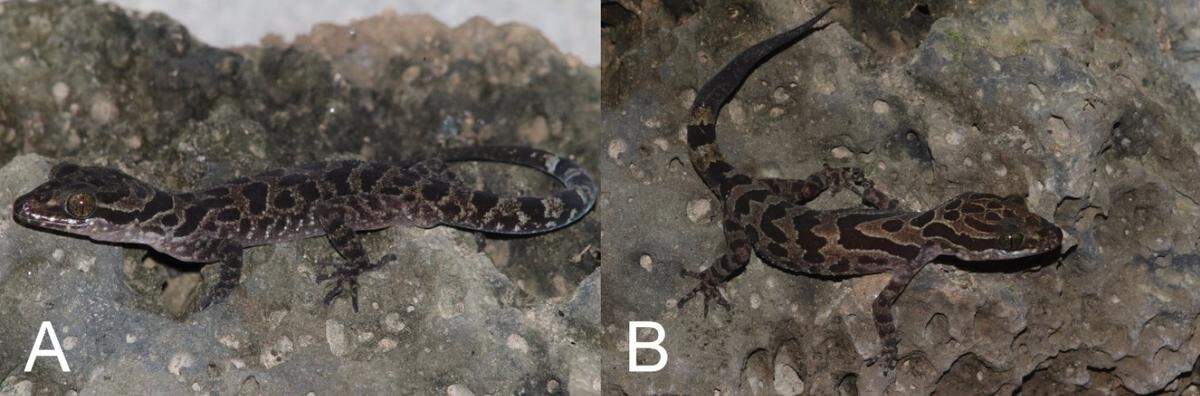
Ziegler’s bent-toed geckos, or Cyrtodactylus ziegleri, were first discovered in 2008 in a neighboring province of Vietnam. Photos show the roughly 3- to 4-inch-long geckos and their blotchy brown coloring.
The team’s survey was the first time Ziegler’s bent-toed geckos had been found in lava caves, the study said. The geckos were “observed on the ceilings and within rock crevices” within about 160 feet of the cave entrances.
”This finding represents an important step in documenting the herpetofauna (amphibians and reptiles) of Vietnam’s lava caves,” researchers said.
Based on DNA analysis, researchers suspect the geckos in the lava caves are undergoing “a gradual adaptation to the cave environment.”
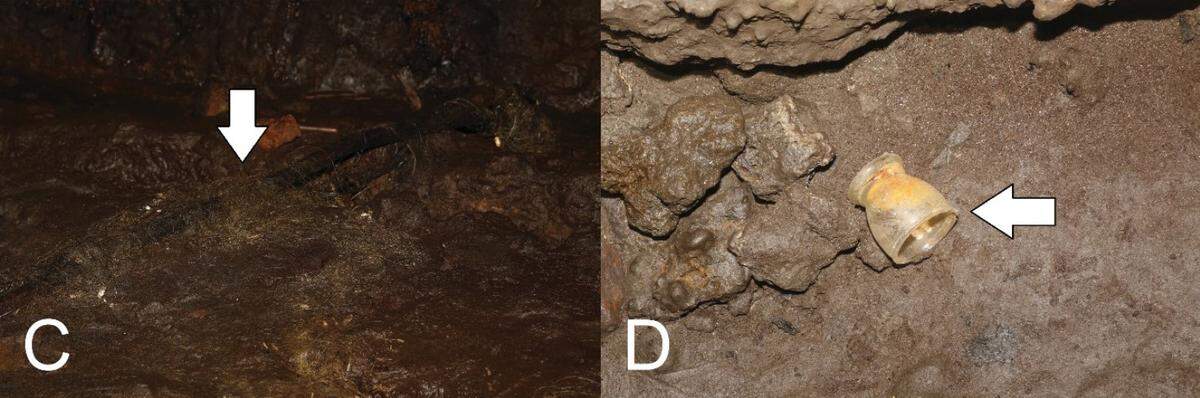
During their cave visits, the team also “identified several primary threats to the cave habitat, including garbage, fire remnants, tourism, and poaching … Understanding these threats is crucial for the conservation of these unique ecosystems.”
Dak Nong UNESCO Global Geopark covers a massive area in Dak Nong Province, Vietnam, and is the “biggest volcanic cave system in Southeast Asia,” according to UNESCO officials.
Dak Nong Province is in southern Vietnam and along the border with Cambodia.
The research team included Vu Dang Hoang Nguyen, Thinh Gia Tran, Truong Minh Nhat Nguyen, Huy Duc Hoang and Thao Thi Phuong Nguyen.