Dolphin found decapitated on New Zealand beach. Culprit of ‘grisly act’ sought
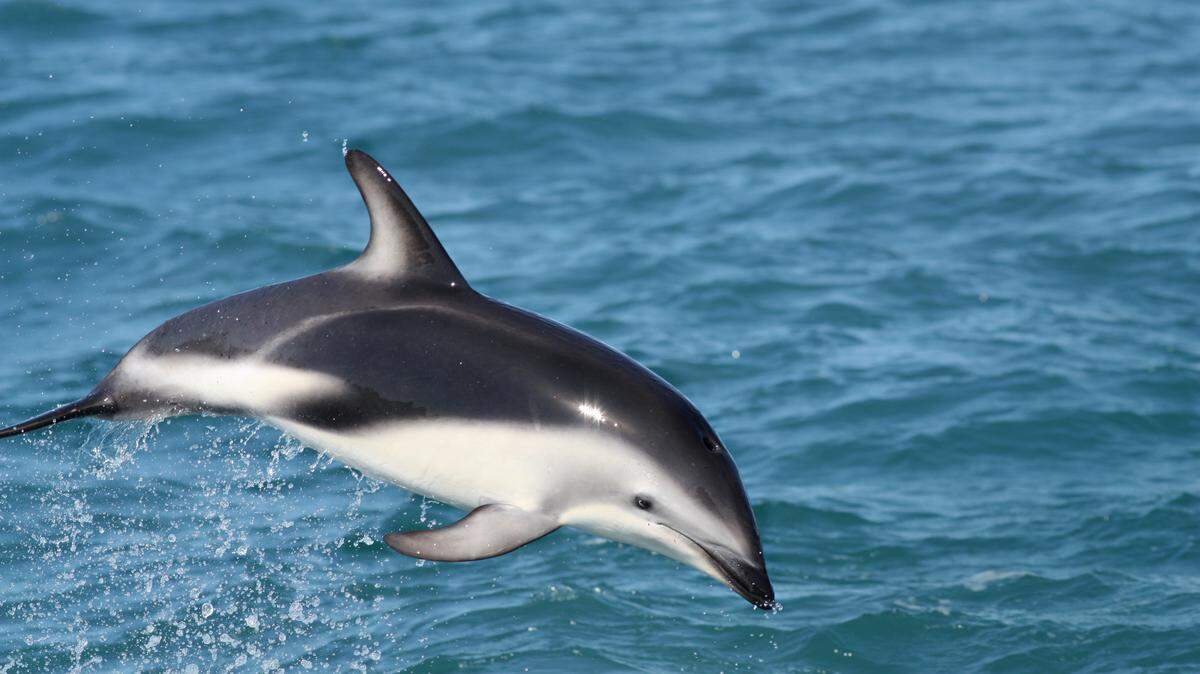
Wildlife officials have put out a call to the public after the body of a dusky dolphin was found decapitated on a New Zealand beach.
The dead dolphin was reported on a beach north of Kaikōura by a member of the public on Aug. 24, Marine Reserves Ranger Zac Penman said in a Sept. 11 news release from the Department of Conservation.
“It appears to be a dusky dolphin thought to have washed up naturally before someone took its head,” Penman said. “We want to find out what happened and are appealing for anyone who knows about this to contact DOC and share the information they have.”
While the animal likely died naturally, it is still illegal to remove parts of a protected marine mammal without a permit, according to the release.
Officials said “the grisly act is completely unacceptable.”
It’s not the only time marine mammals have been found without their heads this season, officials said. Two fur seals were found decapitated on Muriwai Beach in early June.
“Without a permit it’s an offence to take and be in possession of any part of a marine mammal. The exception to this is if part of a marine mammal (such as a jawbone) has separated naturally from its body,” Penman said. “If that occurs, the finder must notify DOC of the time, place and circumstances under which the find was made.”
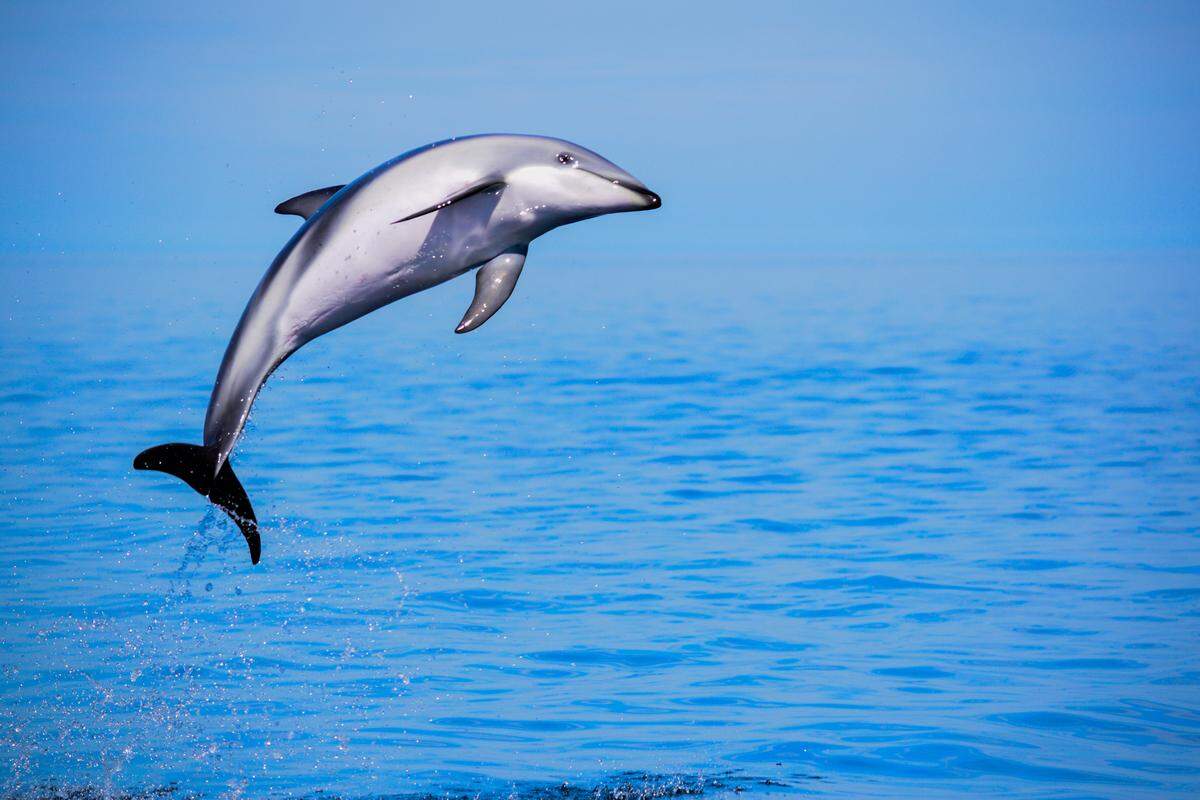
Dusky dolphins are about 6 feet long with very little beak, a blunt dorsal fin and a bluish-black color on the back and tail with a white belly, wildlife officials say.
They are found throughout the Southern Hemisphere in isolated populations around South America, southwestern Africa and New Zealand’s southern waters.
There are estimated to be between 12,000 and 20,000 individuals around New Zealand as of 2004, according to officials.
“When people or organizations don’t follow the rules, it threatens our special places and native wildlife. DOC takes these responsibilities very seriously and has a range of enforcement tools to hold rule-breakers to account,” according to the release. “However, DOC can’t be everywhere, so public eyes and ears make a real difference. DOC staff continually urge the public to help protect nature by reporting unlawful activity through 0800 DOC HOT.”
Kaikōura is on the northeastern coast of New Zealand’s south island.