
Ancient Viking game piece hidden in museum for centuries — until now. See it
After ancient artifacts are discovered, where do they go?
Aside from a minority of pieces sitting in personal collections or artifacts being studied in the lab, many items make their way from a buried hoard or an ancient graveyard to a museum where they are catalogued and preserved.
Museum collections can become so vast and encompassing that eventually, the most interesting treasures are buried within their halls and boxes.
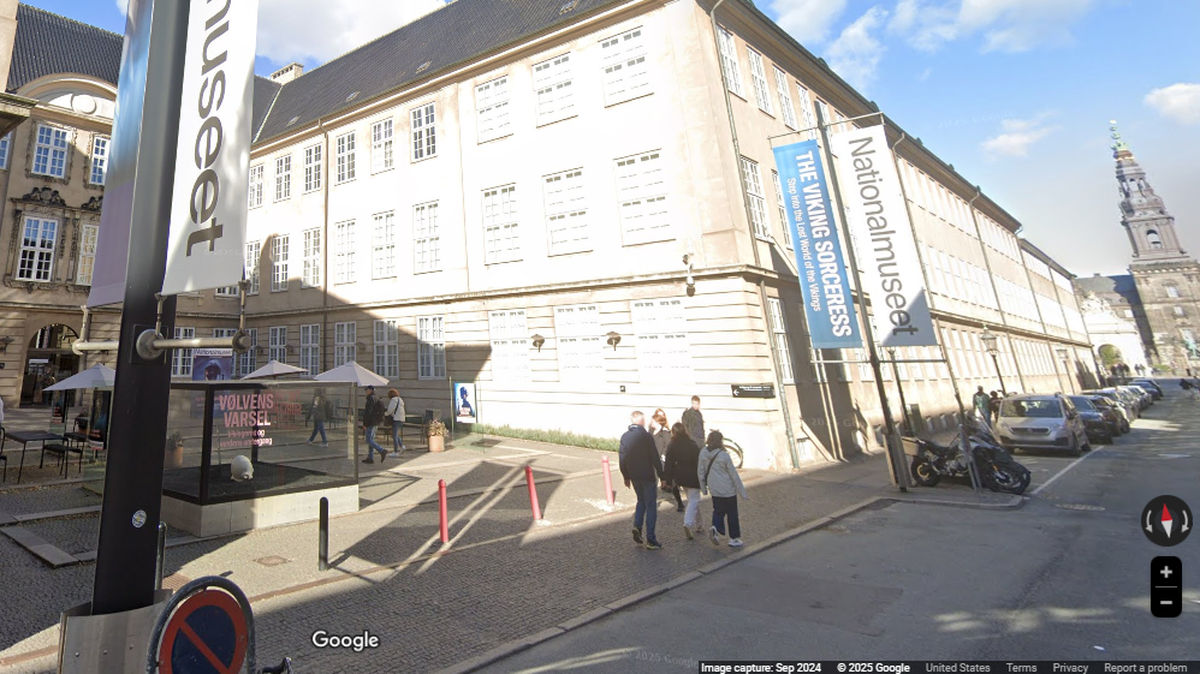
This was the case for a small ivory figurine first discovered in 1797 and now sitting in the National Museum of Denmark, according to an Aug. 27 news release from the museum.
The figure, depicting a man’s head, was found in an equestrian burial that researchers at the time believed belonged to a Viking warrior, dating back to the end of the 10th century, according to the release.
The piece was found along with “six bone buttons, a bone die and whetstone, all deposited in a steatite bowl,” according to a study published Aug. 11 by museum researcher Peter Pentz in the peer-reviewed journal Medieval Archaeology.
Weapons like a spearhead and a piece of a double-edged sword were also found, according to the study.
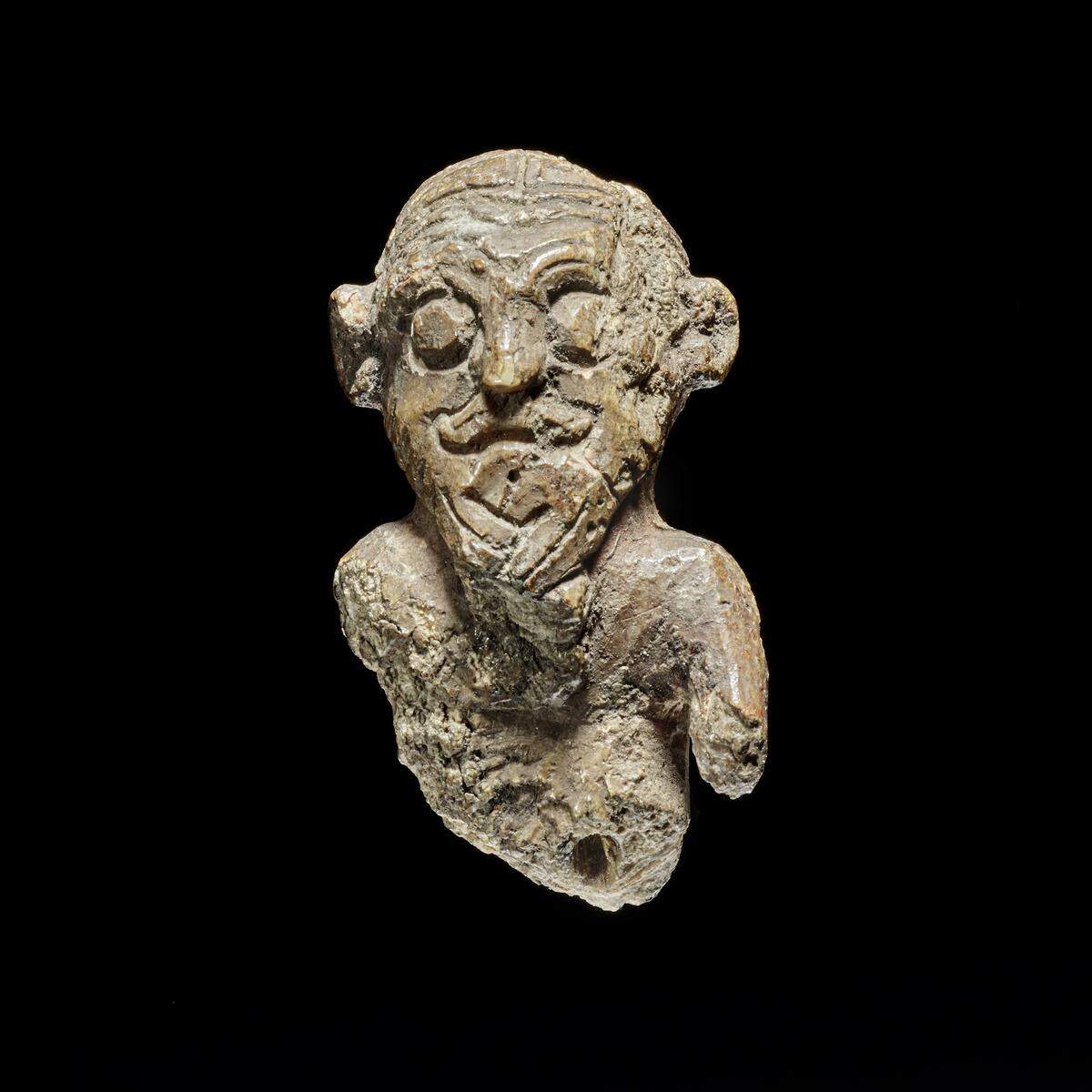
“The gaming piece is made of walrus ivory, which was one of the costliest materials in the Viking Age, and it was part of what may popularly be called Viking-Age chess, known as Hnefatafl,” the museum said. “The item represents the most important piece of that game, namely the king.”
Pentz came across the piece in a storage room a few years ago, he said in the release, and was “really surprised.”
“He just sat there, looking directly at me, and I had never before seen such a Viking, not in the many years I’ve been at the museum,” Pentz said.
The piece sat in the National Museum collecting dust for more than 200 years and was even given one of the earliest item numbers in the museum catalogue — 589 out of now more than 2 million artifacts, according to the release.
The chess piece is now helping Pentz learn more about the hairstyles of the ancient Vikings since it is “as close as we get to a portrait of a Viking,” the museum said.
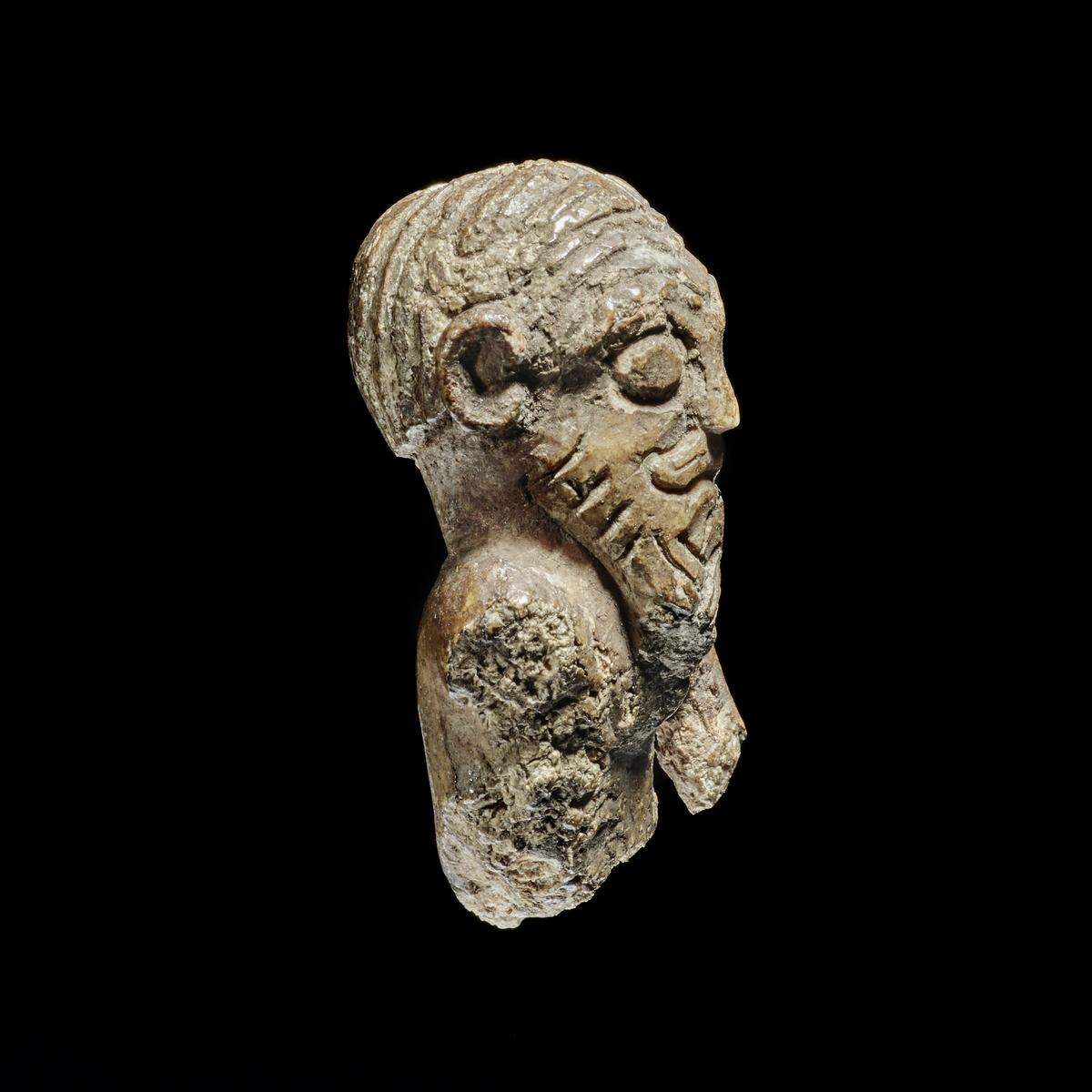
The piece shows the king with hair parted down the middle and with a long goatee, photos show. Only the head and torso of the man are depicted, but the hair is described as “unusual” and “ornate,” according to the release.
Vikings rarely used human motifs, choosing instead to stick to animal imagery in their artwork, the museum said. The game piece is “remarkable” therefore for not only showing a person, but an expressive person with identifiable characteristics.
“Hitherto, we haven’t had any detailed knowledge about Viking hairstyles, but here, we get all the details — even the little curl above the ear is marked. This is the first time we see a figure of a male Viking with his hair visible from all angles. It’s unique,” Pentz said.
The piece dates to the time of Harald Bluetooth, or Harald I, who is credited with the unification of Denmark during his rule from around the years 958 to 985, according to Britannica.
Viking chess, or Hnefatafl, is played by placing pieces in the center of a grid game board and other pieces along the sides, compared to modern-day chess where pieces are placed at the end of the board facing one another. The king is placed in the center of the board and the pieces surrounding him are used as protection. The game is won when the king captures a corner space.
The National Museum of Denmark is in Copenhagen.
