
Melting ice reveals ancient artifacts, WWI soldier and three other recent finds
The summaries below were drafted with the help of AI tools and edited by journalists in our News division. All linked stories were reported, written and edited by McClatchy journalists.
Throughout history, cultures have left behind a trail of breadcrumbs for archaeologists to follow. New sites and artifacts are found all the time, revealing forgotten secrets of the past.
Here are some of the latest discoveries:
Ancient ‘fairy houses’ — still filled with treasures — found in Italy. See them
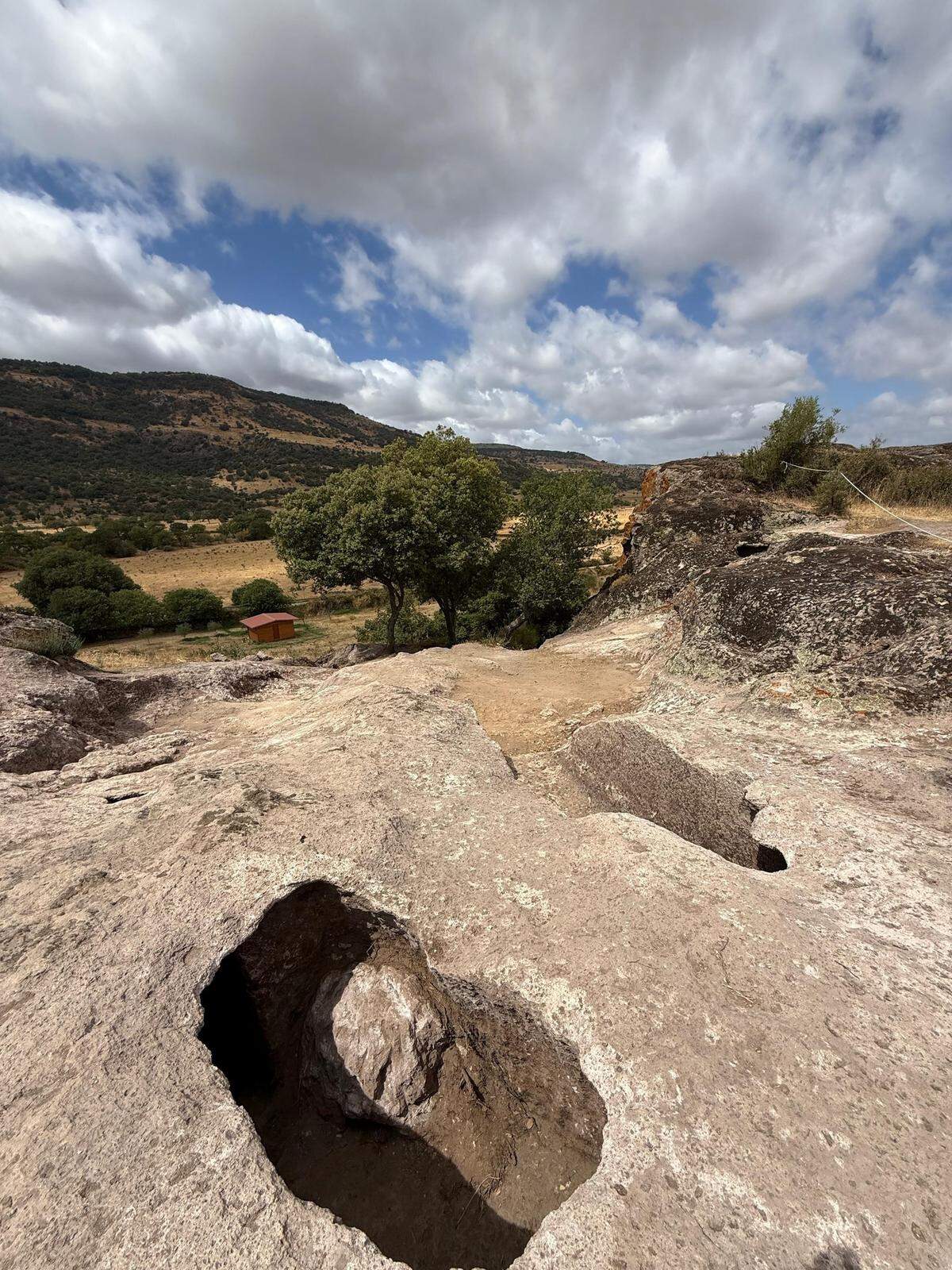
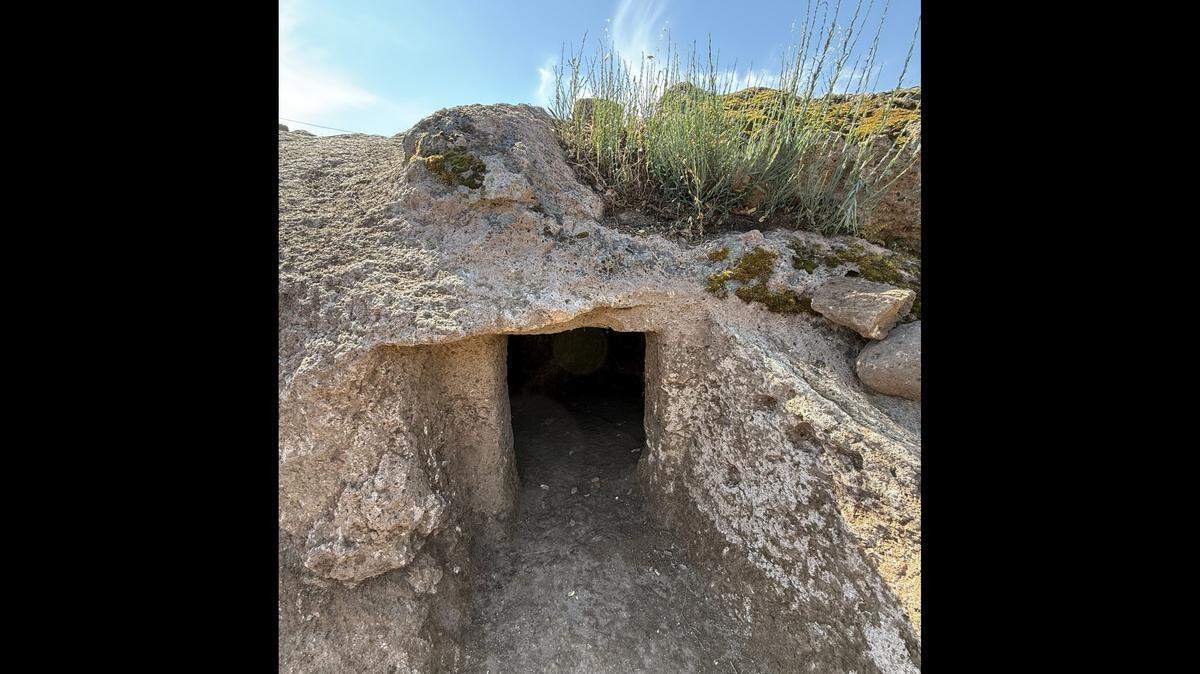
In Sardinia, Italy, archaeologists uncovered three ancient “fairy houses,” known as domus de janas, which are small “rock-cut tombs.” These structures, dating back over 5,000 years, were found at the Necropolis of Saint Andrea Priu and contained artifacts like pottery and Roman-era items. The tombs, named Tomb XVIII, XIX and XX, feature complex layouts with chambers and symbolic decorations. Officials shared photos of these artifacts, and the site is now accessible to visitors. | Published Aug. 5 | Read More |
Florida student finds 1,100-year-old gold artifact during dig in UK. ‘Amazing’

In Northumberland, England, a Florida student discovered a rare 1,100-year-old gold artifact during her first excavation. The decorative item, possibly used for religious or ceremonial purposes, was found by a team from Newcastle University. The find was similar to another gold artifact discovered by a metal detectorist in 2021, suggesting a connection between the two. The artifact will be analyzed further and may be displayed in the Great North Museum: Hancock. | Published Aug. 12 | Read More |
Melting ice reveals fragments of ‘extraordinary’ Viking cargo net in Norway
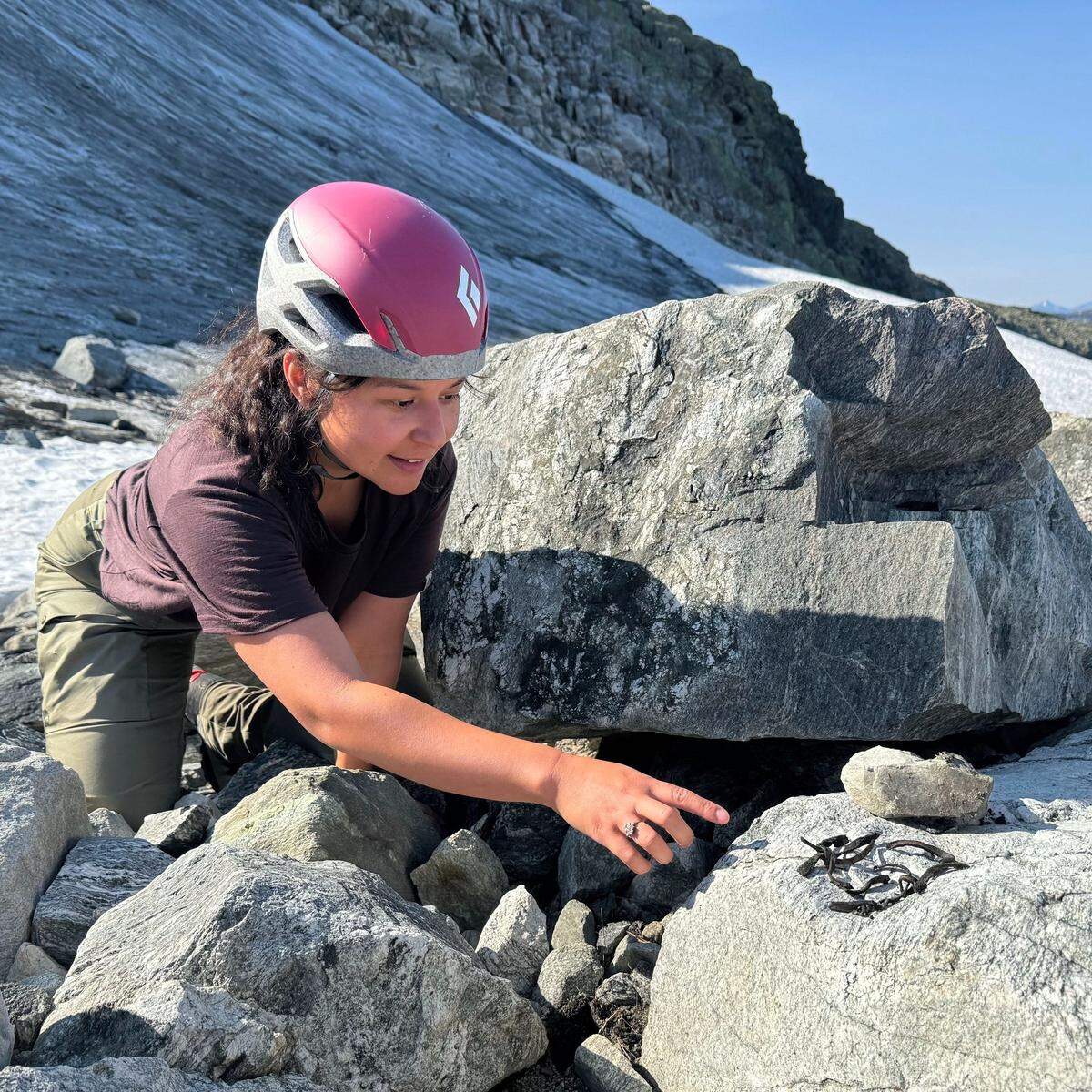
In Norway’s Jotunheimen National Park, archaeologists discovered fragments of a Viking cargo net, “the only known Viking Age packhorse net.” The leather fragments were found as glaciers melted, revealing these well-preserved artifacts. The net, used to transport goods on packhorses, was originally discovered in 2011, and the new fragments help reconstruct this unique artifact. Archaeologists are excited as the history unfolds with each new find. | Published Aug. 19 | Read More |
Victors of 6,000-year-old battle celebrated by cutting off arms of the invaders
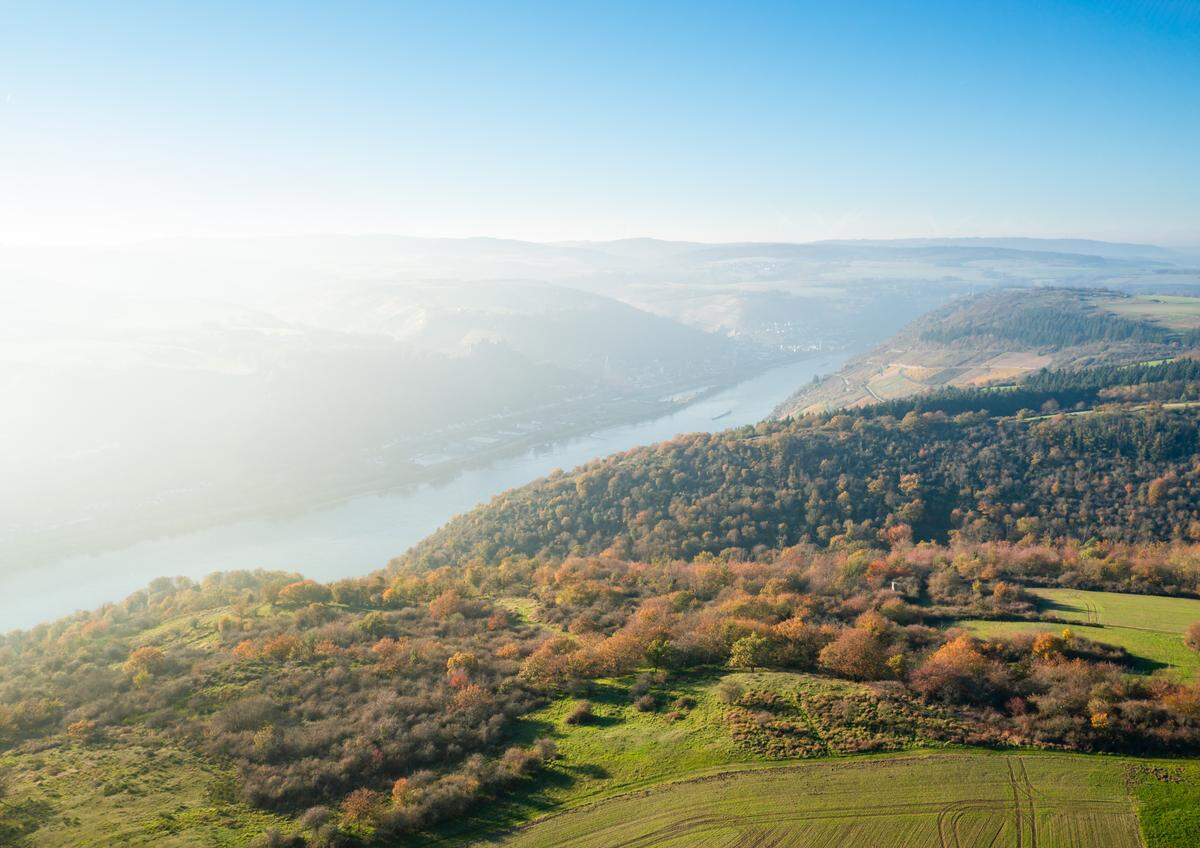
In northeastern France, researchers analyzed remains from a 6,000-year-old battle, revealing that victors celebrated by mutilating their enemies. The study found that invaders’ arms were severed and used as trophies, indicating a gruesome victory ritual. The disarticulated remains showed evidence of “overkill” and “unhealed trauma,” suggesting a violent end for the invaders. Researchers believe the trophies may have been offerings to deities after the battle. | Published Aug. 21 | Read More |
Body of WWI soldier discovered in Italian Alps when glacier melts, officials say
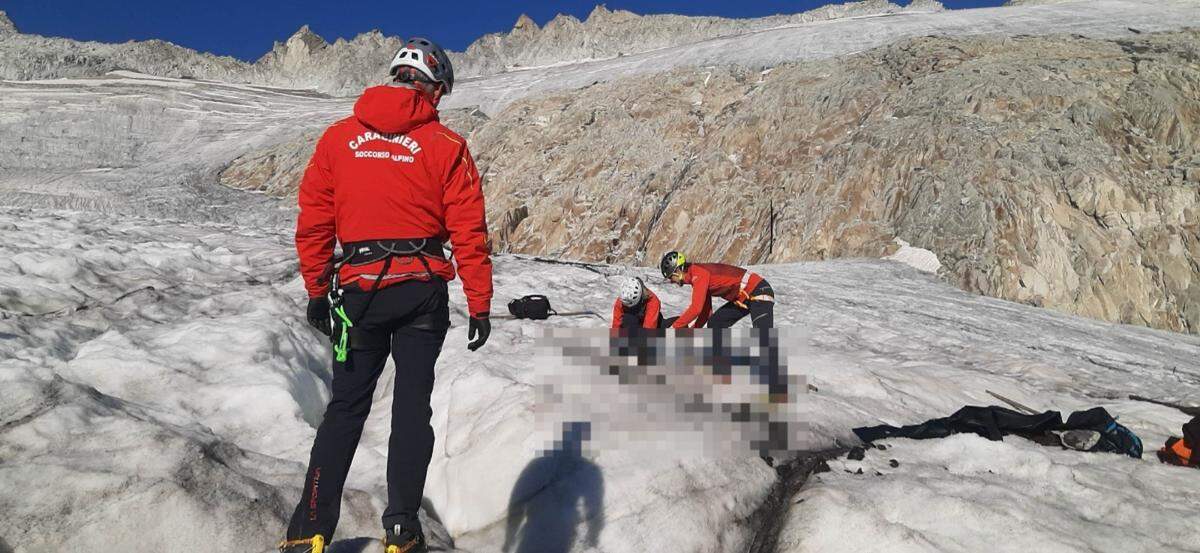
In the Italian Alps, the remains of a World War I Austro-Hungarian soldier were uncovered as a glacier melted. The soldier’s uniform and equipment were well-preserved, providing a glimpse into the harsh conditions of the White War. The remains were analyzed by the Superintendence for Cultural Heritage of the Autonomous Province of Trento, and officials hope to identify the soldier. This discovery is part of a series of similar finds as glaciers retreat. | Published Aug. 26 | Read More |