Venomous ‘snake liquor’ sold at market is first record of species in North Korea
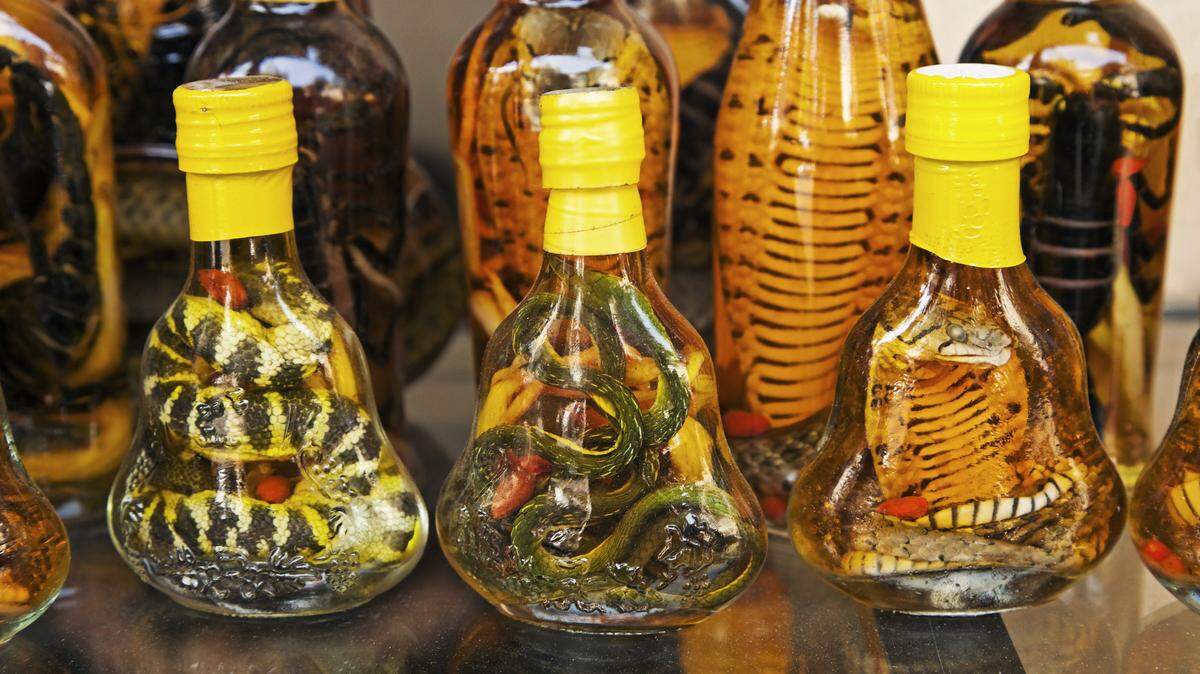
In hopes of learning more about snake diversity in North Korea, scientists bought several jars of “snake liquor” from a market in its capital city and identified the venomous snakes inside the jars.
The project resulted in three first-of-their-kind records and the “most comprehensive overview” of the country’s pit vipers to date.
Researchers visited “a local food market in Pyeongyang” in 2019 and purchased four bottles of a traditional drink known as “snake liquor,” or snake wine, according to a study published Aug. 19 in the peer-reviewed journal ZooKeys.
Snake wine is an alcoholic beverage made by placing a cleaned and gutted venomous snake in a container of rice wine or other “high-proof liquor,” then allowing the mixture to ferment, according to the South China Morning Post. Consumed in China, “Korea, Japan and Vietnam,” snake wine is believed to offer medicinal benefits.
Instead of consuming the snake wine from Pyeongyang, researchers removed the bottled snakes and analyzed them, the study said. Because the snakes were “discolored, distorted, and degraded,” the team relied on a combination of physical features and DNA analysis to identify the specimens.
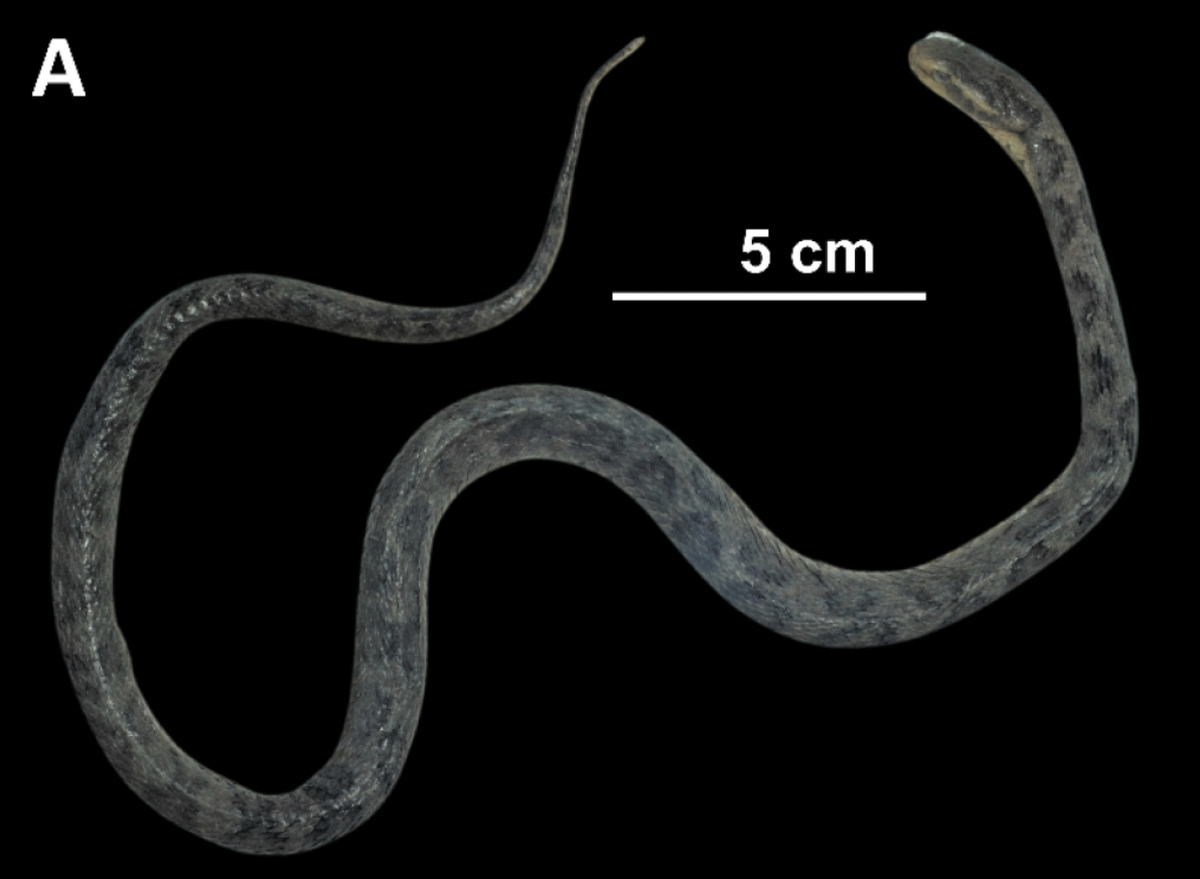
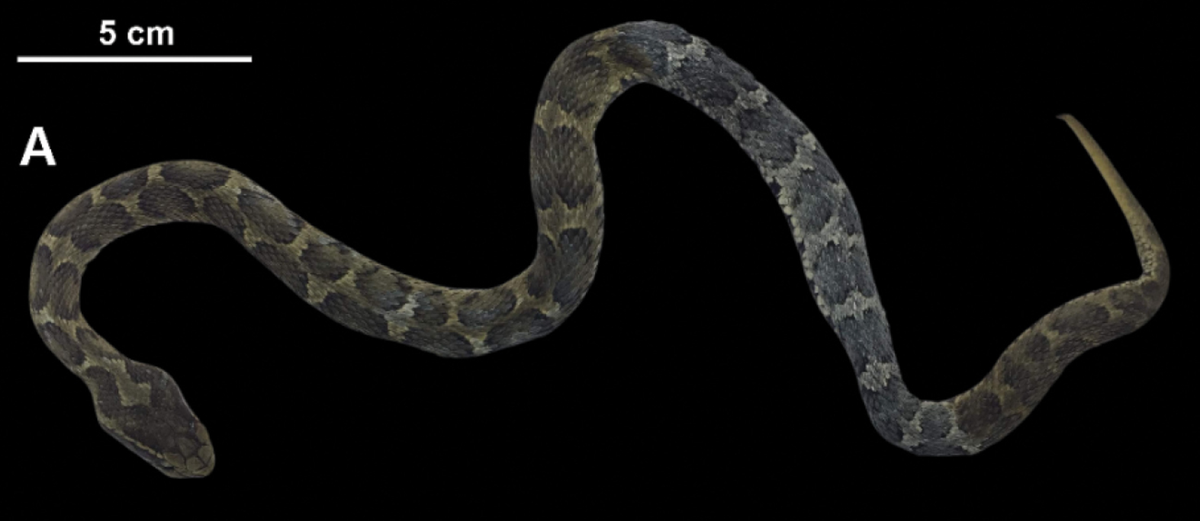
All four snake liquors contained venomous pit vipers measuring between roughly 18 and 24 inches long, researchers said.
Two of the snakes were identified as Ussuri mamushi, or Gloydius ussuriensis, the study said. Another was identified as a short-tailed mamushi, or Gloydius brevicauda; and the last snake was identified as a Central Asian pit viper, or Gloydius intermedius.
In general, “the Democratic People’s Republic of Korea (DPR Korea hereafter) is among the least explored nations for biodiversity” because it is “largely inaccessible to field surveys,” the study said. As a result, no Gloydius pit viper species had previously been confirmed from North Korea.
Experts long assumed that North Korea’s snake diversity would be “similar to that of surrounding regions” and expected to find Ussuri mamushis, short-tailed mamushis and Central Asian pit vipers in the country, researchers said.
The snakes bought in Pyeongyang are the first confirmed records of these species for North Korea, the study said.
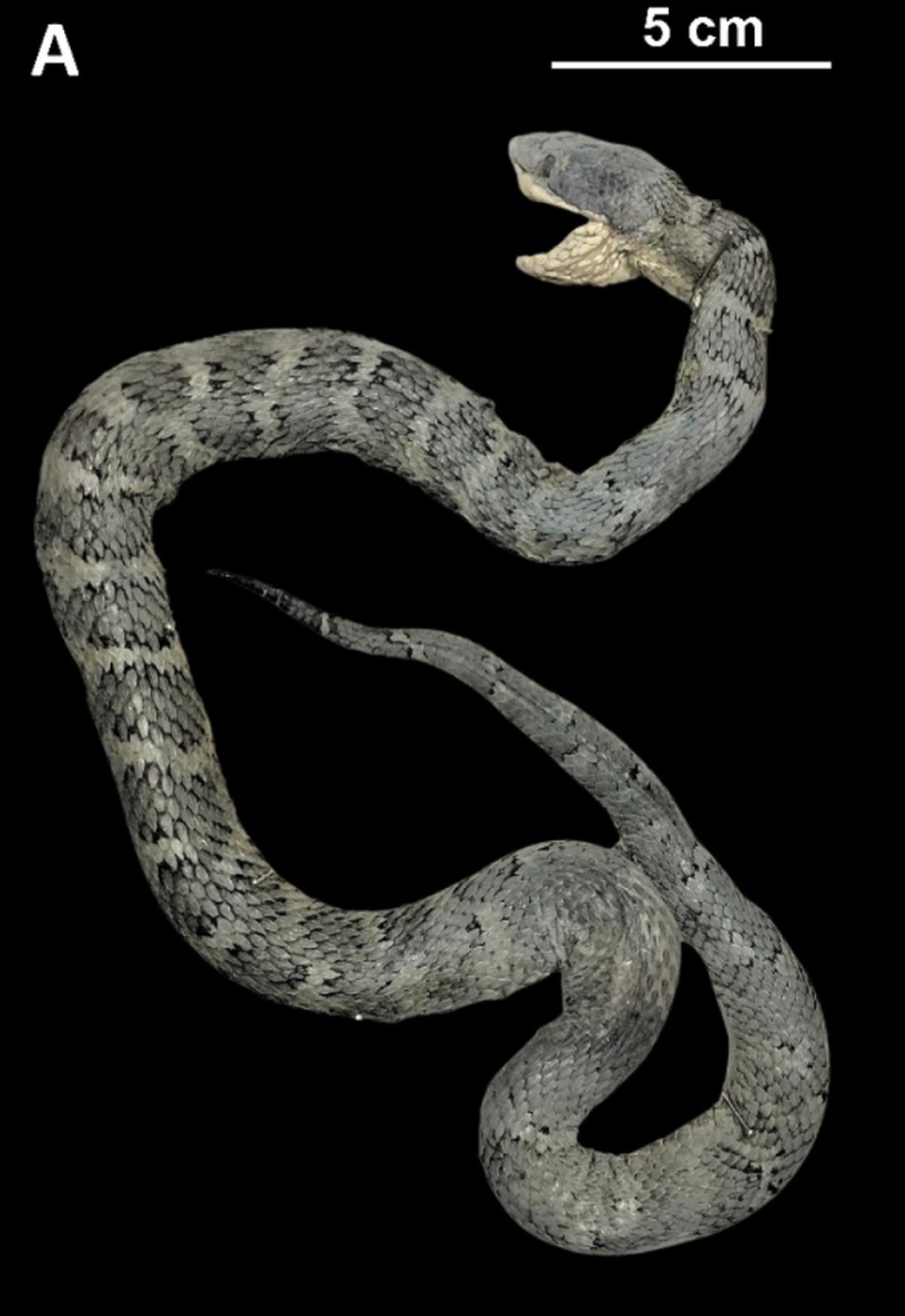
Photos show the pit vipers from North Korea. Their exact collection locations are unknown, but researchers were “confident that the snakes examined in this study were collected within DPR Korea” due to its lack of commercial snake imports.
The team’s analysis of four pit vipers from Pyeongyang provides “the most comprehensive overview of this genus for this nation to date.”
“Basic knowledge of species distribution and diversity is crucial for broader studies of ecology, evolutionary biology, and conservation,” researchers said.
The research team included Yucheol Shin, Siti Othman, Dallin Kohler, Irina Maslova, Kevin Messenger and Amaël Borzée.