Decommissioned oil rig off Peru coast teems with life. See the artificial reef
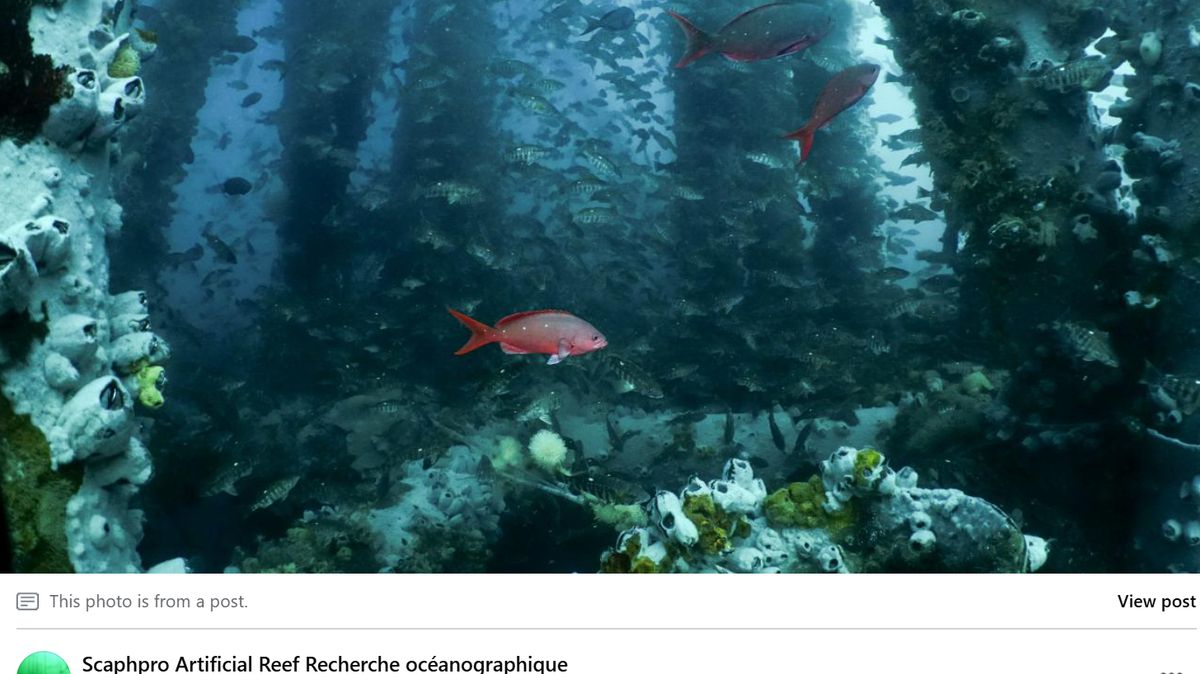
Off the coast Peru, at the junction of the cold nutrient-rich Humboldt Current and the warm Equatorial Counter Current, a decommissioned oil drilling platform stands quiet and idle. Beneath the surface, however, the rig is teeming with life, according to a study published Aug. 4 in the journal Scielo Brazil.
The MX-1 platform, previously owned by Petroperú, was built about 2 miles offshore from Los Órganos and was decommissioned in 2011, according to an Aug. 7, 2023, news release from Savia Peru.
According to Peru law, discontinued rigs at sea must be removed entirely to restore the marine environment to its original state.
Over the last decade, however, MX-1 became an artificial reef and local biodiversity hotspot, according to the study.
Sections of the oil rig beneath the surface of the water, including “crossbeams, vertical pilings, and cryptic habitats such as crevasses enhance habitat complexity, potentially leading to high diversity and abundance in reef fish populations,” the study said.
Decommissioned rigs from around the world have been documented to support critically endangered species and foster flourishing ecosystems, researchers said.
MX-1 became a refuge and point of intersection for dozens of species from various zones of the ocean, and its total removal would have done more harm than good, according to conservation experts.
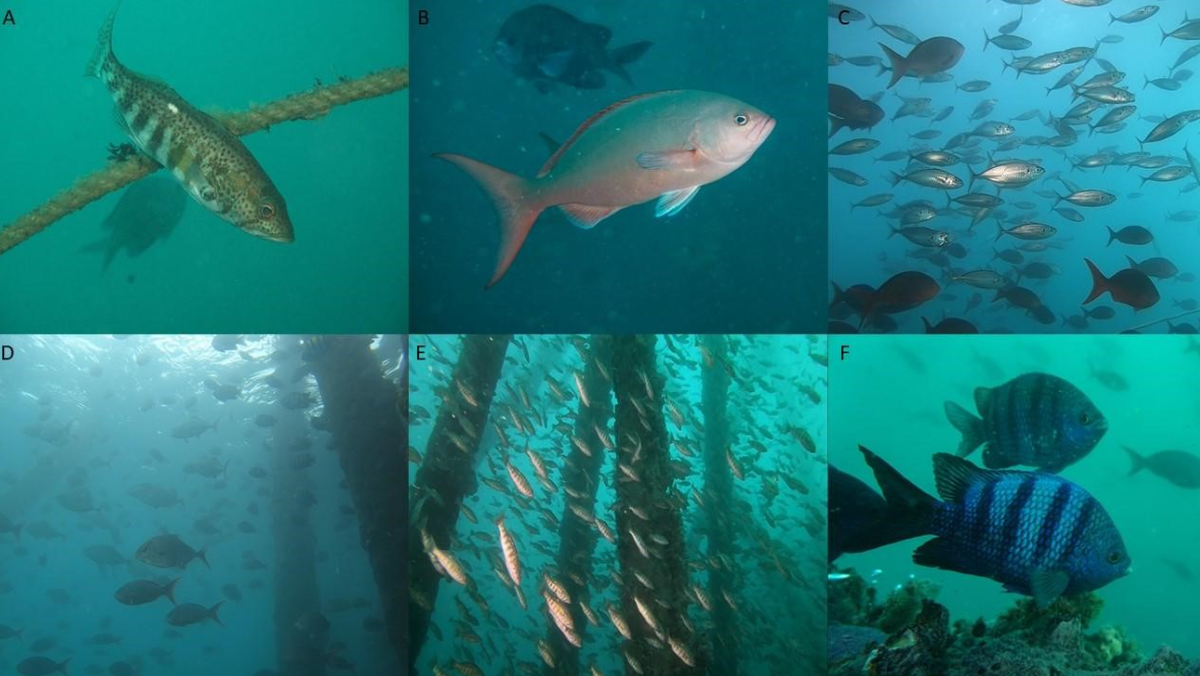
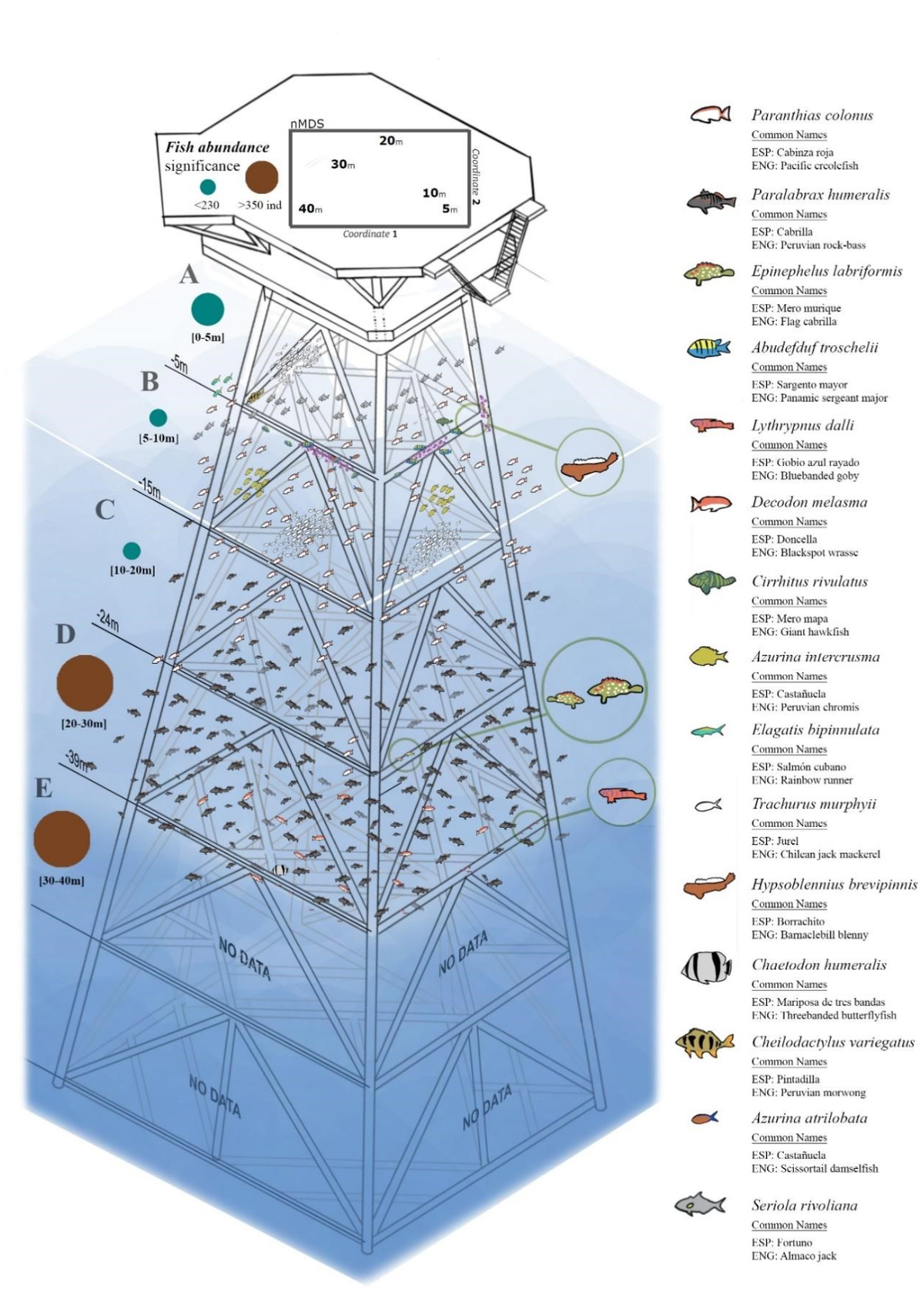
Over the course of six open-circuit SCUBA dives carried out over six days in October 2023, researchers documented just under 8,000 fish representing 27 species living at MX-1, according to the study.
Researchers recorded 19 species living around the rig in shallower waters of up to 16 feet, while a higher volume of fish were found between depths of 65 and 130 feet, according to the study.
While Peru’s Ministry of Mines and Energy ordered the complete removal of MX-1 by Nov. 15, 2023, conservation concerns delayed the process.
In March 2025, the Superior Court of Justice of Lima “issued a belated appeal for protection recognising the role of MX-1 as an artificial reef to be considered as an area special protection,” and “rendering the decommissioning plan null and void,” according to the study.
The ruling did not prevent the top 65 feet of MX-1 from being removed, however, including the section with the highest documented species richness. Researchers said this has likely impacted the complex foodweb that established itself within the artificial reef. “As a result, the fish community surrounding the remaining structure may shift toward dominance by carnivorous species associated with deeper layers,” researchers said.
The MX-1 rig is located next to the Reserva Nacional Mar Tropical de Grau — a marine reserve established in 2024.
Google Translate was used to translate the news release from Savia Peru.