
From top predators to wild creatures of legend: Celebrate International Cat Day
The summaries below were drafted with the help of AI tools and edited by journalists in our News division. All linked stories were reported, written and edited by McClatchy journalists.
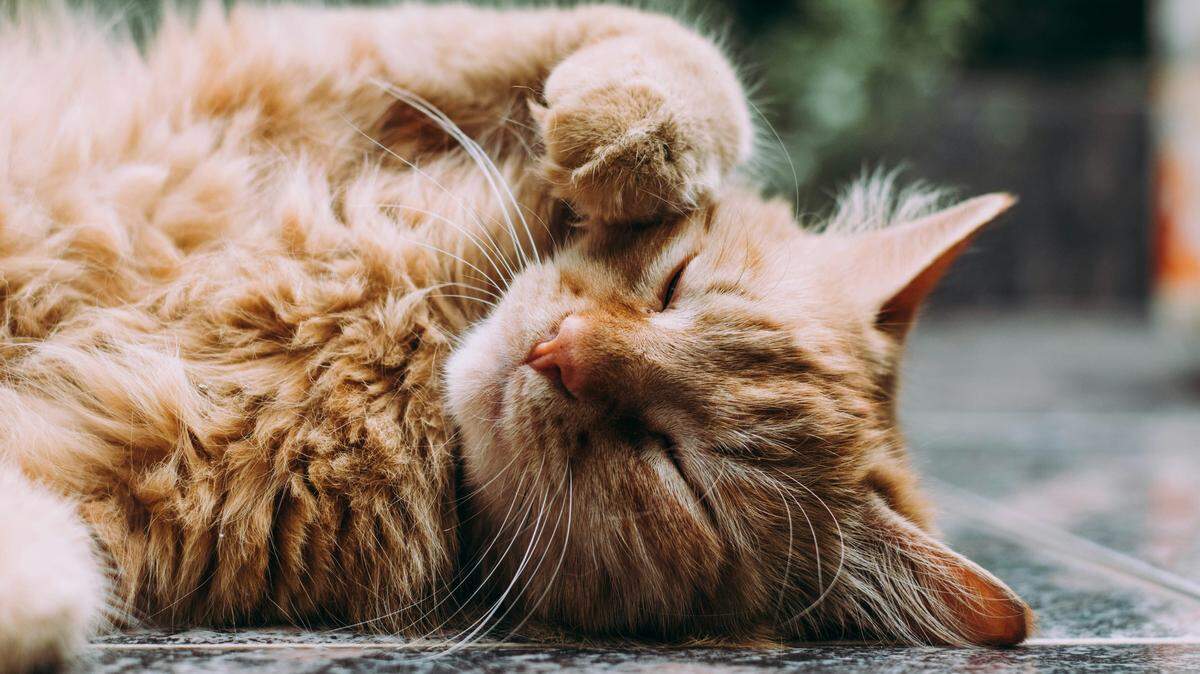
It’s International Cat Day, and while the holiday hopes to celebrate one of the world’s favorite pets, we can’t forget their wild cousins.
From forest creatures the size of a housecat to some of the planet’s fiercest predators, here is a look at some recent news from the world of felines.
Rare predator not seen in forest for years captured on trail camera in Thailand
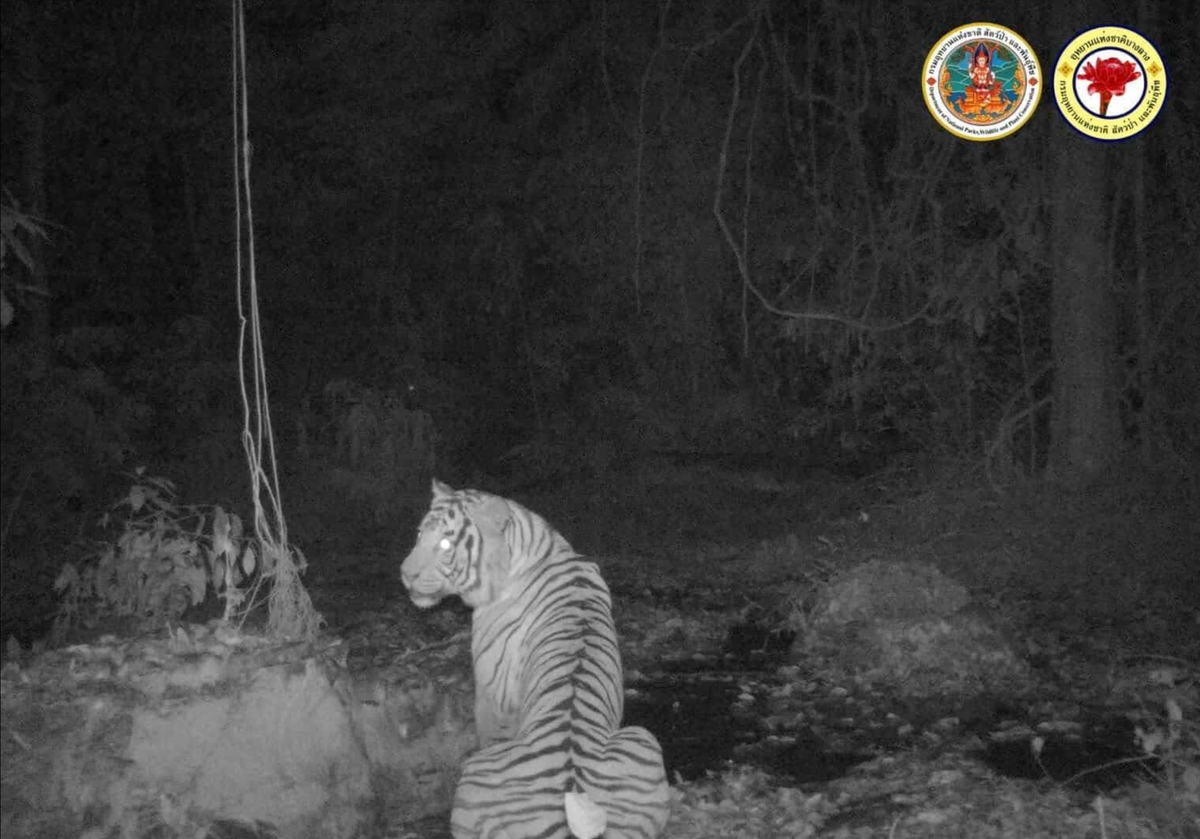
In the dense forests of Thailand’s Hala-Bala sanctuary, a rare and majestic Malayan tiger was captured on camera, marking a significant moment for conservationists. These solitary predators, known for their expansive territories, were spotted alongside other wildlife. With fewer than 150 Malayan tigers believed to exist in the wild, this sighting offers a glimmer of hope for the critically endangered species. | Published May 9 | Read More |
Elusive ‘marbled’ creature caught on trail cam in India for first time. See it
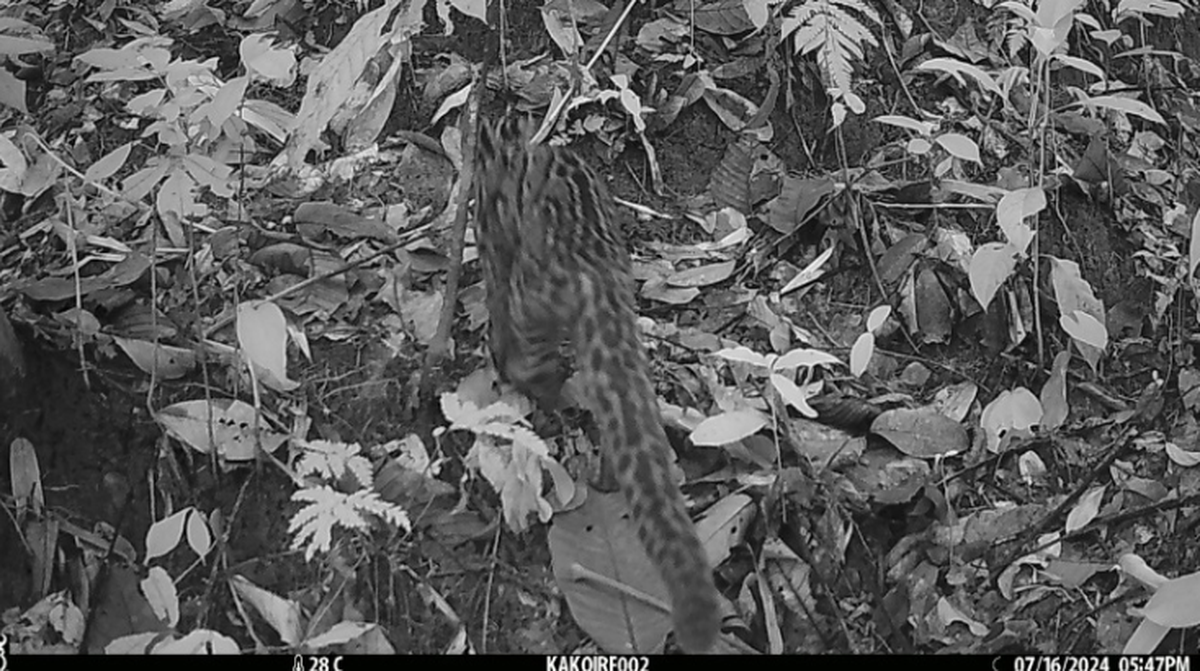
In the lush Kakoi Reserve Forest of India, the elusive marbled cat, known scientifically as Pardofelis marmorata, was photographed for the first time. This rare feline, with its striking marbled coat and long, fluffy tail, was captured by infrared cameras set up along animal trails. The sighting, near the forest’s edge and a perennial stream, highlights the importance of preserving these high-elevation habitats for such near-threatened species. | Published July 28 | Read More |
‘Golden’ creature of Thai mythology appears on trail camera at national park
In the sunlit trails of Thailand’s Khao Luang National Park, an Asian golden cat, or Catopuma temminckii, made a rare appearance on a trail camera. Revered in local folklore as the “fire tiger,” this medium-sized wild cat is known for its territorial and solitary nature. The sighting of this vulnerable species, with its distinctive tan coloring, underscores the need for continued conservation efforts in Southeast Asia. | Published July 29 | Read More |
Incredibly rare cub born at UK zoo — and the videos are adorable. Take a look
At Chester Zoo in England, a snow leopard cub was born to first-time parents Nubra and Yashin, bringing joy to zookeepers and hope for the species’ future. These “ghosts of the mountains,” known for their elusive nature and adaptation to the harsh Himalayan environment, face threats from poaching and climate change. The birth of this cub, part of an international breeding program, is a significant step toward ensuring the survival of these furry creatures. | Published July 31 | Read More |
Boaters spot at-risk predator with cub — the first at Argentina park in decades
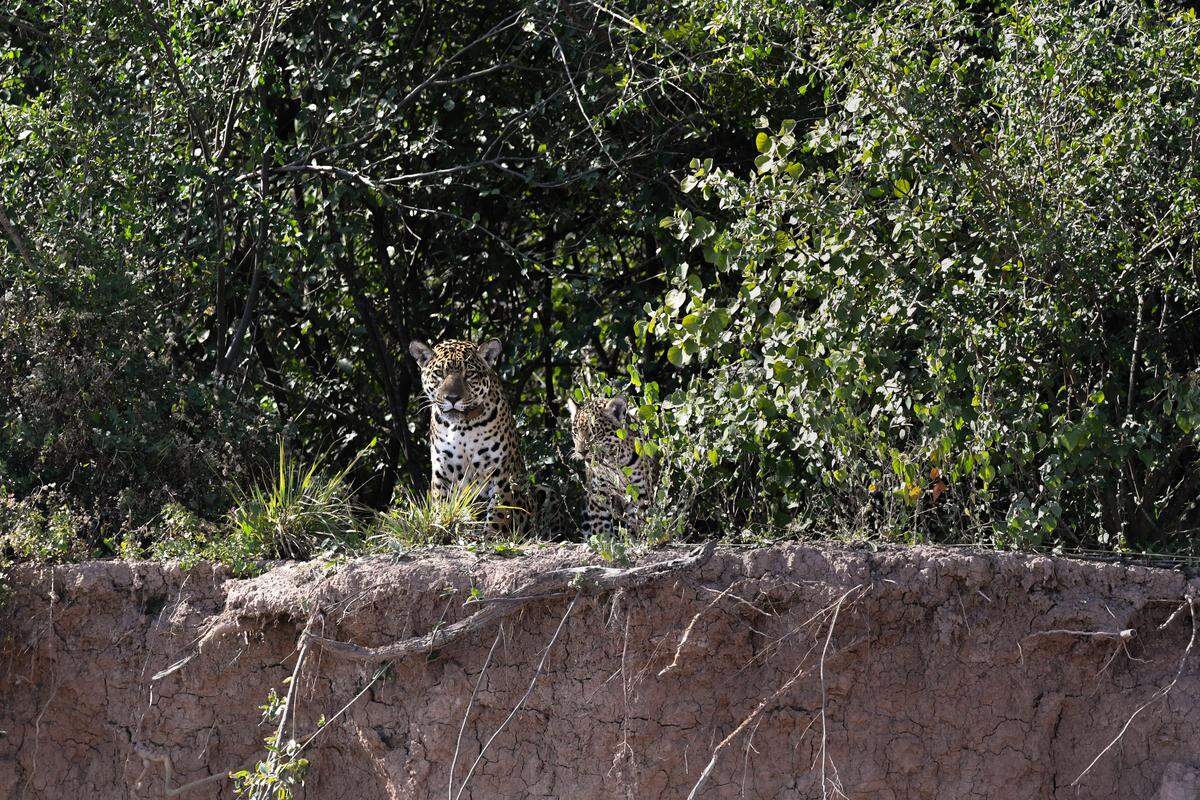
In Argentina’s El Impenetrable National Park, boaters were thrilled to spot a jaguar and her cub, marking the first sighting of such offspring in the area in decades. The mother, Nalá, was released into the park as part of a conservation effort to restore the jaguar population in the Gran Chaco region. This sighting is a promising sign that the efforts to reintroduce female jaguars and promote genetic diversity are beginning to bear fruit. | Published Aug. 6 | Read More |