Sports complex construction reveals 1,600-year-old burial site in Hungary. See it
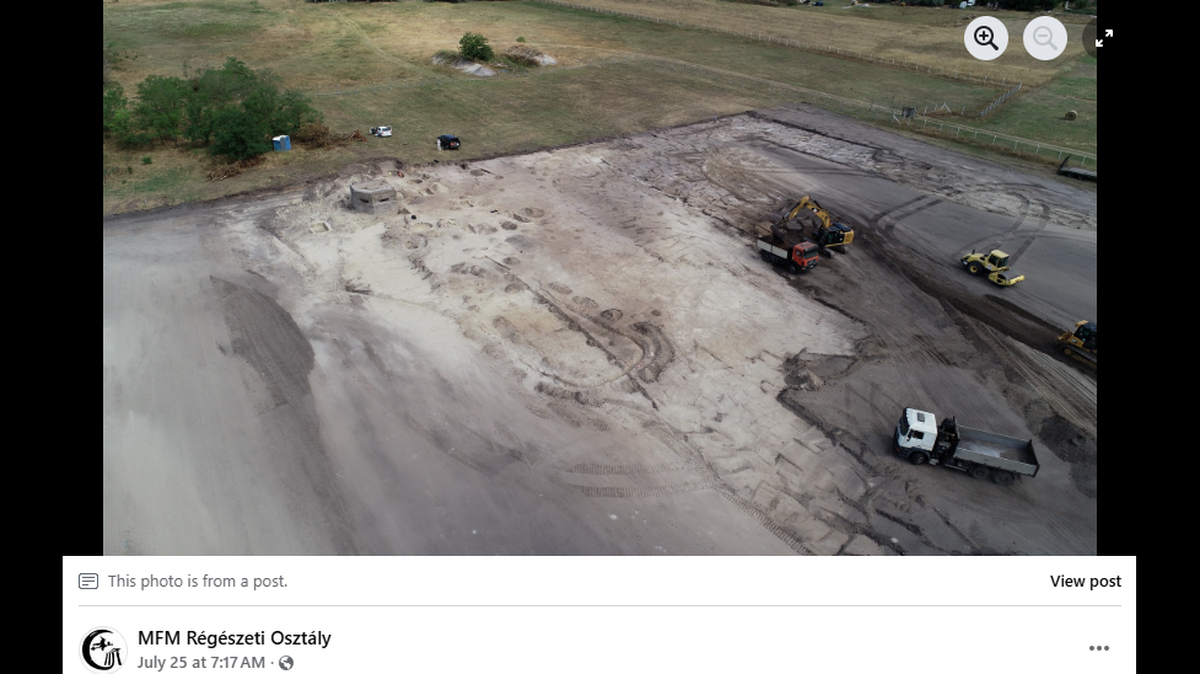
The site of a third century burial ground has been revealed, thanks to a modern sports complex construction project in Hungary, museum officials announced.
The construction is part of a larger project by the Szeged-Csanád Grosics Academy, and includes two new artificial turf soccer fields, according to a July 25 Facebook post from the Móra Ferenc Museum Archaeology Department.
When early earthworks began on the soccer fields, archaeologists uncovered graves, pits and ditches, according to the post.
The site was dated to the third century, likely used by the Sarmatian people, the museum said.
The Sarmatians were a group of nomadic people originally from the region of modern-day Iran before migrating to the Ural Mountains, according to Britannica.
The culture was skilled in horsemanship and warfare, Britannica says, and ultimately joined the Gothic invasion of western Europe during the third century.
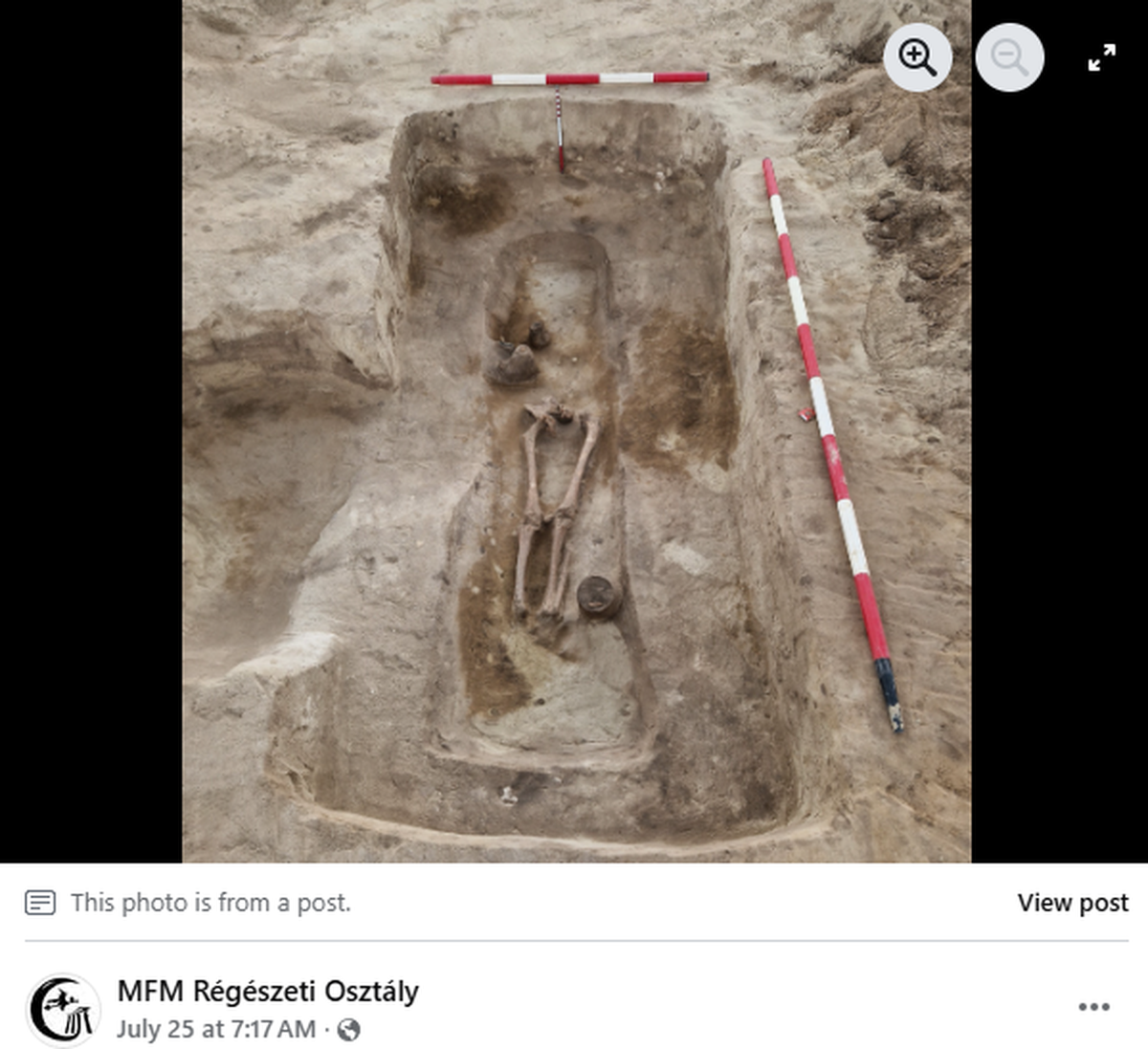
Archaeologists found that many of the graves had been disturbed and the bones moved, according to the post.
However, some remains were found placed in log coffins that were held together by metal clasps, the museum said.
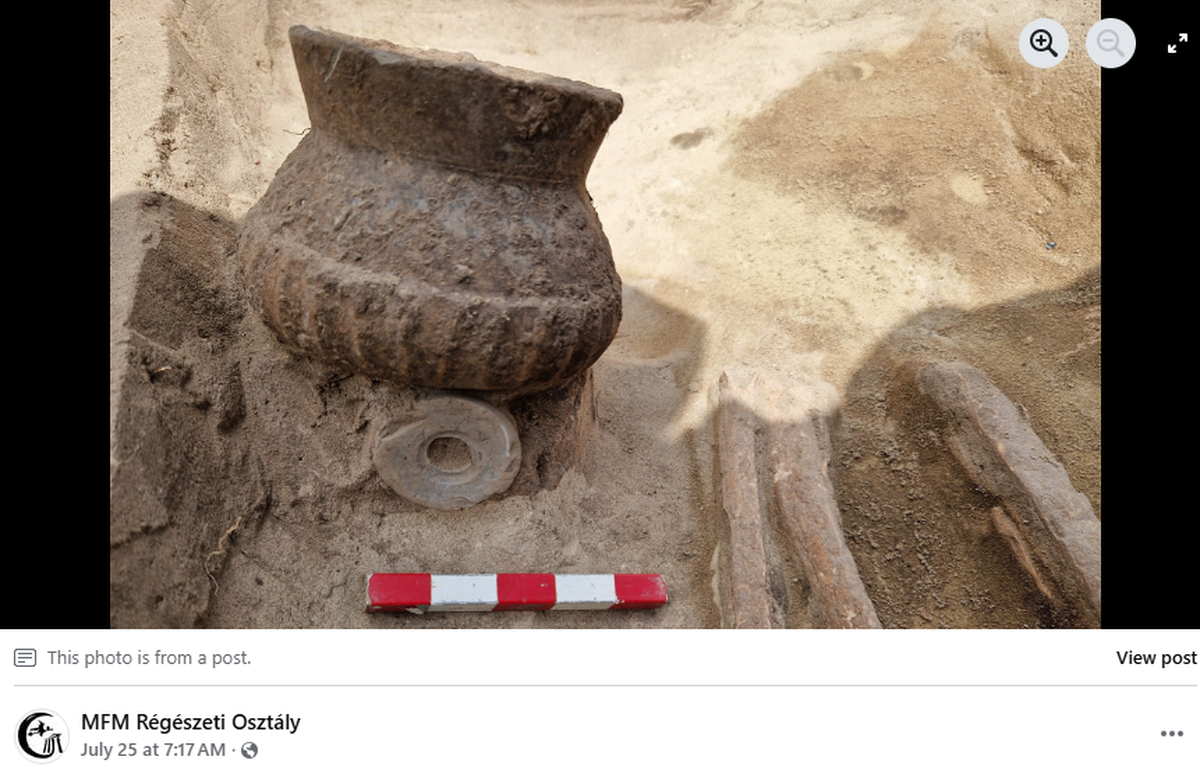
Other items — from ceramics to knives — were found in some of the graves, the museum said. Archaeologists also uncovered pieces of clothing in the graves with amber and glass beads and iron fibulae used to fasten garments.
Archaeologists didn’t just make an ancient discovery, the museum said.
As the land was cleared, a concrete bunker was also found. The bunker was part of the Southern Defense System, or the “Rákosi Line,” made of a series of bunkers along the Hungarian border, according to the museum.
A total of 21 bunkers were built in the early 1950s to defend Hungary in the case of a Yugoslav attack, the museum said. The line stretched a total of nearly 400 miles along Hungary’s southern border.
A video of the site was shared by Hungarian news outlet Lelépő.
The site was found in Mórahalom, Hungary, along the south-central border with Serbia.
Chat GPT, an AI chatbot, was used to translate the Facebook post from the Ferenc Móra Museum Archaeology Department.